
Home › North Carolina
Gardening by county
North Carolina Gardening by County
Frost dates, planting zones and planting calendars for all 100 North Carolina counties. The last spring frost ranges from Mar 8 (Beaufort County) to May 7 (Ashe County), and USDA zones run from 6b to 9a.
Photo: Autumn mountains under blue sky from a Blue Ridge overlook, Haywood County. msprague, CC BY-SA 2.0, via Flickr
North Carolina garden tools
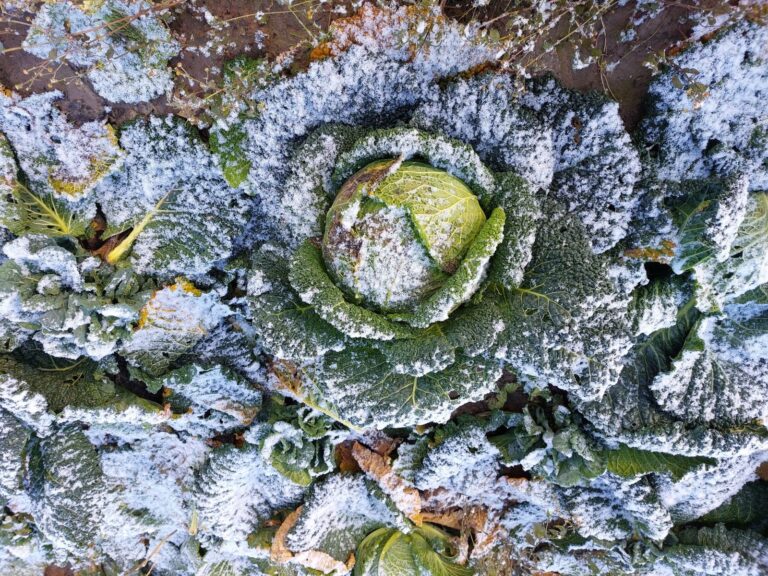
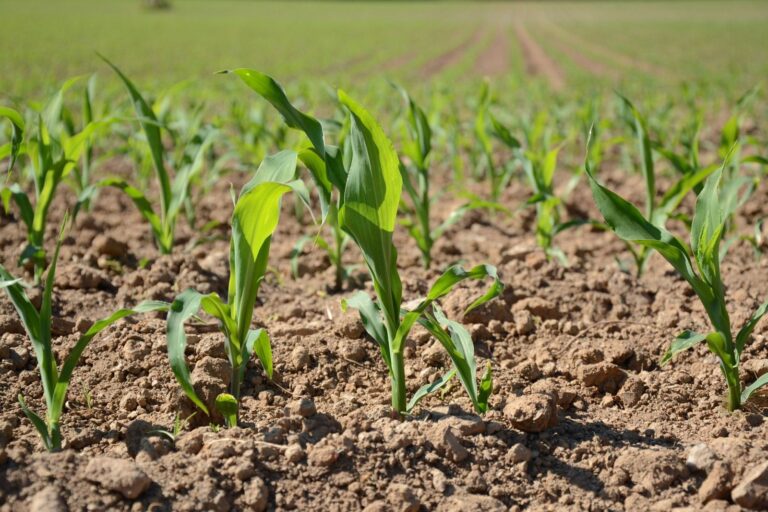
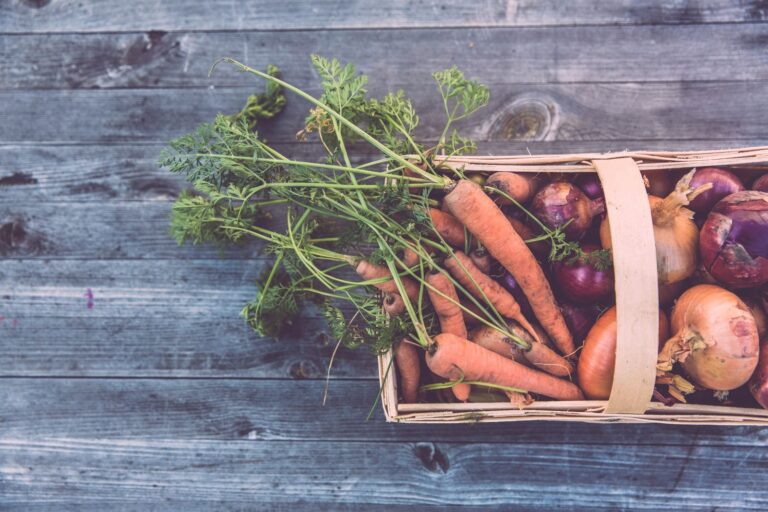
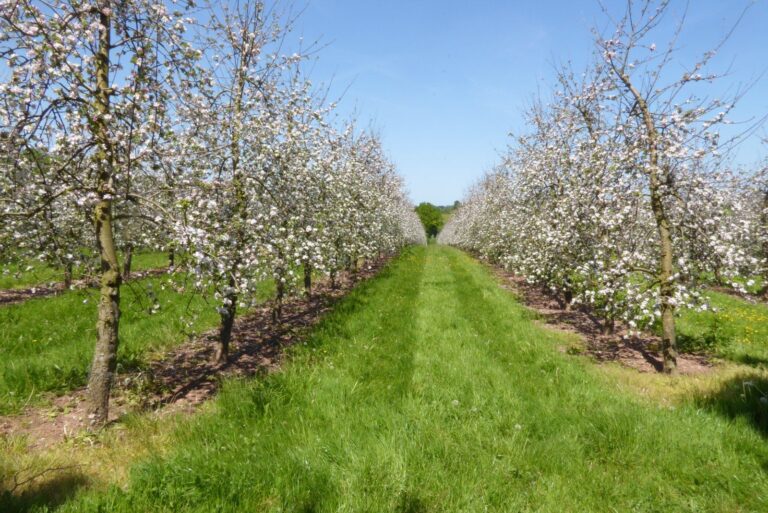
North Carolina lawn care calendar: seeding, fertilizer and crabgrass preventer dates from N.C. Cooperative Extension publications.
North Carolina invasive plants: plants the state bans from sale, and advisory lists.
North Carolina native plants: pollinator plants and other natives listed by official sources.

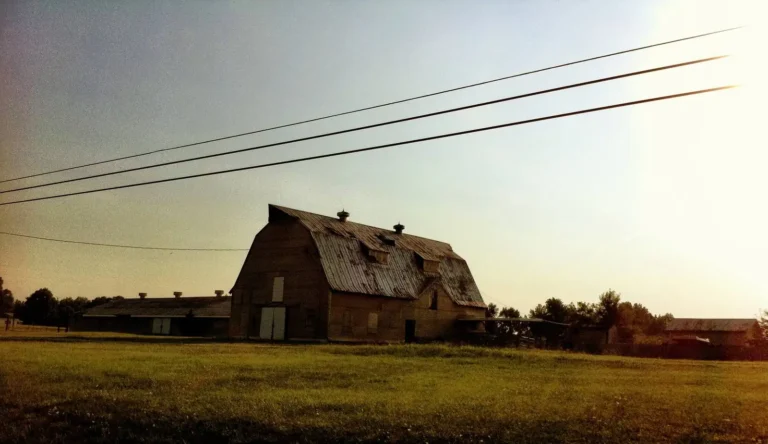
How North Carolina gardens differ by county
Frost-free days range from 154 (Ashe County) to 272 (Beaufort County) in half of years. First fall frost dates span Oct 8 (Ashe County) to Dec 5 (Beaufort County).
N.C. Cooperative Extension publishes separate calendars for the Western, Central and Eastern parts of North Carolina, and each county page uses the calendar for its region.
Frost figures for the 100 counties are drawn from 94 NOAA climate stations. The most common USDA zones are 8a (51 counties), 7b (21 counties), 8b (16 counties).
When to plant in North Carolina
- When to plant tomatoes
- When to plant peppers
- When to plant potatoes
- When to plant sweet potatoes
- When to plant sweet corn
- When to plant green beans
- When to plant lima beans
- When to plant peas
- When to plant southern peas
- When to plant cucumbers
- When to plant squash
- When to plant winter squash
- When to plant pumpkins
- When to plant watermelon
- When to plant cantaloupe
- When to plant okra
- When to plant eggplant
- When to plant lettuce
- When to plant spinach
- When to plant kale
- When to plant collard greens
- When to plant mustard greens
- When to plant turnips
- When to plant swiss chard
- When to plant cabbage
- When to plant broccoli
- When to plant cauliflower
- When to plant brussels sprouts
- When to plant kohlrabi
- When to plant carrots
- When to plant beets
- When to plant radishes
- When to plant onions
- When to plant garlic
- When to plant leeks
- When to plant asparagus
- When to plant rutabagas
- When to plant basil
- When to plant parsley
North Carolina counties
- Alamance CountyZone 8a, last frost Apr 4
- Alexander CountyZone 8a, last frost Apr 2
- Alleghany CountyZone 7a, last frost May 4
- Anson CountyZone 8a, last frost Mar 24
- Ashe CountyZone 7a, last frost May 7
- Avery CountyZone 6b, last frost May 5
- Beaufort CountyZone 8b, last frost Mar 8
- Bertie CountyZone 8a, last frost Mar 29
- Bladen CountyZone 8b, last frost Mar 29
- Brunswick CountyZone 8b, last frost Mar 20
- Buncombe CountyZone 7a, last frost Apr 6
- Burke CountyZone 7b, last frost Apr 7
- Cabarrus CountyZone 8a, last frost Apr 1
- Caldwell CountyZone 7b, last frost Apr 7
- Camden CountyZone 8a, last frost Mar 27
- Carteret CountyZone 8b, last frost Mar 10
- Caswell CountyZone 7b, last frost Mar 31
- Catawba CountyZone 8a, last frost Mar 31
- Chatham CountyZone 8a, last frost Mar 31
- Cherokee CountyZone 7b, last frost Apr 22
- Chowan CountyZone 8a, last frost Mar 24
- Clay CountyZone 7b, last frost Apr 17
- Cleveland CountyZone 8a, last frost Apr 12
- Columbus CountyZone 8b, last frost Mar 29
- Craven CountyZone 8b, last frost Mar 23
- Cumberland CountyZone 8b, last frost Mar 30
- Currituck CountyZone 8b, last frost Mar 28
- Dare CountyZone 8b, last frost Mar 29
- Davidson CountyZone 8a, last frost Apr 11
- Davie CountyZone 7b, last frost Apr 15
- Duplin CountyZone 8a, last frost Apr 7
- Durham CountyZone 8a, last frost Apr 2
- Edgecombe CountyZone 8a, last frost Mar 30
- Forsyth CountyZone 7b, last frost Mar 26
- Franklin CountyZone 8a, last frost Apr 11
- Gaston CountyZone 8a, last frost Mar 27
- Gates CountyZone 8a, last frost Apr 7
- Graham CountyZone 7a, last frost Apr 13
- Granville CountyZone 7b, last frost Mar 30
- Greene CountyZone 8a, last frost Mar 26
- Guilford CountyZone 8a, last frost Apr 1
- Halifax CountyZone 8a, last frost Mar 27
- Harnett CountyZone 8a, last frost Mar 28
- Haywood CountyZone 7a, last frost Apr 30
- Henderson CountyZone 7b, last frost Apr 14
- Hertford CountyZone 8a, last frost Apr 6
- Hoke CountyZone 8a, last frost Apr 3
- Hyde CountyZone 8b, last frost Mar 29
- Iredell CountyZone 7b, last frost Apr 16
- Jackson CountyZone 7a, last frost Apr 19
- Johnston CountyZone 8a, last frost Mar 29
- Jones CountyZone 8b, last frost Apr 5
- Lee CountyZone 8a, last frost Apr 10
- Lenoir CountyZone 8a, last frost Mar 25
- Lincoln CountyZone 8a, last frost Apr 9
- Macon CountyZone 7b, last frost Apr 17
- Madison CountyZone 7a, last frost Apr 28
- Martin CountyZone 8a, last frost Mar 20
- McDowell CountyZone 7b, last frost Apr 5
- Mecklenburg CountyZone 8a, last frost Mar 30
- Mitchell CountyZone 7a, last frost Apr 24
- Montgomery CountyZone 8a, last frost Mar 25
- Moore CountyZone 8a, last frost Mar 25
- Nash CountyZone 8a, last frost Apr 1
- New Hanover CountyZone 8b, last frost Mar 20
- Northampton CountyZone 8a, last frost Apr 5
- Onslow CountyZone 8a, last frost Mar 31
- Orange CountyZone 8a, last frost Mar 31
- Pamlico CountyZone 8b, last frost Mar 30
- Pasquotank CountyZone 8a, last frost Mar 27
- Pender CountyZone 8a, last frost Mar 29
- Perquimans CountyZone 8a, last frost Mar 28
- Person CountyZone 7b, last frost Apr 15
- Pitt CountyZone 8a, last frost Mar 27
- Polk CountyZone 8a, last frost Mar 27
- Randolph CountyZone 8a, last frost Apr 5
- Richmond CountyZone 8a, last frost Mar 30
- Robeson CountyZone 8b, last frost Mar 24
- Rockingham CountyZone 7b, last frost Apr 5
- Rowan CountyZone 7b, last frost Apr 6
- Rutherford CountyZone 8a, last frost Apr 11
- Sampson CountyZone 8b, last frost Mar 26
- Scotland CountyZone 8a, last frost Mar 21
- Stanly CountyZone 8a, last frost Mar 29
- Stokes CountyZone 7b, last frost Apr 11
- Surry CountyZone 7b, last frost Apr 19
- Swain CountyZone 7a, last frost May 3
- Transylvania CountyZone 7b, last frost Apr 21
- Tyrrell CountyZone 8b, last frost Mar 29
- Union CountyZone 8a, last frost Apr 3
- Vance CountyZone 7b, last frost Apr 16
- Wake CountyZone 8a, last frost Mar 28
- Warren CountyZone 8a, last frost Apr 3
- Washington CountyZone 8a, last frost Mar 31
- Watauga CountyZone 7a, last frost May 2
- Wayne CountyZone 8a, last frost Mar 15
- Wilkes CountyZone 7b, last frost Apr 10
- Wilson CountyZone 8a, last frost Mar 22
- Yadkin CountyZone 7b, last frost Apr 16
- Yancey CountyZone 7a, last frost Apr 24
North Carolina at a glance
When to plant in North Carolina: crop by crop
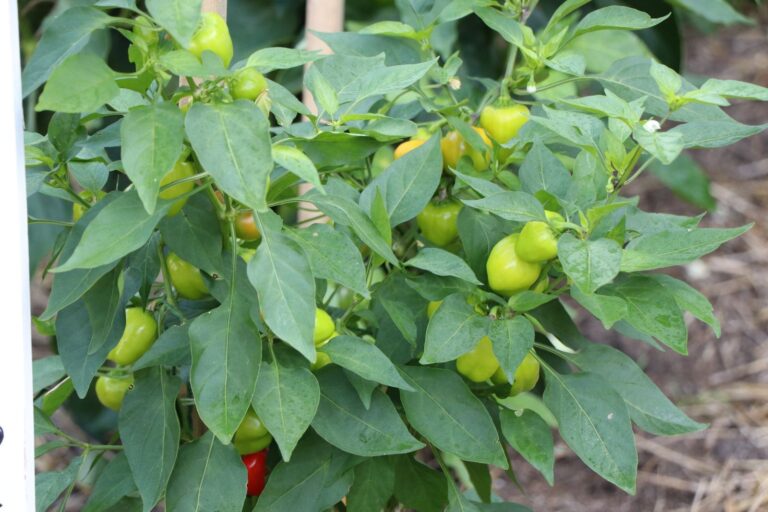
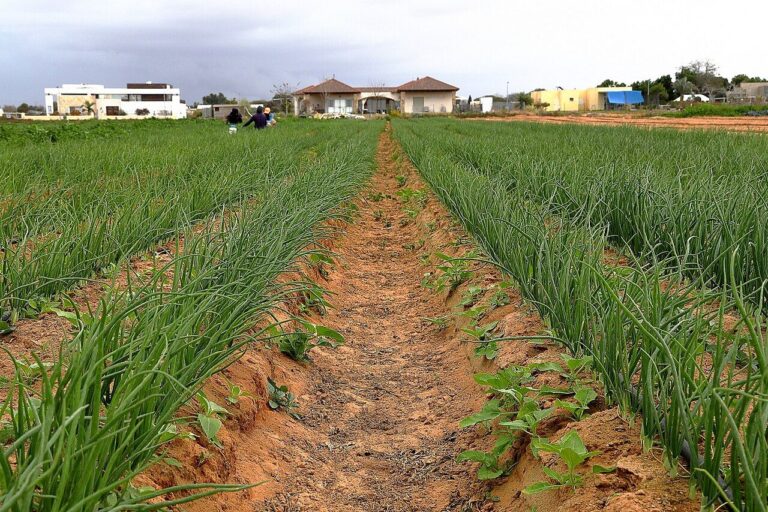
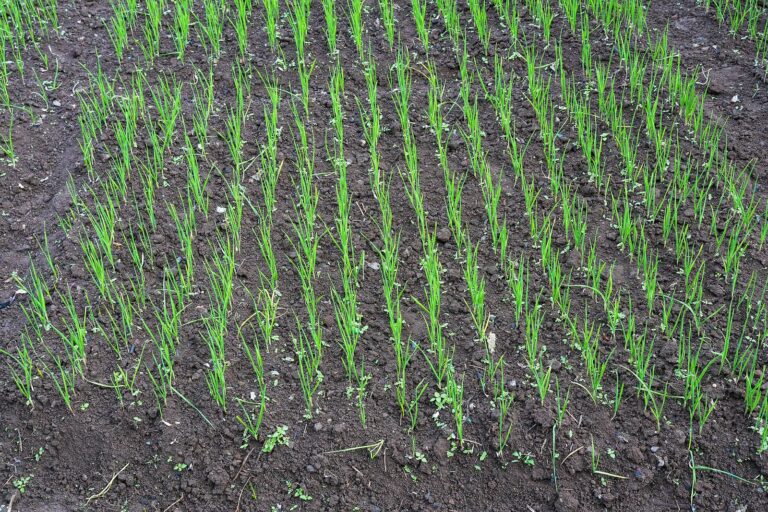
Planting dates for each crop in North Carolina, from the N.C. Cooperative Extension calendar.





 Kale
 Spinach
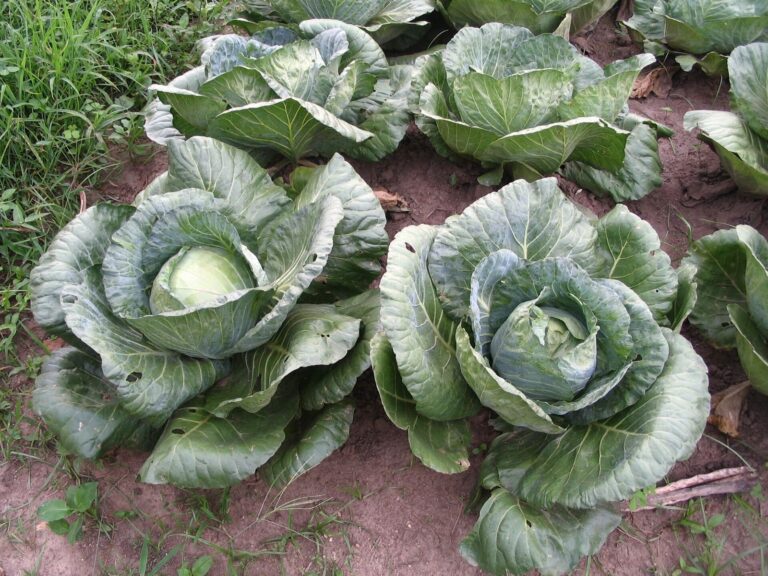 Cabbage
 Sweet Potatoes
 Lima Beans
 Southern Peas
 Winter Squash
 Cantaloupe
 Eggplant
 Collard Greens
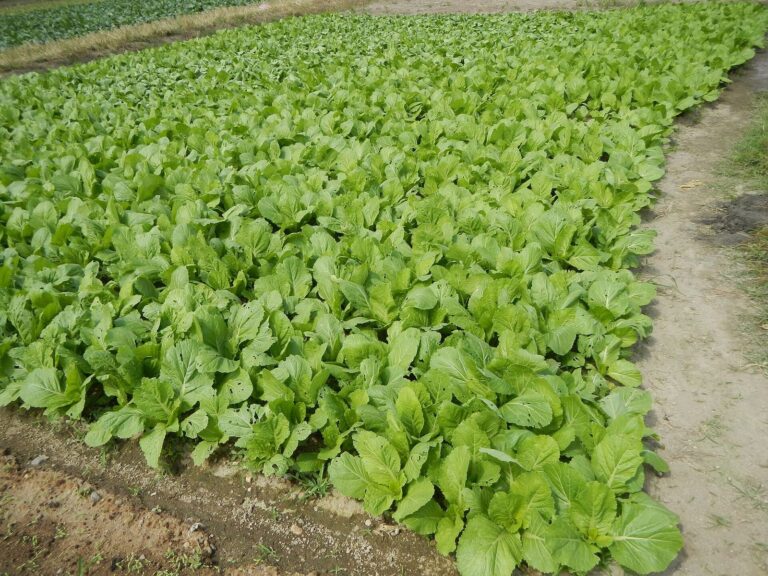 Mustard Greens
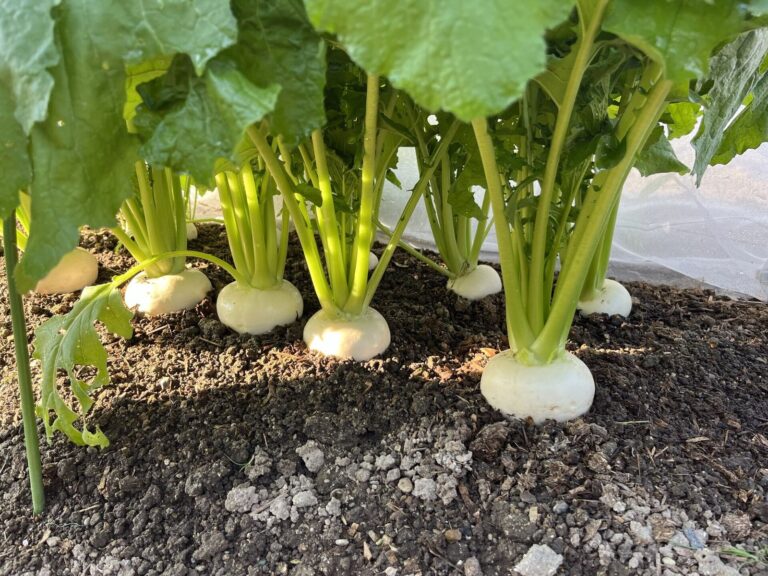 Turnips
 Swiss Chard
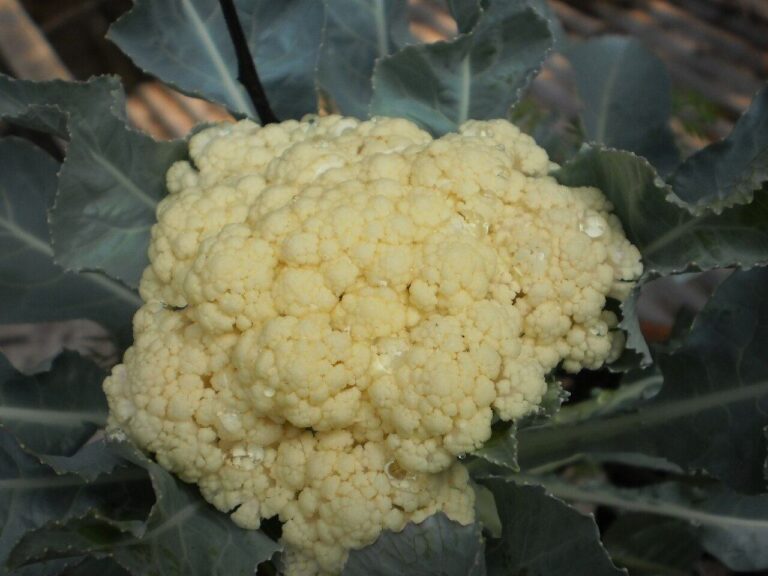 Cauliflower
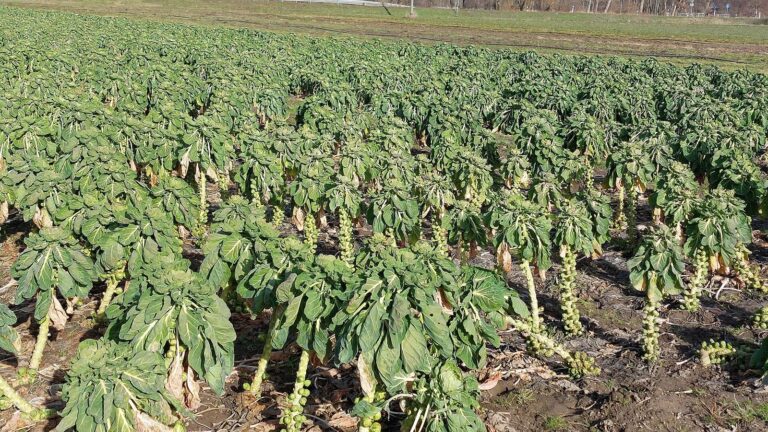 Brussels Sprouts
 Kohlrabi
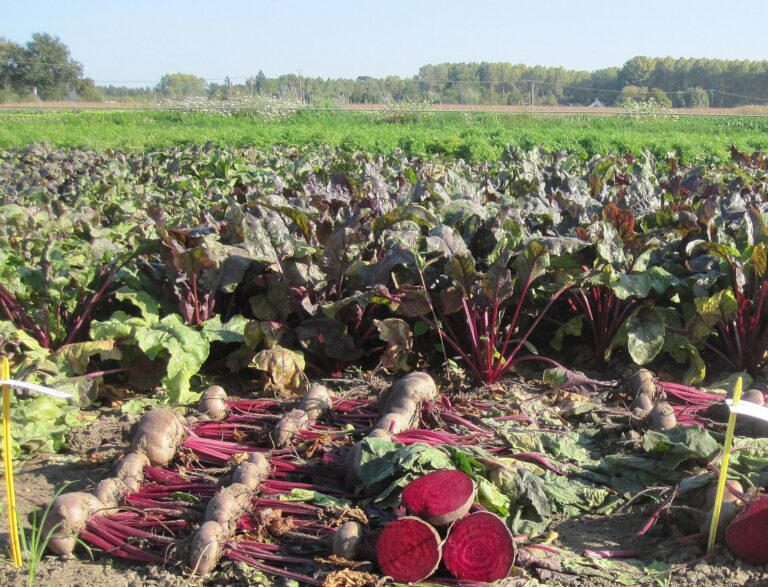 Beets
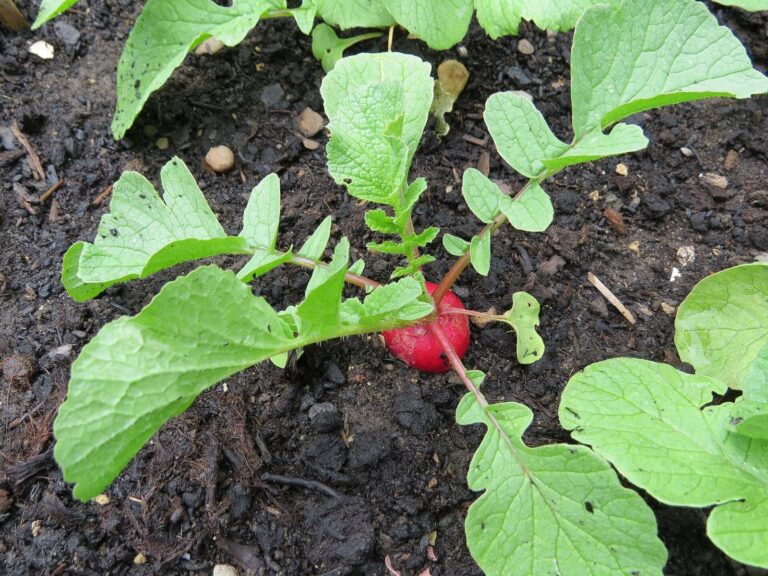 Radishes
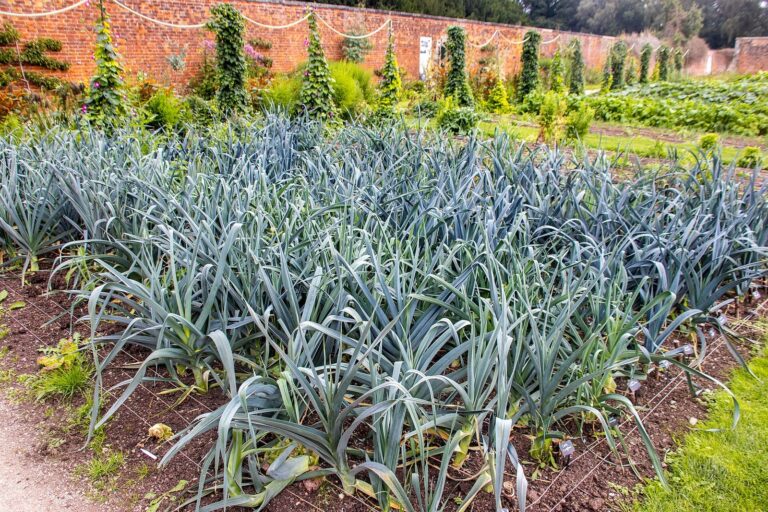 Leeks
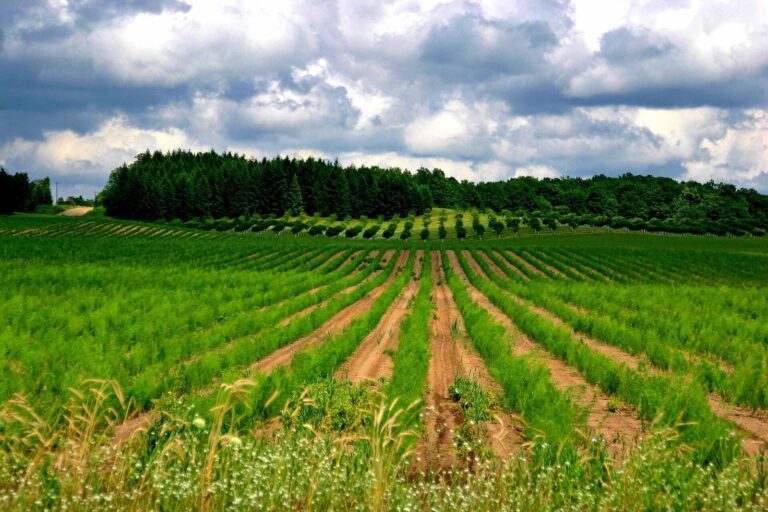 Asparagus
 Rutabagas
 Basil
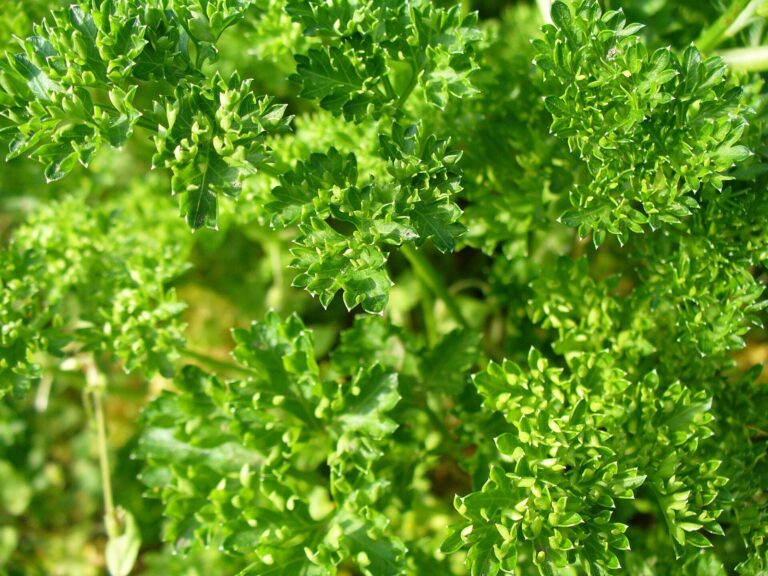 Parsley
North Carolina gardening questions
When is it safe to plant after frost in North Carolina?
The 50% last frost falls on Mar 8 at the earliest (Beaufort County) and May 7 at the latest (Ashe County).
What USDA zones are in North Carolina?
The 2023 USDA map shows zones 6b through 9a.
What vegetables can I plant now in North Carolina?
Pick your county on what to plant now in North Carolina.
Where do these dates come from?
N.C. Cooperative Extension for the planting dates, NOAA NCEI for frost dates and the USDA 2023 map for zones; links are on each page.

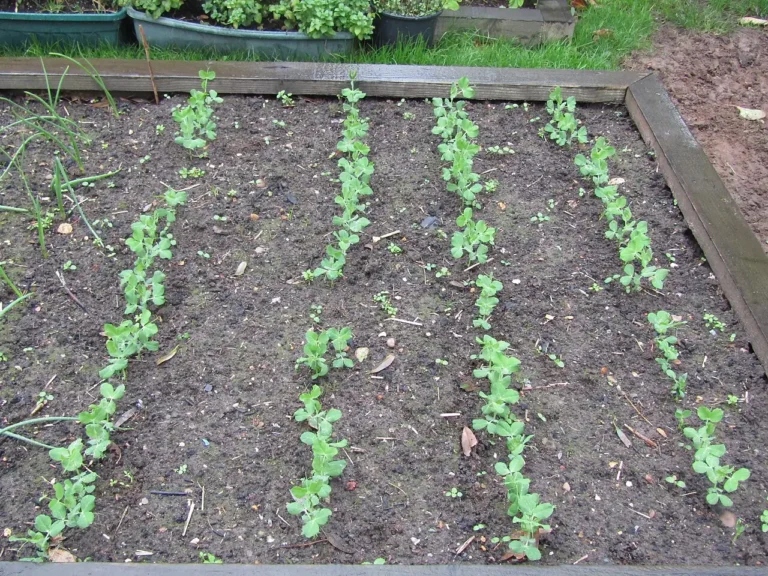
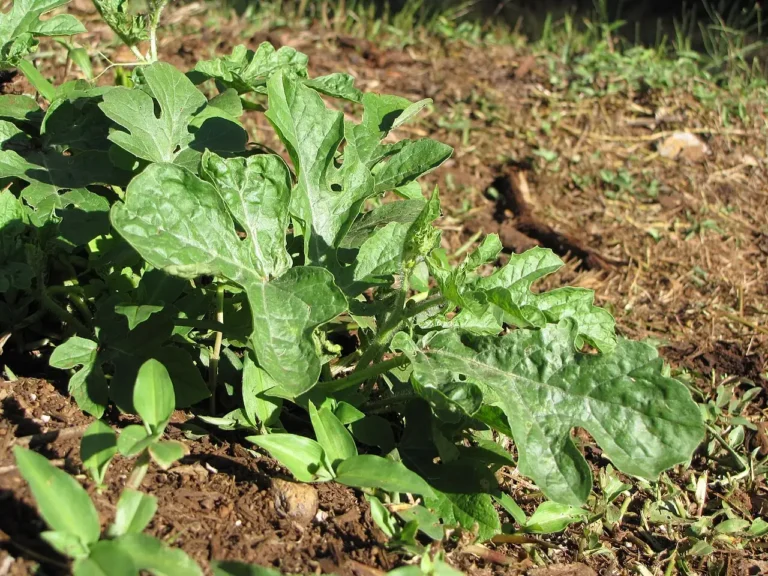
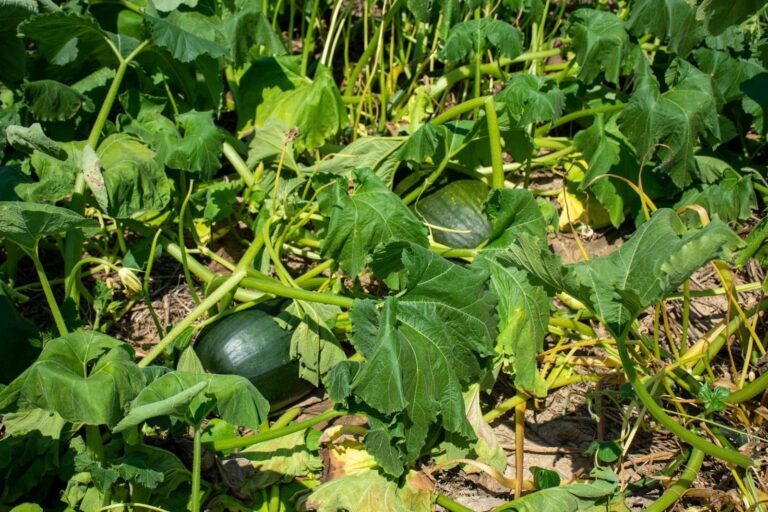
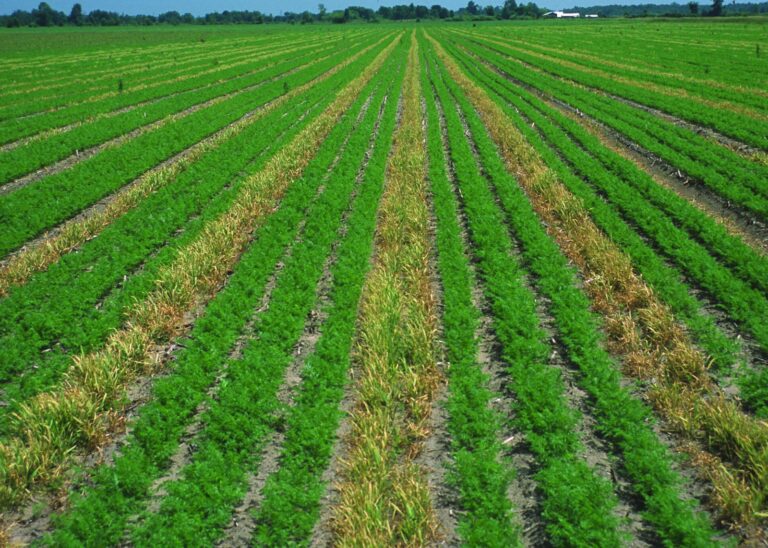
Photos: Autumn mountains under blue sky from a Blue Ridge overlook, Haywood County: msprague, CC BY-SA 2.0, via Flickr; Misty green pasture and small barn below wooded hills, Cherokee County: Ken Lund, CC BY-SA 2.0, via Flickr; Forested valley under summer clouds, Pisgah National Forest: USDAgov, Public Domain Mark 1.0, via Flickr; Old gambrel barn at the edge of a field, Wake County: Ryan Q, CC BY 2.0, via Flickr; Pile of ripe tomatoes: Jubair Bin Iqbal, CC BY-SA 4.0, via Wikimedia Commons; Pepper plant in a kitchen garden loaded with green, yellow and red peppers: NPS, Public domain, via Wikimedia Commons; Potato plant growing in a garden bed: Kolforn (Kolforn), CC BY-SA 4.0, via Wikimedia Commons; Field of sweet corn in summer: Marathon, CC BY-SA 2.0, via Wikimedia Commons; Clusters of long green bean pods hanging from a climbing bean vine: Nirajan_pant, CC BY-SA 3.0, via Wikimedia Commons; Cucumber vines climbing a wooden trellis in a kitchen garden: NPS, Public domain, via Wikimedia Commons; Zucchini fruit on the plant: Schlaghecken Josef, CC BY-SA 4.0, via Wikimedia Commons; Leaf lettuce growing in a garden: GT1976, CC BY-SA 4.0, via Wikimedia Commons; Long rows of green onion plants growing in sandy farm soil: ליזי שאנן, CC BY 2.5, via Wikimedia Commons; Neat rows of young garlic shoots growing in dark tilled soil: Timothy A. Gonsalves, CC BY-SA 4.0, via Wikimedia Commons; Rows of young pea plants in a vegetable patch: Kolforn (Kolforn), CC BY-SA 4.0, via Wikimedia Commons; Young watermelon plant in a garden: Forest and Kim Starr, CC BY 3.0 us, via Wikimedia Commons; Green pumpkins growing beneath thick vines and broad leaves in a farm field: USDAgov, Public domain, via Wikimedia Commons; Green broccoli head growing in the center of a leafy plant: Pinakpani, CC BY-SA 4.0, via Wikimedia Commons; Rows of carrots growing between rye windbreak strips in a farm field: Photo by Fred Gasper, USDA Natural Resources Conservation Service, Public domain, via Wikimedia Commons; Garden with okra plants: Kenogenic, CC BY-SA 4.0, via Wikimedia Commons; Kale in a vegetable bed at a botanic garden: cultivar413 from Fallbrook, California, CC BY 2.0, via Wikimedia Commons; Close view of a spinach plant with crinkled dark green leaves in soil: Алексей Тараканов, CC BY-SA 2.0, via Wikimedia Commons; Cabbage heads forming among broad outer leaves in a garden plot: SuSanA Secretariat, CC BY 2.0, via Wikimedia Commons; Sweet potato leaves: Forest and Kim Starr, CC BY 3.0 us, via Wikimedia Commons; Lima bean seeds: Filo gèn', CC BY-SA 4.0, via Wikimedia Commons; Field of bushy green cowpea plants growing in rows of red soil: Thamizhpparithi Maari, CC BY-SA 4.0, via Wikimedia Commons; Butternut squash growing on the vine: Jebulon, CC0, via Wikimedia Commons; Whole and sliced cantaloupes: USDA photo by Scott Bauer. Image Number K7355-11., Public domain, via Wikimedia Commons; Long purple eggplant growing on the plant: BorisAhonon, CC BY-SA 4.0, via Wikimedia Commons; Collard leaf (Brassica oleracea var. viridis): Jules Verne Times Two, CC BY-SA 4.0, via Wikimedia Commons; Dense bed of leafy mustard greens growing in a farm field: Judgefloro, CC BY-SA 4.0, via Wikimedia Commons; White turnip roots swelling above the soil under leafy green tops: Miya, CC BY-SA 4.0, via Wikimedia Commons; Red-stemmed Swiss chard plants growing in a garden bed with drip line: mercedesfromtheeighties, CC BY-SA 2.0, via Wikimedia Commons; Creamy white cauliflower head growing among large blue-green leaves: Edukeralam,( Navaneeth Krishnan S), CC BY-SA 3.0, via Wikimedia Commons; Field of tall Brussels sprouts plants with sprouts along the stalks: Schlaghecken Josef, CC BY 4.0, via Wikimedia Commons; Rows of young kohlrabi plants growing in a sandy farm field: AnRo0002, CC0, via Wikimedia Commons; Red beets growing in a field with some roots pulled and cut open: Arn, CC BY-SA 4.0, via Wikimedia Commons; Red radish root peeking from dark garden soil beneath green leaves: GT1976, CC BY-SA 4.0, via Wikimedia Commons; Bed of blue-green leeks growing in a walled kitchen garden: Photograph by Mike Peel ( www.mikepeel.net )., CC BY-SA 4.0, via Wikimedia Commons; Rows of feathery asparagus ferns in a commercial asparagus field: User:Morri362, CC BY-SA 3.0, via Wikimedia Commons; Freshly pulled rutabaga roots lying in a row on garden soil: Picasa user Seedambassadors, CC BY-SA 3.0, via Wikimedia Commons; Bushy basil plant with glossy green leaves growing in a garden: Castielli, CC BY-SA 3.0, via Wikimedia Commons; Close view of curly parsley growing thick and bright green: Pohled 111, CC BY-SA 4.0, via Wikimedia Commons; Savoy cabbage head and outer leaves covered in hoar frost in a vegetable garden: Schlaghecken Josef, CC BY-SA 4.0, via Wikimedia Commons; Newly sprouted corn seedlings in straight rows of bare brown soil: Rémy Sanchez, CC BY 3.0, via Wikimedia Commons; Wooden basket of fresh carrots with green tops and red and yellow onions: Markus Spiske, CC0, via Wikimedia Commons; Rows of apple trees in white blossom along a grassy orchard alley: Philip Halling, CC BY-SA 2.0, via Wikimedia Commons.