
Home › Frost dates
All states
Frost Dates by County
Find the average last spring and first fall frost date for your county from NOAA 1991-2020 climate normals. Covers every county in Tennessee, Georgia, North Carolina, Texas, Pennsylvania and Ohio.
Photo: Savoy cabbage head and outer leaves covered in hoar frost in a vegetable garden. Schlaghecken Josef, CC BY-SA 4.0, via Wikimedia Commons
Frost dates near me
Share your location or pick a state and county.
Your location stays in your browser; it is only used to find the nearest county center.

Last frost dates by state
| State | Earliest last frost (50%) | Latest last frost (50%) | Counties |
|---|---|---|---|
| Tennessee | Mar 26 (Lauderdale) | Apr 27 (Johnson) | 95 |
| Georgia | Feb 8 (Glynn) | Apr 26 (Fannin) | 159 |
| North Carolina | Mar 8 (Beaufort) | May 7 (Ashe) | 100 |
| Texas | Jan 8 (Cameron) | Apr 28 (Hartley) | 254 |
| Pennsylvania | Mar 30 (Delaware) | May 22 (Warren) | 67 |
| Ohio | Apr 8 (Cuyahoga) | May 8 (Mahoning) | 88 |
How to read frost dates
The 50% date
In half of the years from 1991 to 2020 the last spring 32°F night came on or after this date. It is the date most planting guides mean by “average last frost”.
The 10% date
Only about 1 year in 10 has a freeze after this spring date. Waiting for it lowers the risk for tomatoes, peppers and other tender plants.
Hard freeze at 28°F
Most cool-season vegetables survive a light frost but are damaged at 28°F. County pages list the 28°F dates as well.
Nearest station
Each county uses the closest NOAA station with a full 30-year record. County pages show its name, distance and elevation.
Fall dates
The first fall frost date is counted the same way: a 10% fall date means a freeze before it in about 1 year in 10.
Season length
The growing season is the number of days between the last spring and first fall 32°F freeze in half of years.
Choose your state


Frost date questions
What is a frost date?
The date when, on average, the last spring or first fall 32°F night happens. These pages show the 50% date (half of years) and the 10% date (1 year in 10).
Where do the frost dates come from?
NOAA NCEI U.S. Climate Normals for 1991 to 2020, freeze probability dates at the station nearest each county center.
Which states are covered?
Tennessee, Georgia, North Carolina, Texas, Pennsylvania and Ohio. More states are being added.

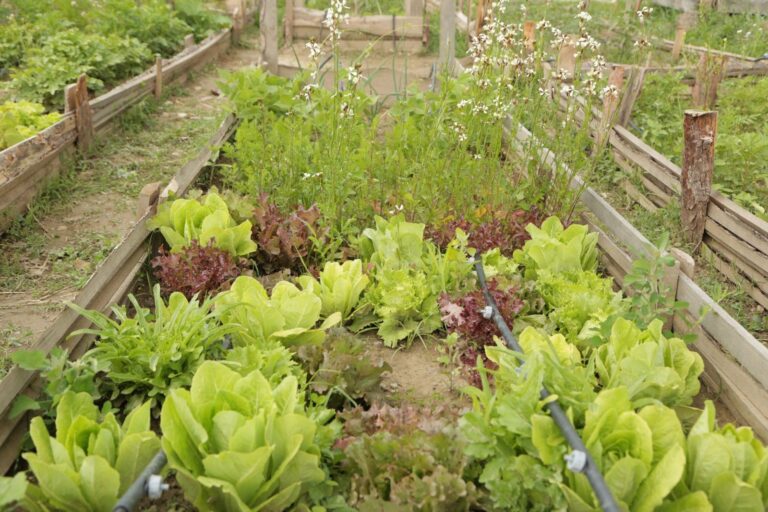
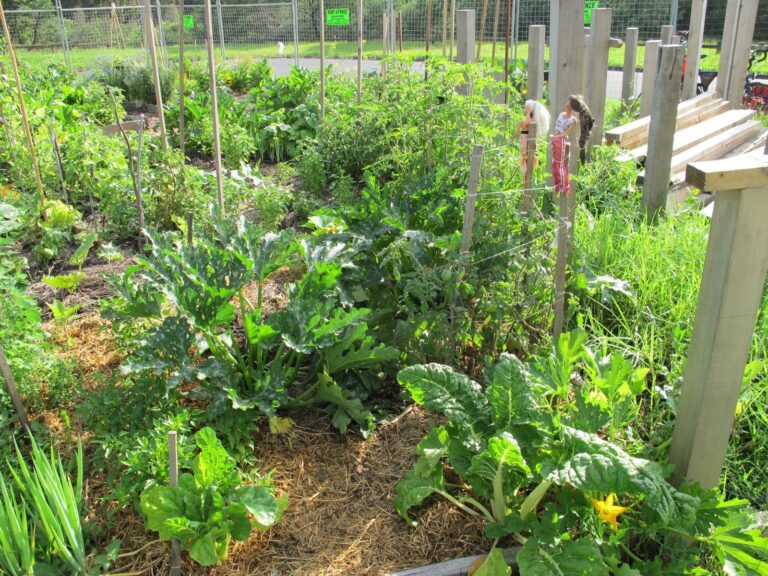
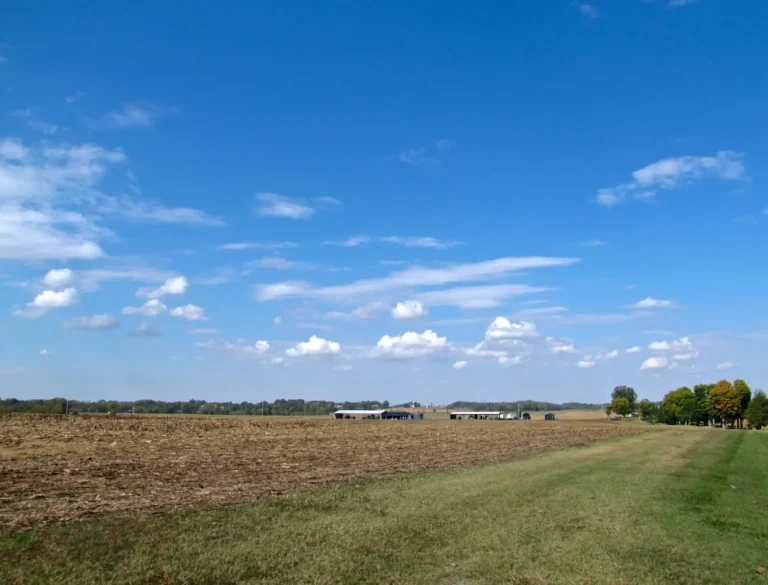
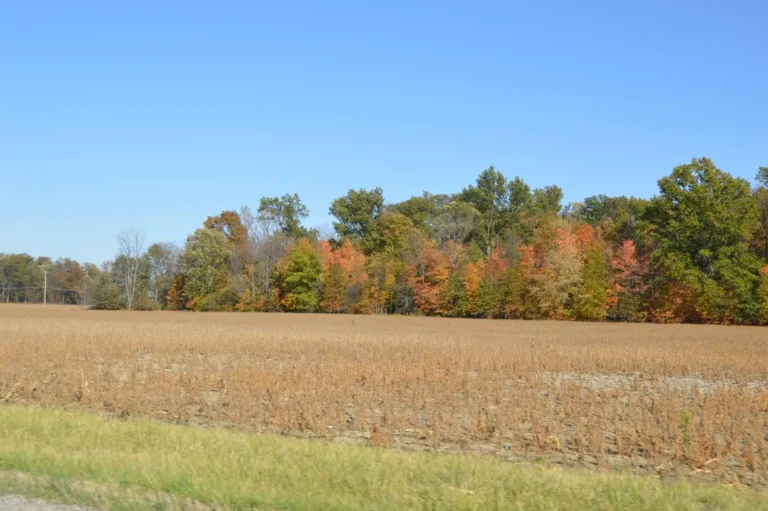
Photos: Savoy cabbage head and outer leaves covered in hoar frost in a vegetable garden: Schlaghecken Josef, CC BY-SA 4.0, via Wikimedia Commons; Red and green azalea leaves edged with frost crystals on an autumn morning: Famartin, CC BY-SA 4.0, via Wikimedia Commons; Rows of green and red lettuce growing in wooden-edged beds with drip irrigation: SA, The Green Ark, Bostanie, CC BY 4.0, via Wikimedia Commons; Rainbow chard growing beside orange marigolds in a raised garden bed: Missvain, CC BY 4.0, via Wikimedia Commons; Community vegetable garden with chard, squash and staked tomato plants in summer: Gavin Anderson, CC BY-SA 2.0, via Wikimedia Commons; Open farm fields near Cedar Hill in Robertson County, Tennessee: Brian Stansberry, CC BY 4.0, via Wikimedia Commons; Great egret wading among pickerelweed on an open prairie in the Okefenokee National Wildlife Refuge: David Wilson, CC BY 2.0, via Flickr; Horse pasture fence and longleaf pines along a country road, Moore County: NCDOTcommunications, CC BY 2.0, via Flickr; Wooded limestone hills above the Frio River at Garner State Park: wablair, CC BY 2.0, via Flickr; Pine Creek valley from the Bob Webber Trail in the Wolf Run Wild Area, Tiadaghton State Forest: Nicholas A. Tonelli, CC BY 2.0, via Flickr; Soybean field and tree line near North Robinson, Crawford County: Nyttend, Public domain, via Wikimedia Commons.