Home › Tennessee › Lawn care calendar
Tennessee
Tennessee Lawn Care Calendar
UT Extension says to seed tall fescue from late August to mid October and to seed bermudagrass from May to June.
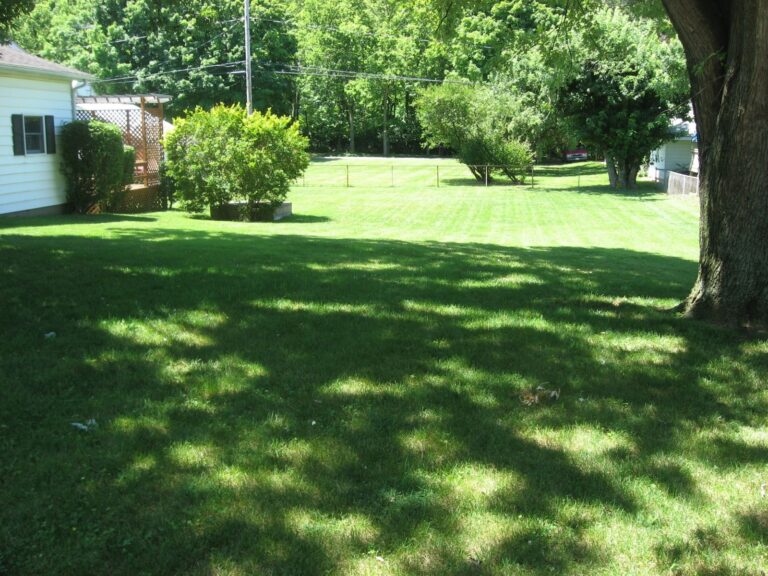
Photo: Shaded green lawn behind a house with shrubs and mature trees on a summer day. Nyttend, Public domain, via Wikimedia Commons
Tennessee lawn tasks this month
January
- Sod: Tall fescue and Kentucky bluegrass.
February
- Sod: Tall fescue and Kentucky bluegrass.
March
- Sod: Tall fescue and Kentucky bluegrass.
- Fertilize: Tall fescue.
- Crabgrass preventer: Bermudagrass, tall fescue and zoysiagrass.
April
- Sod: Tall fescue and Kentucky bluegrass.
- Fertilize: Bermudagrass and tall fescue.
May
- Seed: Bermudagrass, zoysiagrass and centipedegrass.
- Sod: Tall fescue and Kentucky bluegrass.
- Sprigs: Bermudagrass, zoysiagrass and centipedegrass.
- Plugs: Bermudagrass, zoysiagrass and centipedegrass.
- Fertilize: Bermudagrass and zoysiagrass.
- Crabgrass preventer: Bermudagrass, tall fescue and zoysiagrass.
- Aerate: Bermudagrass.
- Dethatch: Bermudagrass.
June
- Seed: Bermudagrass, zoysiagrass and centipedegrass.
- Sod: Tall fescue and Kentucky bluegrass.
- Sprigs: Bermudagrass, zoysiagrass and centipedegrass.
- Plugs: Bermudagrass, zoysiagrass and centipedegrass.
- Fertilize: Bermudagrass and zoysiagrass.
- Aerate: Bermudagrass.
- Dethatch: Bermudagrass.
July
- Fertilize: Bermudagrass and zoysiagrass.
- Aerate: Bermudagrass.
- Dethatch: Bermudagrass.
August
- Seed: Tall fescue, fine fescue, Kentucky bluegrass and perennial ryegrass.
- Overseed: Tall fescue.
- Fertilize: Bermudagrass and zoysiagrass.
September
- Seed: Tall fescue, fine fescue, Kentucky bluegrass and perennial ryegrass.
- Sod: Tall fescue and Kentucky bluegrass.
- Overseed: Tall fescue.
- Fertilize: Bermudagrass and tall fescue.
- Aerate: Tall fescue.
October
- Seed: Tall fescue, Kentucky bluegrass, fine fescue and perennial ryegrass.
- Sod: Tall fescue and Kentucky bluegrass.
- Fertilize: Tall fescue.
November
- Sod: Tall fescue and Kentucky bluegrass.
- Fertilize: Tall fescue.
December
- Sod: Tall fescue and Kentucky bluegrass.
Months come from the dated tasks in the publications listed below. Tasks tied to soil temperature or plant bloom are in the tables further down.


Which grass fits a Tennessee lawn
UT Extension publications describe 4 cool-season and 3 warm-season lawn grasses for Tennessee.
| Grass | Type | Where recommended | What the publication says | Source |
|---|---|---|---|---|
| Annual ryegrass | Cool-season | Tennessee (statewide) | Best Used In: …temporary groundcover, erosion control or short-term overseeding situations where rapid establishment is needed; not suitable for permanent or long-term lawn cover. | PB1935, p. 5 |
| Fine fescue | Cool-season | Tennessee (statewide) | Best Used In: …cool, low-maintenance lawns in shaded or partially shaded areas; ideal where drought tolerance and reduced mowing are priorities; effective on steep slopes for erosion control; not well-suited for high heat, full ... | PB1935, p. 4 |
| Fine fescue | Cool-season | No region named in this publication | …seeds of several improved hard fescue varieties are being mixed with Kentucky bluegrass, perennial ryegrass and other fineleaf fescues to establish low-maintenance turfs in shade in north central and upper East Tennessee. | W159-E, W159-E ("north central and upper East Tennessee" is not a defined region; where left empty) |
| Kentucky bluegrass | Cool-season | Tennessee (statewide) | Best Used In: …cool-season blends for improved density, recovery and color; particularly effective in partially shaded microclimates or cooler parts of Tennessee; most tall fescue sod in the state contains about 10-15% Kentucky ... | PB1935, p. 5 |
| Perennial ryegrass | Cool-season | Tennessee (statewide) | Best Used In: …quick-establishing turfgrass for overseeding warm-season grasses, athletic fields, and lawns; often included in cool-season blends to improve establishment speed; best suited for high-maintenance, irrigated sites; ... | PB1935, p. 5 |
| Tall fescue | Cool-season | East Tennessee and Middle Tennessee | Best Used In: …most home lawns in East and Middle Tennessee; adaptable to partial shade; tolerates moderate traffic; preferred where a longer green season in spring and fall is desired with moderate maintenance inputs. | PB1935, p. 4, Additional Management Considerations (cool-season) |
| Tall fescue | Cool-season | Tennessee (statewide) | Tall fescue is the most common cool-season species used for home lawns in Tennessee. | W159-E, W159-E |
| Tall fescue | Cool-season | Highland Rim Region, Nashville Basin Region, Appalachian Ridge and Valley Region, Cumberland Plateau Region and Gulf Coastal Plain Region | Highland Rim: In this region, cool-season turfgrasses often outperform the variety known as 'Arizona Common' bermudagrass and other varieties of bermudagrass prone to winter kill. Although dormant in late fall, winter, and early ... | Chapter 10- Turfgrass Management in Tennessee, Adaptation |
| Bermudagrass | Warm-season | Tennessee (statewide) | Common bermudagrass: …full-sun lawns, sports fields, and utility turfgrass in Tennessee; excellent heat and drought tolerance; good traffic recovery; best suited for low- to moderate-maintenance sites; not well-adapted to shaded ... | PB1935, p. 8 |
| Bermudagrass | Warm-season | Gulf Coastal Plain Region, Nashville Basin Region, Highland Rim Region, Blue Ridge Region, Appalachian Ridge and Valley Region and Cumberland Plateau Region | Gulf Coastal Plain: Bermudagrass, centipedegrass, and zoysiagrass varieties are usually very well adapted to well-drained, full-sun sites within this region. Some cool-season species may be successfully managed in partially ... | Chapter 10- Turfgrass Management in Tennessee, Adaptation; Bermudagrass |
| Centipedegrass | Warm-season | Tennessee (statewide) | …low-input lawns on acidic, sandy soils in the southeastern U.S.; best suited for areas with minimal traffic and low fertility; not widely recommended in Tennessee due to poor winter survival and slow recovery. | PB1935, p. 8 |
| Centipedegrass | Warm-season | West Tennessee and Gulf Coastal Plain Region | However, centipedegrass (Eremochloa ophiuroides) is also gaining in popularity in western Tennessee. | Gulf Coastal Plain: Bermudagrass, centipedegrass, and zoysiagrass varieties are usually very well adapted to well-drained, ... | Chapter 10- Turfgrass Management in Tennessee, Selecting the Right Turfgrass; Adaptation |
| Zoysiagrass | Warm-season | Tennessee (statewide) | Best Used In: …home lawns and landscapes where dense, fine-textured turfgrass is desired; tolerates moderate shade and traffic; offers good drought tolerance but slow establishment and recovery; performs best with moderate ... | PB1935, p. 8 |
| Zoysiagrass | Warm-season | Gulf Coastal Plain Region, Nashville Basin Region, Highland Rim Region, Blue Ridge Region, Appalachian Ridge and Valley Region and Cumberland Plateau Region | Gulf Coastal Plain: Bermudagrass, centipedegrass, and zoysiagrass varieties are usually very well adapted to well-drained, full-sun sites within this region. Some cool-season species may be successfully managed in partially ... | Chapter 10- Turfgrass Management in Tennessee, Adaptation |
When to plant grass seed in Tennessee
| Task | Grass | Region | When | Published text | Source |
|---|---|---|---|---|---|
| Seed | Bermudagrass, zoysiagrass and centipedegrass | Tennessee (statewide) | May to June | Temperatures from 80 to 95 degrees Fahrenheit favor the growth of bermudagrass (Cynodon spp.), centipedegrass … St. Augustinegrass … and Zoysia (Zoysia spp.). In Tennessee, seeds, plugs or sprigs of these warm-season turfgrasses ... | W160-F, p. 1 |
| Seed | Bermudagrass, zoysiagrass and centipedegrass | Tennessee (statewide) | May to June | Seed, plugs, or sprigs of bermudagrass, centipedegrass, or zoysiagrass should be planted between May 1 and June 30 to allow plants adequate time to mature before fall frost. … For best results, bermudagrass, zoysiagrass, and ... | Chapter 10- Turfgrass Management in Tennessee, Establishing Turfgrasses: Timing |
| Seed | Kentucky bluegrass | Tennessee (statewide) | See text | Kentucky bluegrass should not be seeded in spring. Kentucky bluegrass seeds germinate very slowly compared to fescues and ryegrasses, and poorly developed seedlings are usually killed by hot, dry weather in summer. | W160-F, p. 1 |
| Seed | Tall fescue and fine fescue | Tennessee (statewide) | mid August to mid September | Seed the fescues in late summer (i.e. August 20 to September 15) just before most favorable climatic conditions. Fescues may also be seeded in early spring. | PB1576, Seeding, p. 6 |
| Seed | Tall fescue, Kentucky bluegrass and fine fescue | Tennessee (statewide) | late August to mid October | Since Kentucky bluegrass and the fescues grow best when air temperatures are cool, late August to mid-October is an excellent time to plant seed. Planting seeds of cool-season turfgrasses in late winter or early spring often ... | Chapter 10- Turfgrass Management in Tennessee, Establishing Turfgrasses: Timing; The Right Timing |
| Seed | Tall fescue, Kentucky bluegrass, fine fescue and perennial ryegrass | Tennessee (statewide) | late August to mid October | In Tennessee, late August to mid-October is considered an ideal time to seed these cool-season turfgrasses. Although late summer and early fall plantings are preferred, and wet, rainy weather may make soil preparation difficult, ... | W160-F, p. 1 |
| Seed | Tall fescue, fine fescue, perennial ryegrass and annual ryegrass | Tennessee (statewide) | See text | Table timing: late summer – early fall, late winter – early spring. fescues and ryegrasses are sometimes seeded in late winter or early spring. | W160-F, table |
| Sod | Bermudagrass, zoysiagrass and centipedegrass | Tennessee (statewide) | See text | Sod of warm-season turfgrasses is installed throughout the year, as long as the planting bed is not frozen. However, if turfgrasses are dormant at planting, several weeks or months may be required before the newly sodded turf can ... | W160-F, p. 1 |
| Sod | Tall fescue | Tennessee (statewide) | March and September to October | Although sodding in September, October and March is preferred, fescue sod may be transplanted almost any time of the year. | PB1576, Sodding, p. 6 |
| Sod | Tall fescue and Kentucky bluegrass | Tennessee (statewide) | January to June and September to December | Tall fescue and Kentucky bluegrass sod is most often installed from January through June and September through December. Many sod producers do not like to market sod of cool-season turfgrasses in July and August, when plants are ... | W160-F, p. 1 and table footnote a |
| Sprigs | Bermudagrass, zoysiagrass and centipedegrass | Tennessee (statewide) | May to June | Temperatures from 80 to 95 degrees Fahrenheit favor the growth of bermudagrass (Cynodon spp.), centipedegrass … St. Augustinegrass … and Zoysia (Zoysia spp.). In Tennessee, seeds, plugs or sprigs of these warm-season turfgrasses ... | W160-F, p. 1 |
| Plugs | Bermudagrass | Tennessee (statewide) | mid May to mid June | When bermudagrass plugs 4 inches in diameter are planted from mid-May through mid-June at 9 inches on center and provided with routine fertilization, weed control, and irrigation, the bermudagrass ground coverage often reaches 90 ... | Chapter 10- Turfgrass Management in Tennessee, Plugging |
| Plugs | Bermudagrass, zoysiagrass and centipedegrass | Tennessee (statewide) | May to June | Temperatures from 80 to 95 degrees Fahrenheit favor the growth of bermudagrass (Cynodon spp.), centipedegrass … St. Augustinegrass … and Zoysia (Zoysia spp.). In Tennessee, seeds, plugs or sprigs of these warm-season turfgrasses ... | W160-F, p. 1 |
| Overseed | Perennial ryegrass | Tennessee (statewide) | See text | Bermudagrass can be overseeded with perennial ryegrass (Lolium perenne) to provide green color while bermudagrass is dormant. However, this rapidly growing, cool-season, bunch-type species competes for nutrients, water, and light ... | Chapter 10- Turfgrass Management in Tennessee, Bermudagrass |
| Overseed | Tall fescue | Tennessee (statewide) | mid August to mid September | Annual interseeding may be necessary to maintain turfgrass stand density in shady locations. Seeding cool-season turfgrasses under deciduous trees in late summer (from mid-August to mid-September) provides the longest exposure to ... | Chapter 10- Turfgrass Management in Tennessee, Shade |
| Overseed | Tall fescue | Tennessee (statewide) | September | Aerate and overseed to increase tall fescue density. Follow all recommendations for establishment of seedling tall fescue. | PB 1903, September page |
| Overseed | Tall fescue | Tennessee (statewide) | See text | It may be necessary to broadcast seed over the lawn or slit-seed the lawn every two to three years to maintain a uniform, dense and weed-resistant turf. | PB1576, Selection, p. 3 |
When to fertilize a lawn in Tennessee
| Task | Grass | Region | When | Published text | Source |
|---|---|---|---|---|---|
| Fertilize | All lawns | Tennessee (statewide) | See text | The application of ½ pound of N per thousand square feet three to five weeks after planting sod, plugs, or sprigs, or after seedlings emerge from the soil, will support continued plant growth. (1/2 lb N per 1,000 sq ft, 3-5 weeks ... | Chapter 10- Turfgrass Management in Tennessee, Care After Planting |
| Fertilize | Annual ryegrass | Tennessee (statewide) | See text | Nitrogen fertility requirement of several turfgrasses. Turfgrass / Relative nitrogen fertility requirement / Pounds of nitrogen required per 1,000 square feet per growing month: Annual ryegrass Medium 2/5 to 1 (2/5 to 1 lb N per ... | W161-C, p. 1 table |
| Fertilize | Bermudagrass | Tennessee (statewide) | mid May | Early to Mid-May: … at a rate providing 1 pound of N per 1,000 square feet (1 lb N per 1,000 sq ft) | D 141, calendar |
| Fertilize | Bermudagrass | Tennessee (statewide) | late June | Late June: Apply a granular N-containing fertilizer to provide 1 pound of N per 1,000 square feet. (1 lb N per 1,000 sq ft) | D 141, calendar |
| Fertilize | Bermudagrass | Tennessee (statewide) | late July | Late July: Apply a granular N-containing fertilizer at the rate of 1 pound of N per 1,000 square feet. (1 lb N per 1,000 sq ft) | D 141, calendar |
| Fertilize | Bermudagrass | Tennessee (statewide) | mid September | Mid- to Late September: … to provide 1/2 to 3/4 pound of N per 1,000 square feet (1/2 to 3/4 lb N per 1,000 sq ft) | D 141, calendar |
| Fertilize | Bermudagrass | Tennessee (statewide) | mid April, early June, mid July and early September | Example high-intensity fertilization plan for maintaining a hybrid bermudagrass lawn … Mid-April 1; Early June 1; Mid-July 1; Early September 1. Total yearly application (per 1,000 square feet) 4 pounds N. (1 lb N per 1,000 sq ... | W161-C, p. 3 table |
| Fertilize | Bermudagrass | Tennessee (statewide) | See text | Nitrogen fertility requirement of several turfgrasses. Turfgrass / Relative nitrogen fertility requirement / Pounds of nitrogen required per 1,000 square feet per growing month: Bermudagrass High ½ to 1½ (1/2 to 1 1/2 lb N per ... | W161-C, p. 1 table |
| Fertilize | Bermudagrass and zoysiagrass | Tennessee (statewide) | May | Apply granular fertilizer containing at least 30 percent of the total nitrogen in slow-release form according to soil test recommendations. | PB 1903, May page |
| Fertilize | Bermudagrass and zoysiagrass | Tennessee (statewide) | June, July and August | Apply fertilizer according to soil test. | PB 1903, June page |
| Fertilize | Centipedegrass | Tennessee (statewide) | See text | Nitrogen fertility requirement of several turfgrasses. Turfgrass / Relative nitrogen fertility requirement / Pounds of nitrogen required per 1,000 square feet per growing month: Centipedegrass Very low 1/10 to 4/10 (1/10 to 4/10 ... | W161-C, p. 1 table |
| Fertilize | Fine fescue | Tennessee (statewide) | See text | Nitrogen fertility requirement of several turfgrasses. Turfgrass / Relative nitrogen fertility requirement / Pounds of nitrogen required per 1,000 square feet per growing month: Chewings fescue Low 1/5 to 3/5; Creeping red fescue ... | W161-C, p. 1 table |
| Fertilize | Kentucky bluegrass | Tennessee (statewide) | See text | Nitrogen fertility requirement of several turfgrasses. Turfgrass / Relative nitrogen fertility requirement / Pounds of nitrogen required per 1,000 square feet per growing month: Kentucky bluegrass High ½ to 1½ (1/2 to 1 1/2 lb N ... | W161-C, p. 1 table |
| Fertilize | Perennial ryegrass | Tennessee (statewide) | See text | Nitrogen fertility requirement of several turfgrasses. Turfgrass / Relative nitrogen fertility requirement / Pounds of nitrogen required per 1,000 square feet per growing month: Perennial ryegrass Medium 2/5 to 1 (2/5 to 1 lb N ... | W161-C, p. 1 table |
| Fertilize | Tall fescue | Tennessee (statewide) | March | Apply granular fertilizer containing at least 30 percent of the total nitrogen in slow-release form according to soil test recommendations. | PB 1903, March page |
| Fertilize | Tall fescue | Tennessee (statewide) | April | Apply fertilizer if needed. | PB 1903, April page |
| Fertilize | Tall fescue | Tennessee (statewide) | early September | Example high-intensity fertilization plan for maintaining a tall fescue lawn … Suggested application date / Nitrogen application rate [pound of N per 1,000 square feet]: Early March ½; Early April ½; Early September 1; ... | W161-C, p. 3 table |
| Fertilize | Tall fescue | Tennessee (statewide) | October and November | Fertilize according to soil test recommendations. | PB 1903, October page |
| Fertilize | Tall fescue | Tennessee (statewide) | early March and early April | Example high-intensity fertilization plan for maintaining a tall fescue lawn … Suggested application date / Nitrogen application rate [pound of N per 1,000 square feet]: Early March ½; Early April ½; Early September 1; ... | W161-C, p. 3 table |
| Fertilize | Tall fescue | Tennessee (statewide) | mid October and mid November | Example high-intensity fertilization plan for maintaining a tall fescue lawn … Suggested application date / Nitrogen application rate [pound of N per 1,000 square feet]: Early March ½; Early April ½; Early September 1; ... | W161-C, p. 3 table |
| Fertilize | Tall fescue | Tennessee (statewide) | See text | Nitrogen fertility requirement of several turfgrasses. Turfgrass / Relative nitrogen fertility requirement / Pounds of nitrogen required per 1,000 square feet per growing month: Tall fescue Medium 2/5 to 1 (2/5 to 1 lb N per ... | W161-C, p. 1 table |
| Fertilize | Tall fescue | Tennessee (statewide) | mid March and mid April | Tall fescues require a medium level of nitrogen fertility … from 2/5 to 1 pound of nitrogen per 1,000 square feet per growing month. Table 4 application dates: March 15, April 15, September 1, October 15, November 15 (1/2 lb N ... | PB1576, Nitrogen p. 8; Table 4 p. 9 |
| Fertilize | Tall fescue | Tennessee (statewide) | early September, mid October and mid November | Tall fescues require a medium level of nitrogen fertility … from 2/5 to 1 pound of nitrogen per 1,000 square feet per growing month. Table 4 application dates: March 15, April 15, September 1, October 15, November 15 (1/2 lb N ... | PB1576, Nitrogen p. 8; Table 4 p. 9 |
| Fertilize | Zoysiagrass | Tennessee (statewide) | See text | Nitrogen fertility requirement of several turfgrasses. Turfgrass / Relative nitrogen fertility requirement / Pounds of nitrogen required per 1,000 square feet per growing month: Zoysia Medium 2/5 to 1 (2/5 to 1 lb N per 1,000 sq ... | W161-C, p. 1 table |
| Lime | All lawns | Tennessee (statewide) | See text | Generally, no more than 50 pounds of lime per thousand square feet is recommended per application to established turf. (no more than 50 lb lime per 1,000 sq ft per application) | Chapter 10- Turfgrass Management in Tennessee, Lime and Liming |
Crabgrass preventer, aeration and mowing height
| Task | Grass | Region | When | Published text | Source |
|---|---|---|---|---|---|
| Crabgrass preventer | Bermudagrass | Tennessee (statewide) | mid March | Early to Mid-March: [preemergence herbicide + fertilizer combination] … the granular fertilizer in this combination product should contain very little, if any, N. | D 141, calendar |
| Crabgrass preventer | Bermudagrass | Tennessee (statewide) | mid May | Mid- to Late May: Apply a preemergence herbicide plus "complete" (w/N+P2O5+K2O) fertilizer combination | D 141, calendar |
| Crabgrass preventer | Tall fescue, bermudagrass and zoysiagrass | Tennessee (statewide) | March | Apply PRE herbicide when soil temperature averages 55 F at a 2-inch depth for several consecutive days. Forsythia plants will begin to produce yellow blooms at these soil temperatures and provide a visual cue of when to make an ... | PB 1903, March and April pages (listed under ALL GRASS TYPES) |
| Crabgrass preventer | Tall fescue, bermudagrass and zoysiagrass | Tennessee (statewide) | May | Make sequential application of PRE herbicide. - Should be applied 6-8 weeks after first treatment of the year. | PB 1903, May page (ALL GRASS TYPES) |
| Mowing height | Annual ryegrass | Tennessee (statewide) | See text | Mowing Height (in): 1.5-3 (1.5-3 in) | PB1935, Additional Management Considerations tables, pp. 4-8 |
| Mowing height | Bermudagrass | Tennessee (statewide) | See text | A cutting height of 3/4 to 1 1/2 inch usually works well during the growing season … Raising the height of cut by 1/2 inch or more in mid-September (3/4 to 1 1/2 inch; raise 1/2 inch or more in mid-September) | D 141, calendar |
| Mowing height | Bermudagrass | Tennessee (statewide) | See text | Common Bermudagrass … Mowing Height (in) 1.5 – 3; Hybrid bermudagrass … 1–2 (Common 1.5 – 3 in; hybrid 1–2 in) | PB1935, p. 8 |
| Mowing height | Bermudagrass | Tennessee (statewide) | See text | Begin mowing sod-forming species, including hybrid bermudagrass and zoysiagrass, at a cutting height of 1½ inches when plants reach an average height of 2¼ inches. (first mowing at 1 1/2 in when plants reach 2 1/4 in) | Chapter 10- Turfgrass Management in Tennessee, Care After Planting |
| Mowing height | Bermudagrass and zoysiagrass | Tennessee (statewide) | October | Raise mowing height by at least 1/2 inch in preparation for winter dormancy. (raise by at least 1/2 inch) | PB 1903, October page |
| Mowing height | Centipedegrass | Tennessee (statewide) | See text | Mowing Height (in): 1–2 (1–2 in) | PB1935, Additional Management Considerations tables, pp. 4-8 |
| Mowing height | Fine fescue and perennial ryegrass | Tennessee (statewide) | See text | Mowing Height (in): 1.5 – 3 (1.5 – 3 in) | PB1935, Additional Management Considerations tables, pp. 4-8 |
| Mowing height | Kentucky bluegrass | Tennessee (statewide) | See text | Mowing Height (in): 1–3 (1–3 in) | PB1935, Additional Management Considerations tables, pp. 4-8 |
| Mowing height | Tall fescue | Tennessee (statewide) | See text | Mowing Height (in): 2.5 – 5 (2.5 – 5 in) | PB1935, Additional Management Considerations tables, pp. 4-8 |
| Mowing height | Tall fescue | Tennessee (statewide) | See text | The optimum cutting height range for tall fescue varieties is usually from 2 to 3 inches. | PB1576, Mowing, p. 7 |
| Mowing height | Tall fescue | Tennessee (statewide) | See text | Most outperform Kentucky 31 when fertilized with an appropriate amount of nitrogen, phosphorus and potassium, and maintained at a mowing height from 2 to 3½ inches. (2 to 3 1/2 in) | W159-E, W159-E |
| Mowing height | Tall fescue | Tennessee (statewide) | See text | Begin mowing upright, bunch-type species such as tall, chewing's, and hard fescues at a 2-inch cutting height when plants reach an average height of 3 inches. (first mowing at 2 in when plants reach 3 in) | Chapter 10- Turfgrass Management in Tennessee, Care After Planting |
| Mowing height | Zoysiagrass | Tennessee (statewide) | See text | Mowing Height (in): 1–2.5 (1–2.5 in) | PB1935, Additional Management Considerations tables, pp. 4-8 |
| Aerate | Bermudagrass | Tennessee (statewide) | late May to early July | Consider core aerifying the lawn in late May, June or early July | D 141, calendar |
| Aerate | Tall fescue | Tennessee (statewide) | September | Aerate and overseed to increase tall fescue density. | PB 1903, September page |
| Dethatch | Bermudagrass | Tennessee (statewide) | late May to early July | Dethatching in late May, June or early July is recommended | D 141, calendar |
| Dethatch | Bermudagrass, zoysiagrass and centipedegrass | Tennessee (statewide) | See text | Generally, dethatching is recommended when turf develops ½ inch or more of thatch. … Bermudagrass, centipedegrass, St. Augustinegrass, and zoysiagrass usually recover quickly when dethatched in early summer. (when thatch is 1/2 ... | Chapter 10- Turfgrass Management in Tennessee, Dethatching |
| Dethatch | Tall fescue | Tennessee (statewide) | See text | Generally, dethatching is recommended when turf develops ½ inch or more of thatch. Cool-season turfgrasses should be dethatched in fall or spring when turfgrass plants are actively growing. (when thatch is 1/2 inch or more) | Chapter 10- Turfgrass Management in Tennessee, Dethatching |
How UT Extension divides Tennessee
- West Tennessee: Heading in the Adaptation section; covers the Gulf Coastal Plain Region ("Tennessee is 440 miles wide from east to west and is partitioned into six natural land regions.")
- Gulf Coastal Plain Region: "The Gulf Coastal Plain Region is the largest of the natural land regions. This region is made up of three sections: a hilly easternmost section about 10 miles wide and adjacent to the western edge of the Tennessee River; the Tennessee Bottoms that extend to ...
- Middle Tennessee: Heading in the Adaptation section; covers the Highland Rim Region and the Nashville Basin Region.
- Highland Rim Region: "The Highland Rim Region is an elevated plain that surrounds the Nashville Basin Region."
- Nashville Basin Region: "The Nashville Basin Region, sometimes referred to as the Central Basin Region, starts about 60 miles east of Nashville and extends to about 80 miles south of Nashville, very near the Alabama state line."
- East Tennessee: "Three major natural regions comprise East Tennessee. They are, from east to west, the Blue Ridge Region; the Appalachian Ridge and Valley Region; and the Cumberland Plateau Region."
- Blue Ridge Region: "The Blue Ridge Region averages 5,000 feet above sea level."
- Appalachian Ridge and Valley Region: "The Appalachian Ridge and Valley Region extends west from the Blue Ridge Region for more than 50 miles. The ridges surrounding valleys are often forested. Valleys become broader and ridges are lower in the westernmost section of this region known as the ...
- Cumberland Plateau Region: "Mountains in the Cumberland Plateau Region usually reach a height of 1,500 to 1,800 feet above sea level."
The publications do not list counties for these regions, so this page does not assign counties to them. Use your county's frost dates and planting zone to see where it sits, or ask your county extension office.
When to plant in Tennessee: crop by crop
Planting dates for each crop in Tennessee, from the UT Extension calendar.




Tennessee lawn care: questions
When should I plant grass seed in Tennessee?
UT Extension says to seed tall fescue from late August to mid October and to seed bermudagrass from May to June.
When do you fertilize a lawn in Tennessee?
Tall fescue (Tennessee (statewide)): March. Apply granular fertilizer containing at least 30 percent of the total nitrogen in slow-release form according to soil test recommendations. Source: PB 1903.
When is the best time to overseed in Tennessee?
mid August to mid September. Annual interseeding may be necessary to maintain turfgrass stand density in shady locations. Seeding cool-season turfgrasses under deciduous trees in late summer (from mid-August to mid-September) provides the longest exposure to direct ...
When do I put down crabgrass preventer in Tennessee?
mid March (Tennessee (statewide)). Early to Mid-March: [preemergence herbicide + fertilizer combination] … the granular fertilizer in this combination product should contain very little, if any, N.
What is the best grass for a Tennessee lawn?
UT Extension describes these grasses for Tennessee: cool-season tall fescue, tall fescue, tall fescue, kentucky bluegrass, fine fescue and perennial ryegrass; warm-season bermudagrass, bermudagrass, zoysiagrass, zoysiagrass, centipedegrass and centipedegrass. The table above shows where each one is recommended.
Where does this lawn calendar come from?
PB 1903 Lawn Calendar 2025 (PB 1903); PB1935 Turfgrass Selection for Tennessee Landscapes; W160-F Turfgrass Establishment: When to Plant Turfgrasses; W161-C Turfgrass Maintenance: Developing a Turf Fertilization Plan; Chapter 10- Turfgrass Management in Tennessee; PB1576 Selecting, Establishing and Maintaining the Fescues; D 141 An Example Bermudagrass Lawn Care Calendar; W159-E Turfgrass Selection: Fescues, all from UT Extension.
Sources for the Tennessee lawn calendar
- Lawn Calendar 2025 (PB 1903), UT Extension. Printed date: PB 1903 10/24 25-0244. Read November 12, 2026.
- Turfgrass Selection for Tennessee Landscapes (PB1935), UT Extension. Printed date: PB1935 03/26 26-0135. Read November 12, 2026.
- Turfgrass Establishment: When to Plant Turfgrasses (W160-F), UT Extension. Printed date: W160F-10/07 (Copyright 2007). Read November 12, 2026.
- Turfgrass Maintenance: Developing a Turf Fertilization Plan (W161-C), UT Extension. Printed date: W161C-3/08 (Copyright 2008). Read November 12, 2026.
- Chapter 10- Turfgrass Management in Tennessee, UT Extension (Tennessee Master Gardener Program, UTIA). Read November 12, 2026.
- Selecting, Establishing and Maintaining the Fescues (PB1576), UT Extension. Read November 12, 2026.
- An Example Bermudagrass Lawn Care Calendar (D 141), UT Extension. Printed date: 04/21. Read November 12, 2026.
- Turfgrass Selection: Fescues (W159-E), UT Extension. Printed date: W159E-9/07 (Copyright 2007). Read November 12, 2026.
Where two publications disagree, both rows are shown with their sources. Nothing on this page is estimated; tasks with no published month say "See text".
More for Tennessee: frost dates, what to plant now, planting calendar, planting zone map and the soil testing guide with the state soil lab.
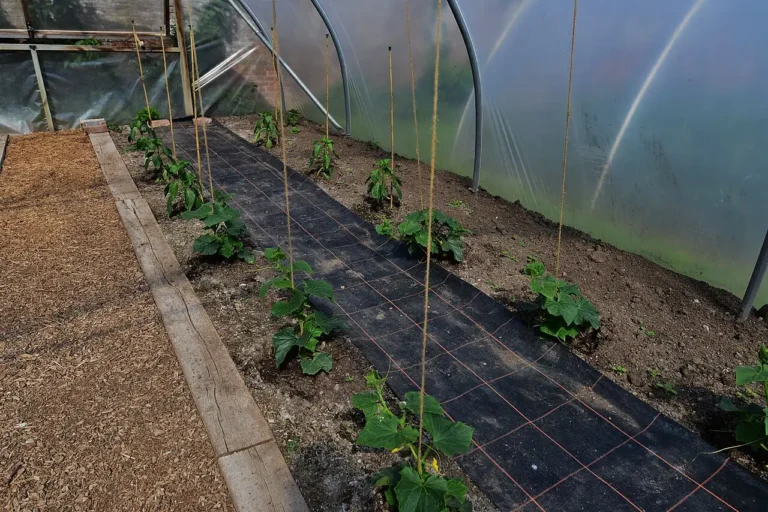
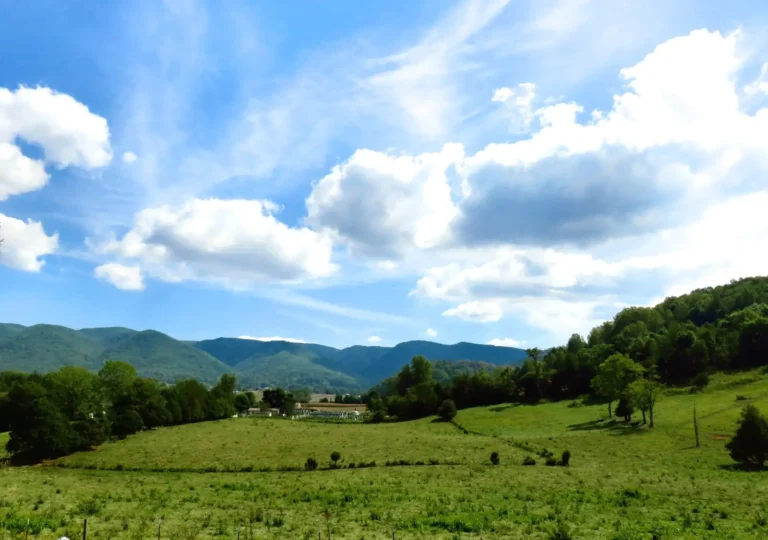
Photos: Shaded green lawn behind a house with shrubs and mature trees on a summer day: Nyttend, Public domain, via Wikimedia Commons; Farmland in Carter County, Tennessee, with the Iron Mountains on the horizon: Brian Stansberry, CC BY 3.0, via Wikimedia Commons; The Big South Fork of the Cumberland River in its forested gorge, Tennessee: ChristopherM (talk) (Uploads), CC BY 2.5, via Wikimedia Commons; Sunrise over forested ridges from the Oconaluftee Valley Overlook, Great Smoky Mountains: Great Smoky Mountains National Park from Gatlinburg, TN, Public domain, via Wikimedia Commons; Tomato plant with fruit in a garden: MavisLee, CC BY-SA 3.0, via Wikimedia Commons; Pepper plant in a kitchen garden loaded with green, yellow and red peppers: NPS, Public domain, via Wikimedia Commons; Long neat rows of green potato plants stretching across a farm field: Malcolm Neal, CC BY-SA 2.0, via Wikimedia Commons; Tall corn plants with golden tassels against a summer sky in a field: inkknife_2000, CC BY-SA 2.0, via Wikimedia Commons; Clusters of long green bean pods hanging from a climbing bean vine: Nirajan_pant, CC BY-SA 3.0, via Wikimedia Commons; Cucumber plants growing in a greenhouse bed: HARTLEPOOLMARINA2014, CC BY-SA 4.0, via Wikimedia Commons; Zucchini plant with a yellow flower: net_efekt from Oxford, UK, CC BY 2.0, via Wikimedia Commons; Heads of lettuce in a garden bed: Prenn, CC BY-SA 3.0, via Wikimedia Commons.