
Home › North Carolina › Lawn care calendar
North Carolina
North Carolina Lawn Care Calendar
N.C. Cooperative Extension says to seed tall fescue from mid August to early October and to seed bermudagrass from March to early July.
Photo: Freshly seeded front lawn turning green beside bare soil and a garden hose. HA1256, CC BY-SA 4.0, via Wikimedia Commons
What to do for your lawn this month

January
- Fertilize: Bermudagrass, centipedegrass, St. Augustinegrass and zoysiagrass.
February
- Seed (Piedmont): Tall fescue, Kentucky bluegrass and fine fescue.
- Fertilize: Bermudagrass, centipedegrass, Kentucky bluegrass, St. Augustinegrass, tall fescue and zoysiagrass.
- Fertilize (Coastal plain): Tall fescue.
- Fertilize (Piedmont): Fine fescue, Kentucky bluegrass, perennial ryegrass and tall fescue.
- Crabgrass preventer: Bermudagrass, St. Augustinegrass and zoysiagrass.
March
- Seed: Annual ryegrass, bermudagrass, zoysiagrass and centipedegrass.
- Seed (Coastal plain): Bahiagrass, centipedegrass and zoysiagrass.
- Seed (Piedmont): Bahiagrass, centipedegrass, tall fescue, Kentucky bluegrass and fine fescue.
- Sprigs: Bermudagrass, zoysiagrass, centipedegrass and St. Augustinegrass.
- Sprigs (Coastal plain): Bermudagrass, centipedegrass and zoysiagrass.
- Sprigs (Piedmont): Centipedegrass.
- Plugs: Zoysiagrass, centipedegrass and St. Augustinegrass.
- Fertilize: Kentucky bluegrass and tall fescue.
- Fertilize (Coastal plain): Tall fescue.
- Fertilize (Mountains): Fine fescue, Kentucky bluegrass, perennial ryegrass and tall fescue.
- Fertilize (Piedmont): Fine fescue, Kentucky bluegrass, perennial ryegrass and tall fescue.
- Crabgrass preventer: Bermudagrass, Kentucky bluegrass, tall fescue and zoysiagrass.
April
- Seed: Annual ryegrass, bermudagrass, zoysiagrass and centipedegrass.
- Seed (Coastal plain): Bahiagrass, bermudagrass, centipedegrass and zoysiagrass.
- Seed (Piedmont): Bahiagrass, bermudagrass, centipedegrass and zoysiagrass.
- Sod: Bermudagrass, zoysiagrass, centipedegrass and St. Augustinegrass.
- Sprigs: Bermudagrass, zoysiagrass, centipedegrass and St. Augustinegrass.
- Sprigs (Coastal plain): Bermudagrass, centipedegrass, St. Augustinegrass and zoysiagrass.
- Sprigs (Piedmont): Bermudagrass, centipedegrass, St. Augustinegrass and zoysiagrass.
- Plugs: Zoysiagrass, centipedegrass and St. Augustinegrass.
- Fertilize: Bermudagrass, Kentucky bluegrass and tall fescue.
- Fertilize (Coastal plain): Bermudagrass, St. Augustinegrass and zoysiagrass.
- Fertilize (Piedmont): Bermudagrass and zoysiagrass.
May
- Seed: Annual ryegrass, bermudagrass, zoysiagrass and centipedegrass.
- Seed (Coastal plain): Bahiagrass, bermudagrass, centipedegrass and zoysiagrass.
- Seed (Piedmont): Bahiagrass, bermudagrass, centipedegrass and zoysiagrass.
- Sod: Bermudagrass, zoysiagrass, centipedegrass and St. Augustinegrass.
- Sprigs: Bermudagrass, zoysiagrass, centipedegrass and St. Augustinegrass.
- Sprigs (Coastal plain): Bermudagrass, centipedegrass, St. Augustinegrass and zoysiagrass.
- Sprigs (Piedmont): Bermudagrass, centipedegrass, St. Augustinegrass and zoysiagrass.
- Plugs: St. Augustinegrass, zoysiagrass and centipedegrass.
- Fertilize: Bermudagrass, centipedegrass, Kentucky bluegrass, St. Augustinegrass and tall fescue.
- Fertilize (Coastal plain): Bermudagrass, centipedegrass, St. Augustinegrass and zoysiagrass.
- Fertilize (Mountains): Bermudagrass and zoysiagrass.
- Fertilize (Piedmont): Bermudagrass, centipedegrass, St. Augustinegrass and zoysiagrass.
- Dethatch: Bermudagrass and centipedegrass.
June
- Seed: Annual ryegrass, bermudagrass, zoysiagrass and centipedegrass.
- Seed (Coastal plain): Bahiagrass, bermudagrass, centipedegrass and zoysiagrass.
- Seed (Piedmont): Bahiagrass, bermudagrass, centipedegrass and zoysiagrass.
- Sod: Bermudagrass, zoysiagrass, centipedegrass and St. Augustinegrass.
- Sprigs: Bermudagrass, zoysiagrass, centipedegrass and St. Augustinegrass.
- Sprigs (Coastal plain): Bermudagrass, centipedegrass, St. Augustinegrass and zoysiagrass.
- Sprigs (Piedmont): Bermudagrass, centipedegrass, St. Augustinegrass and zoysiagrass.
- Plugs: Zoysiagrass, centipedegrass and St. Augustinegrass.
- Fertilize: Bermudagrass, Kentucky bluegrass, St. Augustinegrass, tall fescue and zoysiagrass.
- Fertilize (Coastal plain): Bermudagrass, St. Augustinegrass and zoysiagrass.
- Fertilize (Mountains): Bermudagrass.
- Fertilize (Piedmont): Bermudagrass and zoysiagrass.
- Dethatch: Zoysiagrass.
July
- Seed: Bermudagrass, zoysiagrass and centipedegrass.
- Seed (Coastal plain): Bermudagrass, centipedegrass and zoysiagrass.
- Seed (Piedmont): Bermudagrass, centipedegrass and zoysiagrass.
- Sod: Bermudagrass, zoysiagrass, centipedegrass and St. Augustinegrass.
- Sprigs: Bermudagrass, zoysiagrass, centipedegrass and St. Augustinegrass.
- Sprigs (Coastal plain): Bermudagrass, centipedegrass, St. Augustinegrass and zoysiagrass.
- Sprigs (Piedmont): Bermudagrass, centipedegrass, St. Augustinegrass and zoysiagrass.
- Plugs: Zoysiagrass, centipedegrass and St. Augustinegrass.
- Fertilize: Bermudagrass, Kentucky bluegrass, St. Augustinegrass, tall fescue and zoysiagrass.
- Fertilize (Coastal plain): Bermudagrass, St. Augustinegrass and zoysiagrass.
- Fertilize (Mountains): Bermudagrass and zoysiagrass.
- Fertilize (Piedmont): Bermudagrass, St. Augustinegrass and zoysiagrass.
- Dethatch: Zoysiagrass.
August
- Seed: Tall fescue, Kentucky bluegrass, fine fescue and perennial ryegrass.
- Seed (Mountains): Fine fescue, Kentucky bluegrass, perennial ryegrass and tall fescue.
- Seed (Piedmont): Kentucky bluegrass and fine fescue.
- Overseed (Western region): Kentucky bluegrass and tall fescue.
- Fertilize: Bermudagrass, centipedegrass, Kentucky bluegrass, St. Augustinegrass, tall fescue and zoysiagrass.
- Fertilize (Coastal plain): Bermudagrass, centipedegrass, St. Augustinegrass and zoysiagrass.
- Fertilize (Mountains): Bermudagrass, fine fescue, Kentucky bluegrass, perennial ryegrass, tall fescue and zoysiagrass.
- Fertilize (Piedmont): Bermudagrass, centipedegrass, St. Augustinegrass and zoysiagrass.
September
- Seed: Tall fescue, Kentucky bluegrass, fine fescue and perennial ryegrass.
- Seed (Coastal plain): Tall fescue.
- Seed (Mountains): Fine fescue, Kentucky bluegrass, perennial ryegrass and tall fescue.
- Seed (Piedmont): Kentucky bluegrass, fine fescue and tall fescue.
- Overseed (Coastal plain): Kentucky bluegrass and tall fescue.
- Overseed (Piedmont): Kentucky bluegrass and tall fescue.
- Overseed (Western region): Kentucky bluegrass and tall fescue.
- Fertilize: Bermudagrass, Kentucky bluegrass, St. Augustinegrass, tall fescue and zoysiagrass.
- Fertilize (Coastal plain): Bermudagrass, St. Augustinegrass and tall fescue.
- Fertilize (Mountains): Perennial ryegrass.
- Fertilize (Piedmont): Bermudagrass, fine fescue, Kentucky bluegrass, perennial ryegrass, St. Augustinegrass and tall fescue.
- Crabgrass preventer: Zoysiagrass.
- Aerate: Kentucky bluegrass and tall fescue.
October
- Seed: Tall fescue, Kentucky bluegrass, fine fescue and perennial ryegrass.
- Seed (Coastal plain): Tall fescue.
- Seed (Piedmont): Tall fescue.
- Overseed (Coastal plain): Kentucky bluegrass and tall fescue.
- Overseed (Piedmont): Kentucky bluegrass and tall fescue.
- Fertilize: Zoysiagrass.
- Fertilize (Coastal plain): Tall fescue.
- Fertilize (Mountains): Fine fescue, Kentucky bluegrass, perennial ryegrass and tall fescue.
- Fertilize (Piedmont): Fine fescue, Kentucky bluegrass, perennial ryegrass and tall fescue.
- Crabgrass preventer: Zoysiagrass.
- Aerate: Kentucky bluegrass and tall fescue.
November
- Fertilize: Kentucky bluegrass, tall fescue and zoysiagrass.
- Fertilize (Coastal plain): Tall fescue.
- Fertilize (Piedmont): Fine fescue, Kentucky bluegrass, perennial ryegrass and tall fescue.
- Crabgrass preventer: Zoysiagrass.
- Aerate: Kentucky bluegrass and tall fescue.
December
- Fertilize: Bermudagrass, centipedegrass, St. Augustinegrass and zoysiagrass.
This list uses the months printed in the extension publications. Rules based on soil temperature are listed separately below.
North Carolina lawn grasses by region
4 cool-season and 6 warm-season grasses are described for North Carolina in the publications below.
| Grass | Type | Where recommended | What the publication says | Source |
|---|---|---|---|---|
| Annual ryegrass | Cool-season | Statewide | Annual ryegrass is used only when a temporary turf cover is needed. It is never recommended for permanent lawn mixtures ... Annual ryegrass has been used by some homeowners to provide winter color for bermudagrass lawns. It is ... | AG-69, Cool-season Grasses |
| Fine fescue | Cool-season | Mountains and Piedmont | They are best adapted to the mountains but can be grown in the piedmont. They should not be used in the coastal plain. | AG-69, Cool-season Grasses |
| Kentucky bluegrass | Cool-season | Mountains and Piedmont | In North Carolina, it is well suited for the mountains and can be grown in combination with tall fescue in the piedmont. It is not suitable for use in the coastal plain. | AG-69, Cool-season Grasses; Tables 1a-1b |
| Perennial ryegrass | Cool-season | Mountains | Perennial ryegrass is similar in appearance to Kentucky bluegrass, but is only adapted to the mountains for use as a monostand turf. In North Carolina it is never seeded alone but always mixed with other grasses such as Kentucky ... | AG-69, Cool-season Grasses; Table 1a |
| Tall fescue | Cool-season | Mountains, Piedmont and Coastal plain | Tall fescue is best adapted to the mountains and piedmont but can be successfully maintained on the heavy silt loams in the coastal plain. ... It will not perform well in full sun in the coastal plain, especially if the soil is ... | AG-69, Cool-season Grasses; Tables 1a-1c |
| Bahiagrass | Warm-season | Piedmont and Coastal plain | Bahiagrass is seldom recommended as a lawn grass because of its open canopy, unsightly seedheads, and difficulty in mowing. It is best used as a utility turfgrass where appearance is not a concern and low maintenance is the rule. ... | AG-69, Warm-season Grasses; Tables 1b-1c |
| Bermudagrass | Warm-season | Piedmont and Coastal plain | Bermudagrass, zoysiagrass, centipedegrass, St. Augustinegrass, carpetgrass, and bahiagrass are classified as warm-season perennial grasses. All except bahiagrass are mostly recommended for lawns in the piedmont and coastal plain ... | AG-69, Warm-season Grasses; Tables 1b-1c |
| Carpetgrass | Warm-season | Piedmont and Coastal plain | All except bahiagrass are mostly recommended for lawns in the piedmont and coastal plain of North Carolina. ... It grows well in full sun to moderate shade and performs well in wet, shaded, acid soils where other lawngrasses may ... | AG-69, Warm-season Grasses (not in Tables 1-3) |
| Centipedegrass | Warm-season | Piedmont and Coastal plain | It is more commonly grown in the region that is east of Interstate 95 in North Carolina. (AG-69 lists centipedegrass in Tables 1b/1c for the piedmont and coastal plain.) | AG-381, More About Centipedegrass |
| St. Augustinegrass | Warm-season | Coastal plain and Piedmont | St. Augustinegrass is a fast-growing turfgrass best adapted to the coastal plain. ... The cultivar Raleigh has the best cold tolerance and is well adapted for the eastern side of the piedmont and the western side of the coastal ... | AG-69, Warm-season Grasses; Tables 1b-1c |
| Zoysiagrass | Warm-season | Piedmont and Coastal plain | Zoysiagrass grows best in full sun or partial shade and is well adapted to the piedmont and coastal plain. | AG-432, More About Zoysiagrass |
When to seed or sod a North Carolina lawn
| Task | Grass | Region | When | Published text | Source |
|---|---|---|---|---|---|
| Seed | Annual ryegrass | Statewide | late March to June | If you plan to seed a cool-season grass in the fall, such as tall fescue or Kentucky bluegrass, and your lawn site is ready for seeding in late March, April, May, or June, you can obtain a weak, temporary cover to hold the soil ... | AG-69, When to Plant: Cool-season grasses |
| Seed | Bahiagrass | Piedmont | March to June | Table 2b. Planting dates and rates for cool- and warm-season grasses in the North Carolina piedmont. Bahiagrass: Optimum Planting Date March to June; Seed (pounds) 5; Sprigs for Space Planting (bushels) -; Sprigs for Broadcast ... | AG-69, Table 2b |
| Seed | Bahiagrass | Coastal plain | March to June | Table 2c. Planting dates and rates for cool- and warm-season grasses in the North Carolina coastal plain. Bahiagrass: Optimum Planting Date March to June; Seed (pounds) 5; Sprigs for Space Planting (bushels) -; Sprigs for ... | AG-69, Table 2c |
| Seed | Bermudagrass | Statewide | late May | In late May, start replanting bare or worn areas using sod or sprigs (three to five bushels per 1,000 square feet). Common bermudagrass can be planted using bermudagrass seed at 1 to 2 pounds per 1,000 square feet. (1 to 2 lb per ... | AG-431, March Through May: Renovation |
| Seed | Bermudagrass | Piedmont | April to July | Table 2b. Planting dates and rates for cool- and warm-season grasses in the North Carolina piedmont. Bermudagrass: Optimum Planting Date April to July; Seed (pounds) 1 to 2; Sprigs for Space Planting (bushels) 0.75; Sprigs for ... | AG-69, Table 2b |
| Seed | Bermudagrass | Coastal plain | April to July | Table 2c. Planting dates and rates for cool- and warm-season grasses in the North Carolina coastal plain. Bermudagrass: Optimum Planting Date April to July; Seed (pounds) 1 to 2; Sprigs for Space Planting (bushels) 0.75; Sprigs ... | AG-69, Table 2c |
| Seed | Bermudagrass, zoysiagrass and centipedegrass | Statewide | March to early July | Seeding: Warm-season grasses may be seeded successfully between March 1 and July 1, depending on the species used. See Tables 2a, 2b, and 2c for different species and locations. | AG-69, When to Plant: Warm-season grasses |
| Seed | Centipedegrass | Statewide | May | Replant bare areas in May (or when daytime temperatures are continually above 60°F) using seed (¹⁄₄ to ¹⁄₂ pound per 1,000 square feet) or sprigs (³⁄₄ bushel per 1,000 square feet). (¼ to ½ lb per 1,000 sq ft) | AG-381, March Through May: Renovation |
| Seed | Centipedegrass | Piedmont | March to July | Table 2b. Planting dates and rates for cool- and warm-season grasses in the North Carolina piedmont. Centipedegrass: Optimum Planting Date March to July; Seed (pounds) 0.25 to 0.50; Sprigs for Space Planting (bushels) 1 to 2b; ... | AG-69, Table 2b |
| Seed | Centipedegrass | Coastal plain | March to July | Table 2c. Planting dates and rates for cool- and warm-season grasses in the North Carolina coastal plain. Centipedegrass: Optimum Planting Date March to July; Seed (pounds) 0.25 to 0.50; Sprigs for Space Planting (bushels) 1 to ... | AG-69, Table 2c |
| Seed | Fine fescue | Mountains | mid August to early September | Table 2a. Planting dates and rates for cool- and warm-season grasses in the North Carolina mountains. Kentucky bluegrass/fine fescue mix: Optimum Planting Date Aug. 15 to Sept. 1; Seed (pounds) 1.5 + 1.5; Sprigs for Space ... | AG-69, Table 2a |
| Seed | Kentucky bluegrass | Mountains | mid August to early September | Table 2a. Planting dates and rates for cool- and warm-season grasses in the North Carolina mountains. Kentucky bluegrass: Optimum Planting Date Aug. 15 to Sept. 1; Seed (pounds) 1.5 to 2; Sprigs for Space Planting (bushels) -; ... | AG-69, Table 2a |
| Seed | Kentucky bluegrass | Mountains | mid August to early September | Table 2a. Planting dates and rates for cool- and warm-season grasses in the North Carolina mountains. Kentucky bluegrass/tall fescue mix: Optimum Planting Date Aug. 15 to Sept. 1; Seed (pounds) 1 + 5; Sprigs for Space Planting ... | AG-69, Table 2a |
| Seed | Kentucky bluegrass | Piedmont | mid September | Table 2b. Planting dates and rates for cool- and warm-season grasses in the North Carolina piedmont. Kentucky bluegrass/tall fescue mix: Optimum Planting Date Sept. 1 to Sept. 15; Seed (pounds) 1 + 5; Sprigs for Space Planting ... | AG-69, Table 2b |
| Seed | Kentucky bluegrass and fine fescue | Mountains | mid August to early September | Table 2a. Planting dates and rates for cool- and warm-season grasses in the North Carolina mountains. Kentucky bluegrass/tall fescue/fine fescue mix: Optimum Planting Date Aug. 15 to Sept. 1; Seed (pounds) 1 + 5 + 1; Sprigs for ... | AG-69, Table 2a |
| Seed | Kentucky bluegrass and fine fescue | Piedmont | mid August to mid September | Table 2b. Planting dates and rates for cool- and warm-season grasses in the North Carolina piedmont. Kentucky bluegrass/tall fescue/fine fescue mix: Optimum Planting Date Aug. 15 to Sept. 15; Seed (pounds) 1 + 5 + 1; Sprigs for ... | AG-69, Table 2b |
| Seed | Perennial ryegrass | Mountains | mid August to early September | Table 2a. Planting dates and rates for cool- and warm-season grasses in the North Carolina mountains. Kentucky bluegrass/perennial ryegrass mix: Optimum Planting Date Aug. 15 to Sept. 1; Seed (pounds) 1.5 + 1; Sprigs for Space ... | AG-69, Table 2a |
| Seed | Tall fescue | Mountains | mid August to early September | Table 2a. Planting dates and rates for cool- and warm-season grasses in the North Carolina mountains. Tall fescue: Optimum Planting Date Aug. 15 to Sept. 1; Seed (pounds) 6; Sprigs for Space Planting (bushels) -; Sprigs for ... | AG-69, Table 2a |
| Seed | Tall fescue | Piedmont | September to early October | Table 2b. Planting dates and rates for cool- and warm-season grasses in the North Carolina piedmont. Tall fescue: Optimum Planting Date Sept. 1 to Oct. 1; Seed (pounds) 6; Sprigs for Space Planting (bushels) -; Sprigs for ... | AG-69, Table 2b |
| Seed | Tall fescue | Coastal plain | mid September to mid October | Table 2c. Planting dates and rates for cool- and warm-season grasses in the North Carolina coastal plain. Tall fescue: Optimum Planting Date Sept. 15 to Oct. 15; Seed (pounds) 6; Sprigs for Space Planting (bushels) -; Sprigs for ... | AG-69, Table 2c |
| Seed | Tall fescue | Coastal plain | See text | If seeding of a cool-season grass is not accomplished in the fall, your best alternative date for the piedmont is mid-February to early March. Coastal plain areas would be seeded two weeks earlier, whereas the mountain areas ... | AG-69, When to Plant: Cool-season grasses |
| Seed | Tall fescue, Kentucky bluegrass and fine fescue | Piedmont | mid February to early March | If seeding of a cool-season grass is not accomplished in the fall, your best alternative date for the piedmont is mid-February to early March. Coastal plain areas would be seeded two weeks earlier, whereas the mountain areas ... | AG-69, When to Plant: Cool-season grasses |
| Seed | Tall fescue, Kentucky bluegrass, fine fescue and perennial ryegrass | Statewide | mid August to early October | Cool-season grasses are best seeded from mid-August to October 1, depending on location (see Tables 2a, 2b, and 2c). Seeding beyond these dates increases the chance of failure caused by winter injury. | AG-69, When to Plant: Cool-season grasses |
| Seed | Tall fescue, Kentucky bluegrass, fine fescue and perennial ryegrass | Mountains | See text | If seeding of a cool-season grass is not accomplished in the fall, your best alternative date for the piedmont is mid-February to early March. Coastal plain areas would be seeded two weeks earlier, whereas the mountain areas ... | AG-69, When to Plant: Cool-season grasses |
| Seed | Zoysiagrass | Coastal plain | March to July | Table 2c. Planting dates and rates for cool- and warm-season grasses in the North Carolina coastal plain. Zoysiagrass: Optimum Planting Date March to July; Seed (pounds) 1 to 2; Sprigs for Space Planting (bushels) 1 to 2b; Sprigs ... | AG-69, Table 2c |
| Seed | Zoysiagrass | Piedmont | April to July | Table 2b. Planting dates and rates for cool- and warm-season grasses in the North Carolina piedmont. Zoysiagrass: Optimum Planting Date April to July; Seed (pounds) 1 to 2; Sprigs for Space Planting (bushels) 1 to 2b; Sprigs for ... | AG-69, Table 2b |
| Sod | Bermudagrass | Statewide | late May | In late May, start replanting bare or worn areas using sod or sprigs (three to five bushels per 1,000 square feet). Common bermudagrass can be planted using bermudagrass seed at 1 to 2 pounds per 1,000 square feet. | AG-431, March Through May: Renovation |
| Sod | Bermudagrass, zoysiagrass, centipedegrass and St. Augustinegrass | Statewide | April to early July | Sodding: Warm-season grasses are best established by sodding at the same dates suggested for seeding, about April until July 1. Sod will not produce roots unless the soil temperature exceeds 55°F for several weeks. | AG-69, When to Plant: Warm-season grasses |
| Sod | Tall fescue and Kentucky bluegrass | Statewide | See text | Sodding: You may successfully install a cool-season grass sod anytime in the cooler portions of the growing season when the ground is not frozen and anytime during the warmest times of the year with careful water management. | AG-69, When to Plant: Cool-season grasses |
| Sod | Zoysiagrass | Statewide | See text | Replant large areas using zoysiagrass sod or plugs. Plugs should be planted on 6- or 12-inch centers (see Carolina Lawns, AG-69). | AG-432, March Through May: Renovation |
| Sprigs | Bermudagrass | Statewide | late May | In late May, start replanting bare or worn areas using sod or sprigs (three to five bushels per 1,000 square feet). Common bermudagrass can be planted using bermudagrass seed at 1 to 2 pounds per 1,000 square feet. (3 to 5 ... | AG-431, March Through May: Renovation |
| Sprigs | Bermudagrass | Coastal plain | March to July | Table 2c. Planting dates and rates for cool- and warm-season grasses in the North Carolina coastal plain. Bermudagrass (hybrid): Optimum Planting Date March to July; Seed (pounds) -; Sprigs for Space Planting (bushels) 0.75; ... | AG-69, Table 2c |
| Sprigs | Bermudagrass | Piedmont | April to July | Table 2b. Planting dates and rates for cool- and warm-season grasses in the North Carolina piedmont. Bermudagrass: Optimum Planting Date April to July; Seed (pounds) 1 to 2; Sprigs for Space Planting (bushels) 0.75; Sprigs for ... | AG-69, Table 2b |
| Sprigs | Bermudagrass | Piedmont | April to July | Table 2b. Planting dates and rates for cool- and warm-season grasses in the North Carolina piedmont. Bermudagrass (hybrid): Optimum Planting Date April to July; Seed (pounds) -; Sprigs for Space Planting (bushels) 0.75; Sprigs ... | AG-69, Table 2b |
| Sprigs | Bermudagrass | Coastal plain | April to July | Table 2c. Planting dates and rates for cool- and warm-season grasses in the North Carolina coastal plain. Bermudagrass: Optimum Planting Date April to July; Seed (pounds) 1 to 2; Sprigs for Space Planting (bushels) 0.75; Sprigs ... | AG-69, Table 2c |
| Sprigs | Bermudagrass, zoysiagrass, centipedegrass and St. Augustinegrass | Statewide | March to July | Vegetative: Warm-season grasses may be planted vegetatively (by sprigs or plugs) from March through July. | AG-69, When to Plant: Warm-season grasses |
| Sprigs | Centipedegrass | Statewide | May | Replant bare areas in May (or when daytime temperatures are continually above 60°F) using seed (¹⁄₄ to ¹⁄₂ pound per 1,000 square feet) or sprigs (³⁄₄ bushel per 1,000 square feet). (¾ bushel per 1,000 sq ft) | AG-381, March Through May: Renovation |
| Sprigs | Centipedegrass | Piedmont | March to July | Table 2b. Planting dates and rates for cool- and warm-season grasses in the North Carolina piedmont. Centipedegrass: Optimum Planting Date March to July; Seed (pounds) 0.25 to 0.50; Sprigs for Space Planting (bushels) 1 to 2b; ... | AG-69, Table 2b |
| Sprigs | Centipedegrass | Coastal plain | March to July | Table 2c. Planting dates and rates for cool- and warm-season grasses in the North Carolina coastal plain. Centipedegrass: Optimum Planting Date March to July; Seed (pounds) 0.25 to 0.50; Sprigs for Space Planting (bushels) 1 to ... | AG-69, Table 2c |
| Sprigs | St. Augustinegrass | Statewide | May | Replant large bare areas in May (or when daytime temperatures are continually above 60°F) using plugs planted on 12- to 24-inch centers or sprigs (with space between plants) at the rate of 1¹⁄₂ bushels per 1,000 square feet. (1½ ... | AG-540, March Through May: Renovation |
| Sprigs | St. Augustinegrass | Piedmont | April to July | Table 2b. Planting dates and rates for cool- and warm-season grasses in the North Carolina piedmont. St. Augustinegrass: Optimum Planting Date April to July; Seed (pounds) -; Sprigs for Space Planting (bushels) 1.0; Sprigs for ... | AG-69, Table 2b |
| Sprigs | St. Augustinegrass | Coastal plain | April to July | Table 2c. Planting dates and rates for cool- and warm-season grasses in the North Carolina coastal plain. St. Augustinegrass: Optimum Planting Date April to July; Seed (pounds) -; Sprigs for Space Planting (bushels) -; Sprigs for ... | AG-69, Table 2c |
| Sprigs | Zoysiagrass | Coastal plain | March to July | Table 2c. Planting dates and rates for cool- and warm-season grasses in the North Carolina coastal plain. Zoysiagrass: Optimum Planting Date March to July; Seed (pounds) 1 to 2; Sprigs for Space Planting (bushels) 1 to 2b; Sprigs ... | AG-69, Table 2c |
| Sprigs | Zoysiagrass | Piedmont | April to July | Table 2b. Planting dates and rates for cool- and warm-season grasses in the North Carolina piedmont. Zoysiagrass: Optimum Planting Date April to July; Seed (pounds) 1 to 2; Sprigs for Space Planting (bushels) 1 to 2b; Sprigs for ... | AG-69, Table 2b |
| Plugs | St. Augustinegrass | Statewide | May | Replant large bare areas in May (or when daytime temperatures are continually above 60°F) using plugs planted on 12- to 24-inch centers or sprigs (with space between plants) at the rate of 1¹⁄₂ bushels per 1,000 square feet. | AG-540, March Through May: Renovation |
| Plugs | Zoysiagrass | Statewide | See text | Replant large areas using zoysiagrass sod or plugs. Plugs should be planted on 6- or 12-inch centers (see Carolina Lawns, AG-69). | AG-432, March Through May: Renovation |
| Plugs | Zoysiagrass, centipedegrass and St. Augustinegrass | Statewide | March to July | Vegetative: Warm-season grasses may be planted vegetatively (by sprigs or plugs) from March through July. ... Plugging is planting individual pieces (2 inches or larger) of sod on 6-inch to 24-inch centers. ... Zoysiagrass, St. ... | AG-69, When to Plant; How to Plant |
| Overseed | Annual ryegrass | Statewide | See text | Annual ryegrass has been used by some homeowners to provide winter color for bermudagrass lawns. It is never recommended for overseeding other warm-season grasses. ... Because annual ryegrass is an annual, it must be re-seeded ... | AG-69, Cool-season Grasses |
| Overseed | Kentucky bluegrass | Western region | mid August to early September | Western region only! Overseed thin, bare areas as weather cools (August 15 to September 1). Lawns may be aerated as part of the renovation process. Use a blend of "turf type" tall fescue cultivars at 6 pounds of seed per 1,000 ... | AG-930, June Through August: Renovation |
| Overseed | Kentucky bluegrass | Piedmont | September to early October | Piedmont and coastal plain regions only! Overseed thin, bare areas as weather cools (September 1 to October 1). Use a blend of “turf type” tall fescue cultivars at 6 pounds of seed per 1,000 square feet. (6 lb tall fescue seed ... | AG-930, September Through November: Renovation |
| Overseed | Kentucky bluegrass | Coastal plain | September to early October | Piedmont and coastal plain regions only! Overseed thin, bare areas as weather cools (September 1 to October 1). Use a blend of “turf type” tall fescue cultivars at 6 pounds of seed per 1,000 square feet. (6 lb tall fescue seed ... | AG-930, September Through November: Renovation |
| Overseed | Tall fescue | Statewide | See text | Late summer to early fall is the best time to renovate cool-season lawns. Warm-season lawns are best renovated in late spring to early summer. | AG-69, Renovating a Lawn: When to Renovate |
| Overseed | Tall fescue | Western region | mid August to early September | Western region only! Overseed thin, bare areas as weather cools (August 15 to September 1). Lawns may be aerated as part of the renovation process. Use a blend of “turf type” tall fescue cultivars at 6 pounds of seed per 1,000 ... | AG-367, June Through August: Renovation |
| Overseed | Tall fescue | Piedmont | September to early October | Piedmont and coastal plain regions only! Overseed thin, bare areas as weather cools (September 1 to October 1). Use a blend of “turf type” tall fescue cultivars at 6 pounds of seed per 1,000 square feet. (6 lb tall fescue seed ... | AG-367, September Through November: Renovation |
| Overseed | Tall fescue | Coastal plain | September to early October | Piedmont and coastal plain regions only! Overseed thin, bare areas as weather cools (September 1 to October 1). Use a blend of “turf type” tall fescue cultivars at 6 pounds of seed per 1,000 square feet. (6 lb tall fescue seed ... | AG-367, September Through November: Renovation |
Fertilizing North Carolina lawns by grass
| Task | Grass | Region | When | Published text | Source |
|---|---|---|---|---|---|
| Fertilize | Bermudagrass | Statewide | April to May | In the absence of a soil test, apply ¹⁄₂ to 1 pound of nitrogen (N) per 1,000 square feet several weeks after the lawn turns fully green (typically between early April and May). (½ to 1 lb N per 1,000 sq ft (absent soil test)) | AG-431, March Through May: Fertilization |
| Fertilize | Bermudagrass | Statewide | June to August | Apply 1 pound of N per 1,000 square feet every four to six weeks using the March to May fertilization guidelines. (1 lb N per 1,000 sq ft every 4 to 6 weeks) | AG-431, June Through August: Fertilization |
| Fertilize | Bermudagrass | Statewide | September | To minimize spring dead spot, apply no more than ¹⁄₂ pound N per 1,000 square feet in September, or four weeks before the first expected frost. Use a low N, high potassium fertilizer like 5-10-30, or supplement with 1 pound of ... | AG-431, September Through November: Fertilization |
| Fertilize | Bermudagrass | Statewide | December to February | DO NOT fertilize at this time. (none) | AG-431, December Through February: Fertilization |
| Fertilize | Bermudagrass | Mountains | May and July | Table 3a. Suggested maintenance fertilization of established lawns in the mountains. Bermudagrass, Basic program: May 1, Jul 1 lb N/1,000 sq ft; Total lb N Per 1,000 sq ft/yr 2. (1 lb N per 1,000 sq ft (Basic program; 2 ... | AG-69, Table 3a |
| Fertilize | Bermudagrass | Mountains | May, June, July and August | Table 3a. Suggested maintenance fertilization of established lawns in the mountains. Bermudagrass, High program: May 1, Jun 1, Jul 1, Aug 1 lb N/1,000 sq ft; Total lb N Per 1,000 sq ft/yr 4. (1 lb N per 1,000 sq ft (High program; ... | AG-69, Table 3a |
| Fertilize | Bermudagrass | Piedmont | May, July and September | Table 3b. Suggested maintenance fertilization of established lawns in the piedmont. Bermudagrass, Basic program: May 1, Jul 1, Sep 1 lb N/1,000 sq ft; Total lb N Per 1,000 sq ft/yr 3. (1 lb N per 1,000 sq ft (Basic program; 3 ... | AG-69, Table 3b |
| Fertilize | Bermudagrass | Piedmont | April, May, June, July, August and September | Table 3b. Suggested maintenance fertilization of established lawns in the piedmont. Bermudagrass, High program: Apr 1, May 1, Jun 1, Jul 1, Aug 1, Sep 1 lb N/1,000 sq ft; Total lb N Per 1,000 sq ft/yr 6. (1 lb N per 1,000 sq ft ... | AG-69, Table 3b |
| Fertilize | Bermudagrass | Coastal plain | April, June and August | Table 3c. Suggested maintenance fertilization of established lawns in the coastal region. Bermudagrass, Basic program: Apr 1, Jun 1, Aug 1 lb N/1,000 sq ft; Total lb N Per 1,000 sq ft/yr 3. (1 lb N per 1,000 sq ft (Basic program; ... | AG-69, Table 3c |
| Fertilize | Bermudagrass | Coastal plain | April, May, June, July, August and September | Table 3c. Suggested maintenance fertilization of established lawns in the coastal region. Bermudagrass, High program: Apr 1, May 1, Jun 1, Jul 1, Aug 1, Sep 1 lb N/1,000 sq ft; Total lb N Per 1,000 sq ft/yr 6. (1 lb N per 1,000 ... | AG-69, Table 3c |
| Fertilize | Carpetgrass | Statewide | See text | Carpetgrass requires only 1 pound of nitrogen per 1,000 sq ft annually, and needs to be mowed only infrequently at 1.5 inches. (1 lb N per 1,000 sq ft per year) | AG-69, Warm-season Grasses |
| Fertilize | Centipedegrass | Statewide | mid May | DO NOT apply nitrogen (N) before mid-May. Fertilize with 1 pound of N per 1,000 square feet in mid-May for a basic fertilizer program. (1 lb N per 1,000 sq ft (basic program)) | AG-381, March Through May: Fertilization |
| Fertilize | Centipedegrass | Statewide | mid August | Apply 1 pound of N per 1,000 square feet in mid-August if fertilization beyond a basic program is needed, particularly in the coastal plain region. (1 lb N per 1,000 sq ft (beyond basic program)) | AG-381, June Through August: Fertilization |
| Fertilize | Centipedegrass | Statewide | December to February | DO NOT fertilize centipedegrass at this time. (none) | AG-381, December Through February: Fertilization |
| Fertilize | Centipedegrass | Statewide | See text | It requires little fertilizer once established (0.5 to 1 pound of nitrogen per 1,000 sq ft per year) ... (0.5 to 1 lb N per 1,000 sq ft per year) | AG-69, Warm-season Grasses |
| Fertilize | Centipedegrass | Statewide | See text | Four to six weeks before the first expected frost, apply 1 pound of potassium (K₂O) per 1,000 square feet using 1½ pounds of muriate of potash (0-0-60) or 2 pounds of potassium sulfate (0-0-50). (1 lb potassium (K2O) per 1,000 sq ... | AG-381, September Through November: Fertilization |
| Fertilize | Centipedegrass | Piedmont | May | Table 3b. Suggested maintenance fertilization of established lawns in the piedmont. Centipedegrass, Basic program: May 1 lb N/1,000 sq ft; Total lb N Per 1,000 sq ft/yr 1. (1 lb N per 1,000 sq ft (Basic program; 1 applications, 1 ... | AG-69, Table 3b |
| Fertilize | Centipedegrass | Coastal plain | May | Table 3c. Suggested maintenance fertilization of established lawns in the coastal region. Centipedegrass, Basic program: May 1 lb N/1,000 sq ft; Total lb N Per 1,000 sq ft/yr 1. (1 lb N per 1,000 sq ft (Basic program; 1 ... | AG-69, Table 3c |
| Fertilize | Centipedegrass | Piedmont | May and August | Table 3b. Suggested maintenance fertilization of established lawns in the piedmont. Centipedegrass, High program: May 1, Aug 1 lb N/1,000 sq ft; Total lb N Per 1,000 sq ft/yr 2. (1 lb N per 1,000 sq ft (High program; 2 ... | AG-69, Table 3b |
| Fertilize | Centipedegrass | Coastal plain | May and August | Table 3c. Suggested maintenance fertilization of established lawns in the coastal region. Centipedegrass, High program: May 1, Aug 1 lb N/1,000 sq ft; Total lb N Per 1,000 sq ft/yr 2. (1 lb N per 1,000 sq ft (High program; 2 ... | AG-69, Table 3c |
| Fertilize | Fine fescue | Piedmont | September | Table 3b. Suggested maintenance fertilization of established lawns in the piedmont. Kentucky bluegrass / fine fescue mix, Basic program: Feb 0.5, Sep 1, Nov 0.5 lb N/1,000 sq ft; Total lb N Per 1,000 sq ft/yr 2. (1 lb N per 1,000 ... | AG-69, Table 3b |
| Fertilize | Fine fescue | Mountains | March and August | Table 3a. Suggested maintenance fertilization of established lawns in the mountains. Kentucky bluegrass / fine fescue mix, Basic program: Mar 1, Aug 1 lb N/1,000 sq ft; Total lb N Per 1,000 sq ft/yr 2. (1 lb N per 1,000 sq ft ... | AG-69, Table 3a |
| Fertilize | Fine fescue | Mountains | March, August and October | Table 3a. Suggested maintenance fertilization of established lawns in the mountains. Kentucky bluegrass / fine fescue mix, High program: Mar 1, Aug 1, Oct 1 lb N/1,000 sq ft; Total lb N Per 1,000 sq ft/yr 3. (1 lb N per 1,000 sq ... | AG-69, Table 3a |
| Fertilize | Fine fescue | Piedmont | February and November | Table 3b. Suggested maintenance fertilization of established lawns in the piedmont. Kentucky bluegrass / fine fescue mix, Basic program: Feb 0.5, Sep 1, Nov 0.5 lb N/1,000 sq ft; Total lb N Per 1,000 sq ft/yr 2. (0.5 lb N per ... | AG-69, Table 3b |
| Fertilize | Fine fescue | Piedmont | February, September and October | Table 3b. Suggested maintenance fertilization of established lawns in the piedmont. Kentucky bluegrass / fine fescue mix, High program: Feb 1, Mar 0.5, Sep 1, Oct 1, Nov 0.5 lb N/1,000 sq ft; Total lb N Per 1,000 sq ft/yr 4. (1 ... | AG-69, Table 3b |
| Fertilize | Fine fescue | Piedmont | March and November | Table 3b. Suggested maintenance fertilization of established lawns in the piedmont. Kentucky bluegrass / fine fescue mix, High program: Feb 1, Mar 0.5, Sep 1, Oct 1, Nov 0.5 lb N/1,000 sq ft; Total lb N Per 1,000 sq ft/yr 4. (0.5 ... | AG-69, Table 3b |
| Fertilize | Kentucky bluegrass | Statewide | February | December Through February. Fertilization: Fertilize with 1 pound of N per 1,000 square feet in February. (1 lb N per 1,000 sq ft) | AG-930, December Through February: Fertilization |
| Fertilize | Kentucky bluegrass | Statewide | March to May | Fertilize as needed to promote color and recovery from damage (such as pests, traffic, or early disease). If fertilized, rates should generally be between ¹⁄₅ and ¹⁄₂ pound of nitrogen (N) per 1,000 square feet, with lower ... | AG-930, March Through May: Fertilization |
| Fertilize | Kentucky bluegrass | Statewide | June to August | Fertilize as needed to promote color and recovery from damage. If fertilizing, rates should generally be between ¹⁄₅ and ¹⁄₂ pound of N per 1,000 square feet. (1/5 to 1/2 lb N per 1,000 sq ft, as needed) | AG-930, June Through August: Fertilization |
| Fertilize | Kentucky bluegrass | Statewide | mid September and November | For a basic level of fertility, fertilize with 1 pound of N per 1,000 square feet in mid-September and again in November (about the time the grass is green but not actively growing). (1 lb N per 1,000 sq ft) | AG-930, September Through November: Fertilization |
| Fertilize | Kentucky bluegrass | Piedmont | September | Table 3b. Suggested maintenance fertilization of established lawns in the piedmont. Kentucky bluegrass, Basic program: Feb 0.5, Sep 1, Nov 0.5 lb N/1,000 sq ft; Total lb N Per 1,000 sq ft/yr 2. (1 lb N per 1,000 sq ft (Basic ... | AG-69, Table 3b |
| Fertilize | Kentucky bluegrass | Mountains | March and August | Table 3a. Suggested maintenance fertilization of established lawns in the mountains. Kentucky bluegrass, Basic program: Mar 1, Aug 1 lb N/1,000 sq ft; Total lb N Per 1,000 sq ft/yr 2. (1 lb N per 1,000 sq ft (Basic program; 2 ... | AG-69, Table 3a |
| Fertilize | Kentucky bluegrass | Mountains | March, August and October | Table 3a. Suggested maintenance fertilization of established lawns in the mountains. Kentucky bluegrass, High program: Mar 1, Aug 1, Oct 1 lb N/1,000 sq ft; Total lb N Per 1,000 sq ft/yr 3. (1 lb N per 1,000 sq ft (High program; ... | AG-69, Table 3a |
| Fertilize | Kentucky bluegrass | Piedmont | February and November | Table 3b. Suggested maintenance fertilization of established lawns in the piedmont. Kentucky bluegrass, Basic program: Feb 0.5, Sep 1, Nov 0.5 lb N/1,000 sq ft; Total lb N Per 1,000 sq ft/yr 2. (0.5 lb N per 1,000 sq ft (Basic ... | AG-69, Table 3b |
| Fertilize | Kentucky bluegrass | Piedmont | February, September and October | Table 3b. Suggested maintenance fertilization of established lawns in the piedmont. Kentucky bluegrass, High program: Feb 1, Mar 0.5, Sep 1, Oct 1, Nov 0.5 lb N/1,000 sq ft; Total lb N Per 1,000 sq ft/yr 4. (1 lb N per 1,000 sq ... | AG-69, Table 3b |
| Fertilize | Kentucky bluegrass | Piedmont | March and November | Table 3b. Suggested maintenance fertilization of established lawns in the piedmont. Kentucky bluegrass, High program: Feb 1, Mar 0.5, Sep 1, Oct 1, Nov 0.5 lb N/1,000 sq ft; Total lb N Per 1,000 sq ft/yr 4. (0.5 lb N per 1,000 sq ... | AG-69, Table 3b |
| Fertilize | Perennial ryegrass | Mountains | October | Table 3a. Suggested maintenance fertilization of established lawns in the mountains. Kentucky bluegrass / perennial ryegrass mix, Basic program: Mar 1, Aug 1, Oct 0.5 lb N/1,000 sq ft; Total lb N Per 1,000 sq ft/yr 2.5. (0.5 lb N ... | AG-69, Table 3a |
| Fertilize | Perennial ryegrass | Mountains | October | Table 3a. Suggested maintenance fertilization of established lawns in the mountains. Kentucky bluegrass / perennial ryegrass mix, High program: Mar 1, Aug 1, Sep 1, Oct 0.5 lb N/1,000 sq ft; Total lb N Per 1,000 sq ft/yr 3.5. ... | AG-69, Table 3a |
| Fertilize | Perennial ryegrass | Mountains | March and August | Table 3a. Suggested maintenance fertilization of established lawns in the mountains. Kentucky bluegrass / perennial ryegrass mix, Basic program: Mar 1, Aug 1, Oct 0.5 lb N/1,000 sq ft; Total lb N Per 1,000 sq ft/yr 2.5. (1 lb N ... | AG-69, Table 3a |
| Fertilize | Perennial ryegrass | Mountains | March, August and September | Table 3a. Suggested maintenance fertilization of established lawns in the mountains. Kentucky bluegrass / perennial ryegrass mix, High program: Mar 1, Aug 1, Sep 1, Oct 0.5 lb N/1,000 sq ft; Total lb N Per 1,000 sq ft/yr 3.5. (1 ... | AG-69, Table 3a |
| Fertilize | Perennial ryegrass | Piedmont | February, September and November | Table 3b. Suggested maintenance fertilization of established lawns in the piedmont. Kentucky bluegrass / perennial ryegrass mix, Basic program: Feb 1, Sep 1, Nov 1 lb N/1,000 sq ft; Total lb N Per 1,000 sq ft/yr 3. (1 lb N per ... | AG-69, Table 3b |
| Fertilize | Perennial ryegrass | Piedmont | February, September and October | Table 3b. Suggested maintenance fertilization of established lawns in the piedmont. Kentucky bluegrass / perennial ryegrass mix, High program: Feb 1, Mar 0.5, Sep 1, Oct 1, Nov 0.5 lb N/1,000 sq ft; Total lb N Per 1,000 sq ft/yr ... | AG-69, Table 3b |
| Fertilize | Perennial ryegrass | Piedmont | March and November | Table 3b. Suggested maintenance fertilization of established lawns in the piedmont. Kentucky bluegrass / perennial ryegrass mix, High program: Feb 1, Mar 0.5, Sep 1, Oct 1, Nov 0.5 lb N/1,000 sq ft; Total lb N Per 1,000 sq ft/yr ... | AG-69, Table 3b |
| Fertilize | St. Augustinegrass | Statewide | May | Apply ¹⁄₂ pound of nitrogen (N) per 1,000 square feet in May or two weeks after green-up, whichever is latest. (½ lb N per 1,000 sq ft) | AG-540, March Through May: Fertilization |
| Fertilize | St. Augustinegrass | Statewide | July | Apply ¹⁄₂ pound of N per 1,000 square feet in June and August and 1 pound of N in July. (1 lb N per 1,000 sq ft) | AG-540, June Through August: Fertilization |
| Fertilize | St. Augustinegrass | Statewide | mid September | St. Augustinegrass is generally not fertilized after mid-September. September rate should be ½ pound N per 1,000 square feet or less. (½ lb N per 1,000 sq ft or less) | AG-540, September Through November: Fertilization |
| Fertilize | St. Augustinegrass | Statewide | December to February | Do not apply fertilizer or lime. (none) | AG-540, December Through February: Fertilization |
| Fertilize | St. Augustinegrass | Statewide | See text | It should never receive more than 4 pounds of nitrogen per 1,000 sq ft annually. (never more than 4 lb N per 1,000 sq ft per year) | AG-69, Warm-season Grasses |
| Fertilize | St. Augustinegrass | Statewide | June and August | Apply ¹⁄₂ pound of N per 1,000 square feet in June and August and 1 pound of N in July. (½ lb N per 1,000 sq ft) | AG-540, June Through August: Fertilization |
| Fertilize | St. Augustinegrass | Piedmont | May and August | Table 3b. Suggested maintenance fertilization of established lawns in the piedmont. St. Augustinegrass, Basic program: May 1, Aug 1 lb N/1,000 sq ft; Total lb N Per 1,000 sq ft/yr 2. (1 lb N per 1,000 sq ft (Basic program; 2 ... | AG-69, Table 3b |
| Fertilize | St. Augustinegrass | Piedmont | May, July and September | Table 3b. Suggested maintenance fertilization of established lawns in the piedmont. St. Augustinegrass, High program: May 1, Jul 1, Sep 1 lb N/1,000 sq ft; Total lb N Per 1,000 sq ft/yr 3. (1 lb N per 1,000 sq ft (High program; 3 ... | AG-69, Table 3b |
| Fertilize | St. Augustinegrass | Coastal plain | May and August | Table 3c. Suggested maintenance fertilization of established lawns in the coastal region. St. Augustinegrass, Basic program: May 1, Aug 1 lb N/1,000 sq ft; Total lb N Per 1,000 sq ft/yr 2. (1 lb N per 1,000 sq ft (Basic program; ... | AG-69, Table 3c |
| Fertilize | St. Augustinegrass | Coastal plain | April, June, August and September | Table 3c. Suggested maintenance fertilization of established lawns in the coastal region. St. Augustinegrass, High program: Apr 0.5, May 1, Jun 0.5, Jul 1, Aug 0.5, Sep 0.5 lb N/1,000 sq ft; Total lb N Per 1,000 sq ft/yr 4. (0.5 ... | AG-69, Table 3c |
| Fertilize | St. Augustinegrass | Coastal plain | May and July | Table 3c. Suggested maintenance fertilization of established lawns in the coastal region. St. Augustinegrass, High program: Apr 0.5, May 1, Jun 0.5, Jul 1, Aug 0.5, Sep 0.5 lb N/1,000 sq ft; Total lb N Per 1,000 sq ft/yr 4. (1 lb ... | AG-69, Table 3c |
| Fertilize | Tall fescue | Statewide | February | December Through February. Fertilization: Fertilize with 1 pound of N per 1,000 square feet in February. (1 lb N per 1,000 sq ft) | AG-367, December Through February: Fertilization |
| Fertilize | Tall fescue | Statewide | March to May | Fertilize as needed to promote color and recovery from damage (such as pests, traffic, or early disease). If fertilized, rates should generally be between ¹⁄₅ and ¹⁄₂ pound of nitrogen (N) per 1,000 square feet, with lower ... | AG-367, March Through May: Fertilization |
| Fertilize | Tall fescue | Statewide | June to August | Fertilize as needed to promote color and recovery from damage. If fertilizing, rates should generally be between ¹⁄₅ and ¹⁄₂ pound of N per 1,000 square feet. (1/5 to 1/2 lb N per 1,000 sq ft, as needed) | AG-367, June Through August: Fertilization |
| Fertilize | Tall fescue | Statewide | mid September and November | For a basic level of fertility, fertilize with 1 pound of N per 1,000 square feet in mid-September and again in November (about the time the grass is green but not actively growing). (1 lb N per 1,000 sq ft) | AG-367, September Through November: Fertilization |
| Fertilize | Tall fescue | Mountains | August | Table 3a. Suggested maintenance fertilization of established lawns in the mountains. Tall fescue, Basic program: Mar 0.5, Aug 1, Oct 0.5 lb N/1,000 sq ft; Total lb N Per 1,000 sq ft/yr 2. (1 lb N per 1,000 sq ft (Basic program; 3 ... | AG-69, Table 3a |
| Fertilize | Tall fescue | Piedmont | September | Table 3b. Suggested maintenance fertilization of established lawns in the piedmont. Tall fescue, Basic program: Feb 0.5, Sep 1, Nov 0.5 lb N/1,000 sq ft; Total lb N Per 1,000 sq ft/yr 2. (1 lb N per 1,000 sq ft (Basic program; 3 ... | AG-69, Table 3b |
| Fertilize | Tall fescue | Coastal plain | September | Table 3c. Suggested maintenance fertilization of established lawns in the coastal region. Tall fescue, Basic program: Feb 0.5, Sep 1, Nov 0.5 lb N/1,000 sq ft; Total lb N Per 1,000 sq ft/yr 2. (1 lb N per 1,000 sq ft (Basic ... | AG-69, Table 3c |
| Fertilize | Tall fescue | Mountains | March and October | Table 3a. Suggested maintenance fertilization of established lawns in the mountains. Tall fescue, Basic program: Mar 0.5, Aug 1, Oct 0.5 lb N/1,000 sq ft; Total lb N Per 1,000 sq ft/yr 2. (0.5 lb N per 1,000 sq ft (Basic program; ... | AG-69, Table 3a |
| Fertilize | Tall fescue | Mountains | March, August and October | Table 3a. Suggested maintenance fertilization of established lawns in the mountains. Tall fescue, High program: Mar 1, Aug 1, Oct 1 lb N/1,000 sq ft; Total lb N Per 1,000 sq ft/yr 3. (1 lb N per 1,000 sq ft (High program; 3 ... | AG-69, Table 3a |
| Fertilize | Tall fescue | Piedmont | February and November | Table 3b. Suggested maintenance fertilization of established lawns in the piedmont. Tall fescue, Basic program: Feb 0.5, Sep 1, Nov 0.5 lb N/1,000 sq ft; Total lb N Per 1,000 sq ft/yr 2. (0.5 lb N per 1,000 sq ft (Basic program; ... | AG-69, Table 3b |
| Fertilize | Tall fescue | Piedmont | February, September and October | Table 3b. Suggested maintenance fertilization of established lawns in the piedmont. Tall fescue, High program: Feb 1, Mar 0.5, Sep 1, Oct 1, Nov 0.5 lb N/1,000 sq ft; Total lb N Per 1,000 sq ft/yr 4. (1 lb N per 1,000 sq ft (High ... | AG-69, Table 3b |
| Fertilize | Tall fescue | Piedmont | March and November | Table 3b. Suggested maintenance fertilization of established lawns in the piedmont. Tall fescue, High program: Feb 1, Mar 0.5, Sep 1, Oct 1, Nov 0.5 lb N/1,000 sq ft; Total lb N Per 1,000 sq ft/yr 4. (0.5 lb N per 1,000 sq ft ... | AG-69, Table 3b |
| Fertilize | Tall fescue | Coastal plain | February and November | Table 3c. Suggested maintenance fertilization of established lawns in the coastal region. Tall fescue, Basic program: Feb 0.5, Sep 1, Nov 0.5 lb N/1,000 sq ft; Total lb N Per 1,000 sq ft/yr 2. (0.5 lb N per 1,000 sq ft (Basic ... | AG-69, Table 3c |
| Fertilize | Tall fescue | Coastal plain | February, September and October | Table 3c. Suggested maintenance fertilization of established lawns in the coastal region. Tall fescue, High program: Feb 1, Mar 0.5, Sep 1, Oct 1, Nov 0.5 lb N/1,000 sq ft; Total lb N Per 1,000 sq ft/yr 4. (1 lb N per 1,000 sq ft ... | AG-69, Table 3c |
| Fertilize | Tall fescue | Coastal plain | March and November | Table 3c. Suggested maintenance fertilization of established lawns in the coastal region. Tall fescue, High program: Feb 1, Mar 0.5, Sep 1, Oct 1, Nov 0.5 lb N/1,000 sq ft; Total lb N Per 1,000 sq ft/yr 4. (0.5 lb N per 1,000 sq ... | AG-69, Table 3c |
| Fertilize | Zoysiagrass | Statewide | September to November | Do not apply nitrogen at this time. Do apply 1 pound of potassium (potash K₂O) using 1.6 pounds of muriate of potash (0-0-60), 2 pounds of potassium sulfate (0-0-50), or 5 pounds of sul-po-mag (0-0-22) per 1,000 square feet. (no ... | AG-432, September Through November: Fertilization |
| Fertilize | Zoysiagrass | Statewide | December to February | Do not fertilize zoysiagrass at this time. (none) | AG-432, December Through February: Fertilization |
| Fertilize | Zoysiagrass | Statewide | See text | In absence of a soil test, apply 1⁄2 pound of nitrogen per 1,000 square feet approximately three weeks after greenup. ... Do not apply more than 4 pounds of nitrogen per 1000 square feet per year. (½ lb N per 1,000 sq ft; max 4 ... | AG-432, March Through May: Fertilization |
| Fertilize | Zoysiagrass | Statewide | late June to early July and mid August | Apply ½ to 1 pound of nitrogen per 1,000 square feet in late June or early July. Repeat in mid-August. (½ to 1 lb N per 1,000 sq ft) | AG-432, June Through August: Fertilization |
| Fertilize | Zoysiagrass | Piedmont | May | Table 3b. Suggested maintenance fertilization of established lawns in the piedmont. Zoysiagrass (Emerald and Meyer cultivars), Basic program: May 1 lb N/1,000 sq ft; Total lb N Per 1,000 sq ft/yr 1. (1 lb N per 1,000 sq ft (Basic ... | AG-69, Table 3b |
| Fertilize | Zoysiagrass | Mountains | May and August | Table 3a. Suggested maintenance fertilization of established lawns in the mountains. Zoysiagrass (all cultivars), Basic program: May 0.5, Aug 0.5 lb N/1,000 sq ft; Total lb N Per 1,000 sq ft/yr 1. (0.5 lb N per 1,000 sq ft (Basic ... | AG-69, Table 3a |
| Fertilize | Zoysiagrass | Mountains | May and July | Table 3a. Suggested maintenance fertilization of established lawns in the mountains. Zoysiagrass (all cultivars), High program: May 1, Jul 1 lb N/1,000 sq ft; Total lb N Per 1,000 sq ft/yr 2. (1 lb N per 1,000 sq ft (High ... | AG-69, Table 3a |
| Fertilize | Zoysiagrass | Piedmont | April and July | Table 3b. Suggested maintenance fertilization of established lawns in the piedmont. Zoysiagrass (Emerald and Meyer cultivars), High program: Apr 1, Jul 1 lb N/1,000 sq ft; Total lb N Per 1,000 sq ft/yr 2. (1 lb N per 1,000 sq ft ... | AG-69, Table 3b |
| Fertilize | Zoysiagrass | Piedmont | May and July | Table 3b. Suggested maintenance fertilization of established lawns in the piedmont. Zoysiagrass (other cultivars), Basic program: May 1, Jul 1 lb N/1,000 sq ft; Total lb N Per 1,000 sq ft/yr 2. (1 lb N per 1,000 sq ft (Basic ... | AG-69, Table 3b |
| Fertilize | Zoysiagrass | Piedmont | April, June and August | Table 3b. Suggested maintenance fertilization of established lawns in the piedmont. Zoysiagrass (other cultivars), High program: Apr 1, Jun 1, Aug 1 lb N/1,000 sq ft; Total lb N Per 1,000 sq ft/yr 3. (1 lb N per 1,000 sq ft (High ... | AG-69, Table 3b |
| Fertilize | Zoysiagrass | Coastal plain | May and August | Table 3c. Suggested maintenance fertilization of established lawns in the coastal region. Zoysiagrass (Emerald and Meyer cultivars), Basic program: May 1, Aug 1 lb N/1,000 sq ft; Total lb N Per 1,000 sq ft/yr 2. (1 lb N per 1,000 ... | AG-69, Table 3c |
| Fertilize | Zoysiagrass | Coastal plain | April, June and August | Table 3c. Suggested maintenance fertilization of established lawns in the coastal region. Zoysiagrass (Emerald and Meyer cultivars), High program: Apr 1, Jun 1, Aug 1 lb N/1,000 sq ft; Total lb N Per 1,000 sq ft/yr 3. (1 lb N per ... | AG-69, Table 3c |
| Fertilize | Zoysiagrass | Coastal plain | May and August | Table 3c. Suggested maintenance fertilization of established lawns in the coastal region. Zoysiagrass (other cultivars), Basic program: May 1, Aug 1 lb N/1,000 sq ft; Total lb N Per 1,000 sq ft/yr 2. (1 lb N per 1,000 sq ft ... | AG-69, Table 3c |
| Fertilize | Zoysiagrass | Coastal plain | April, June and August | Table 3c. Suggested maintenance fertilization of established lawns in the coastal region. Zoysiagrass (other cultivars), High program: Apr 1, May 0.5, Jun 1, Jul 0.5, Aug 1 lb N/1,000 sq ft; Total lb N Per 1,000 sq ft/yr 4. (1 lb ... | AG-69, Table 3c |
| Fertilize | Zoysiagrass | Coastal plain | May and July | Table 3c. Suggested maintenance fertilization of established lawns in the coastal region. Zoysiagrass (other cultivars), High program: Apr 1, May 0.5, Jun 1, Jul 0.5, Aug 1 lb N/1,000 sq ft; Total lb N Per 1,000 sq ft/yr 4. (0.5 ... | AG-69, Table 3c |
| Lime | Tall fescue | Statewide | See text | For most turfgrasses, except centipedegrass, soil pH should be between 6.5 and 7.0 for optimum nutrient availability. Centipedegrass grows best with more acidic soil with a pH close to 5.5. Lime may be put on any time during the ... | AG-69, Fertilizing: Lime |
Pre-emergent timing, core aeration and mowing height
| Task | Grass | Region | When | Published text | Source |
|---|---|---|---|---|---|
| Crabgrass preventer | Bermudagrass | Statewide | mid February to early March | Apply preemergence herbicides from mid-February to early March. | AG-431, March Through May: Weed Control |
| Crabgrass preventer | Centipedegrass | Statewide | by early March | Apply preemergence herbicides to control crabgrass, goosegrass, and foxtail. It is generally best to apply by March 1. | AG-381, March Through May: Weed Control |
| Crabgrass preventer | Kentucky bluegrass | Statewide | early March | Apply preemergence herbicides to control crabgrass, goosegrass, and foxtail. It is typically best if applied in early March, sooner in the piedmont and coastal regions. | AG-930, March Through May: Weed Control |
| Crabgrass preventer | St. Augustinegrass | Statewide | mid February | If crabgrass and goosegrass have been a problem, apply preemergence herbicides in mid to late February. | AG-540, March Through May: Weed Control |
| Crabgrass preventer | Tall fescue | Statewide | early March | Apply preemergence herbicides to control crabgrass, goosegrass, and foxtail. It is typically best if applied in early March, sooner in the piedmont and coastal regions. | AG-367, March Through May: Weed Control |
| Crabgrass preventer | Zoysiagrass | Statewide | mid February to early March | Apply preemergence herbicides mid-February to early March. | AG-432, March Through May: Weed Control |
| Crabgrass preventer | Zoysiagrass | Statewide | September to November | Apply preemergence herbicides to control winter annual and perennial broadleaf weeds like chickweed and henbit. | AG-432, September Through November: Weed Control |
| Mowing height | Bahiagrass | Piedmont | See text | Table 1b. Characteristics of principal lawn grasses grown in the North Carolina piedmont. Bahiagrass: Cutting Height (in.) 2–4; Fertilizer (lb N/1,000 sq ft/yr) 1; Mowing Frequency High. (2–4 in.) | AG-69, Table 1b |
| Mowing height | Bahiagrass | Coastal plain | See text | Table 1c. Characteristics of principal lawn grasses grown in the North Carolina coastal plain. Bahiagrass: Cutting Height (in.) 2–4; Fertilizer (lb N/1,000 sq ft/yr) 1; Mowing Frequency High. (2–4 in.) | AG-69, Table 1c |
| Mowing height | Bermudagrass | Statewide | See text | Bermudagrass lawns perform best when mowed at 0.75 to 1 inch using a reel mower. ... For this reason, a 1- to 2-inch mowing height is recommended when using a rotary mower. (0.75 to 1 in. reel; 1 to 2 in. rotary) | AG-69, Warm-season Grasses |
| Mowing height | Bermudagrass | Statewide | See text | Bermudagrass has a very wide range of acceptable heights (⁵⁄₈ to 2¹⁄₂ inches). ... most bermudagrass lawns are maintained between 1 and 2¹⁄₂ inches. (5/8 to 2½ in.; most lawns 1 to 2½ in.) | AG-431, June Through August: Mowing |
| Mowing height | Bermudagrass | Mountains | mid September | In the piedmont: If the lawn is not overseeded in the winter, raise the mowing height ¹⁄₂ inch to provide more protection from winter kill. Raise the mowing height ¹⁄₂ inch in early to mid-September in the mountains, about mid to ... | AG-431, September Through November: Mowing |
| Mowing height | Bermudagrass | Piedmont | mid September | In the piedmont: If the lawn is not overseeded in the winter, raise the mowing height ¹⁄₂ inch to provide more protection from winter kill. Raise the mowing height ¹⁄₂ inch in early to mid-September in the mountains, about mid to ... | AG-431, September Through November: Mowing |
| Mowing height | Bermudagrass | Coastal plain | late September to mid October | In the piedmont: If the lawn is not overseeded in the winter, raise the mowing height ¹⁄₂ inch to provide more protection from winter kill. Raise the mowing height ¹⁄₂ inch in early to mid-September in the mountains, about mid to ... | AG-431, September Through November: Mowing |
| Mowing height | Bermudagrass | Piedmont | See text | Table 1b. Characteristics of principal lawn grasses grown in the North Carolina piedmont. Bermudagrass (common): Cutting Height (in.) 0.75–2; Fertilizer (lb N/1,000 sq ft/yr) 4–4.5; Mowing Frequency Med-High. (0.75–2 in.) | AG-69, Table 1b |
| Mowing height | Bermudagrass | Piedmont | See text | Table 1b. Characteristics of principal lawn grasses grown in the North Carolina piedmont. Bermudagrass (hybrid): Cutting Height (in.) 0.75–2; Fertilizer (lb N/1,000 sq ft/yr) 3–6; Mowing Frequency High. (0.75–2 in.) | AG-69, Table 1b |
| Mowing height | Bermudagrass | Coastal plain | See text | Table 1c. Characteristics of principal lawn grasses grown in the North Carolina coastal plain. Bermudagrass (common): Cutting Height (in.) 0.75–2; Fertilizer (lb N/1,000 sq ft/yr) 3–4.5; Mowing Frequency Med-High. (0.75–2 in.) | AG-69, Table 1c |
| Mowing height | Bermudagrass | Coastal plain | See text | Table 1c. Characteristics of principal lawn grasses grown in the North Carolina coastal plain. Bermudagrass (hybrid): Cutting Height (in.) 0.75–2; Fertilizer (lb N/1,000 sq ft/yr) 3–6; Mowing Frequency Very High. (0.75–2 in.) | AG-69, Table 1c |
| Mowing height | Carpetgrass | Statewide | See text | Carpetgrass requires only 1 pound of nitrogen per 1,000 sq ft annually, and needs to be mowed only infrequently at 1.5 inches. (1.5 in.) | AG-69, Warm-season Grasses |
| Mowing height | Centipedegrass | Statewide | See text | It should be mowed when it attains 1 inch in height and no higher than 2.0 inches. (mow at 1 in., no higher than 2.0 in.) | AG-69, Warm-season Grasses |
| Mowing height | Centipedegrass | Statewide | See text | Mow grass to 1 to 2 inches tall. Do not let grass get taller than 2¹⁄₂ inches. (1 to 2 in.; not taller than 2½ in.) | AG-381, March Through May: Mowing |
| Mowing height | Centipedegrass | Piedmont | See text | Table 1b. Characteristics of principal lawn grasses grown in the North Carolina piedmont. Centipedegrass: Cutting Height (in.) 1–2; Fertilizer (lb N/1,000 sq ft/yr) 1–2; Mowing Frequency Low. (1–2 in.) | AG-69, Table 1b |
| Mowing height | Centipedegrass | Coastal plain | See text | Table 1c. Characteristics of principal lawn grasses grown in the North Carolina coastal plain. Centipedegrass: Cutting Height (in.) 1–2; Fertilizer (lb N/1,000 sq ft/yr) 1–2; Mowing Frequency Low. (1–2 in.) | AG-69, Table 1c |
| Mowing height | Fine fescue | Statewide | See text | Fine fescue should be mowed at 1.5 to 2.5 inches when mixed with Kentucky bluegrass but at 2.5 inches or higher when mixed with tall fescue. (1.5 to 2.5 in. with KBG; 2.5 in. or higher with tall fescue) | AG-69, Cool-season Grasses |
| Mowing height | Fine fescue | Mountains | See text | Table 1a. Characteristics of principal lawn grasses grown in the North Carolina mountains. Kentucky bluegrass/fine fescue mix: Cutting Height (in.) 1.5–2.5; Fertilizer (lb N/1,000 sq ft/yr) 2–3; Mowing Frequency Medium. (1.5–2.5 ... | AG-69, Table 1a |
| Mowing height | Kentucky bluegrass | Statewide | March to May | March Through May. Mowing: Mow to 2¹⁄₂ to 3¹⁄₂ inches. (2½ to 3½ in.) | AG-930, March Through May: Mowing |
| Mowing height | Kentucky bluegrass | Statewide | June to August | June Through August. Mowing: Mow to 3¹⁄₂ inches and before the grass gets taller than 5 inches. (3½ in.) | AG-930, June Through August: Mowing |
| Mowing height | Kentucky bluegrass | Statewide | September to November | September Through November. Mowing: Mow to 2¹⁄₂ to 3 inches in height. (2½ to 3 in.) | AG-930, September Through November: Mowing |
| Mowing height | Kentucky bluegrass | Statewide | December to February | December Through February. Mowing: Mow to 3 inches and remove leaves and other debris. (3 in.) | AG-930, December Through February: Mowing |
| Mowing height | Kentucky bluegrass | Statewide | See text | Kentucky bluegrass should be mowed at a height of 1.5 to 2.5 inches when planted alone. It should be mowed at 2.5 to 3.5 inches when mixed with tall fescue. (1.5 to 2.5 in. alone; 2.5 to 3.5 in. mixed with tall fescue) | AG-69, Cool-season Grasses |
| Mowing height | Kentucky bluegrass | Mountains | See text | Table 1a. Characteristics of principal lawn grasses grown in the North Carolina mountains. Kentucky bluegrass: Cutting Height (in.) 1.5–2.5; Fertilizer (lb N/1,000 sq ft/yr) 2–3; Mowing Frequency Medium. (1.5–2.5 in.) | AG-69, Table 1a |
| Mowing height | Perennial ryegrass | Statewide | See text | Perennial ryegrass should be mowed at 1.5 to 2.5 inches when mixed with Kentucky bluegrass. (1.5 to 2.5 in.) | AG-69, Cool-season Grasses |
| Mowing height | Perennial ryegrass | Mountains | See text | Table 1a. Characteristics of principal lawn grasses grown in the North Carolina mountains. Kentucky bluegrass/perennial ryegrass mix: Cutting Height (in.) 2–3; Fertilizer (lb N/1,000 sq ft/yr) 2.5–3.5; Mowing Frequency Med-High. ... | AG-69, Table 1a |
| Mowing height | St. Augustinegrass | Statewide | See text | Because St. Augustinegrass is fast growing, it needs to be mowed frequently at 2.5 to 4 inches during the growing season using a rotary mower. (2.5 to 4 in.) | AG-69, Warm-season Grasses |
| Mowing height | St. Augustinegrass | Statewide | See text | Maintain the lawn between 2¹⁄₂ and 4 inches tall. The higher mowing height is usually more tolerant of shade and drought conditions. (2½ to 4 in.) | AG-540, March Through May: Mowing |
| Mowing height | St. Augustinegrass | Piedmont | See text | Table 1b. Characteristics of principal lawn grasses grown in the North Carolina piedmont. St. Augustinegrass: Cutting Height (in.) 2.5–4; Fertilizer (lb N/1,000 sq ft/yr) 2–3; Mowing Frequency Med-High. (2.5–4 in.) | AG-69, Table 1b |
| Mowing height | St. Augustinegrass | Coastal plain | See text | Table 1c. Characteristics of principal lawn grasses grown in the North Carolina coastal plain. St. Augustinegrass: Cutting Height (in.) 2.5–4; Fertilizer (lb N/1,000 sq ft/yr) 2–4; Mowing Frequency Med-High. (2.5–4 in.) | AG-69, Table 1c |
| Mowing height | Tall fescue | Statewide | March to May | March Through May. Mowing: Mow to 2¹⁄₂ to 3¹⁄₂ inches. (2½ to 3½ in.) | AG-367, March Through May: Mowing |
| Mowing height | Tall fescue | Statewide | June to August | June Through August. Mowing: Mow to 3¹⁄₂ inches and before the grass gets taller than 5 inches. (3½ in.) | AG-367, June Through August: Mowing |
| Mowing height | Tall fescue | Statewide | September to November | September Through November. Mowing: Mow to 2¹⁄₂ to 3 inches in height. (2½ to 3 in.) | AG-367, September Through November: Mowing |
| Mowing height | Tall fescue | Statewide | December to February | December Through February. Mowing: Mow to 3 inches and remove leaves and other debris. (3 in.) | AG-367, December Through February: Mowing |
| Mowing height | Tall fescue | Statewide | See text | The tall fescues perform best when mowed at a height of 3 to 3.5 inches, and should not be mowed shorter than 2.5 inches. (3 to 3.5 in.; not shorter than 2.5 in.) | AG-69, Cool-season Grasses |
| Mowing height | Tall fescue | Mountains | See text | Table 1a. Characteristics of principal lawn grasses grown in the North Carolina mountains. Tall fescue: Cutting Height (in.) 2.5–3.5; Fertilizer (lb N/1,000 sq ft/yr) 2.5–3.5; Mowing Frequency High. (2.5–3.5 in.) | AG-69, Table 1a |
| Mowing height | Tall fescue | Piedmont | See text | Table 1b. Characteristics of principal lawn grasses grown in the North Carolina piedmont. Tall fescue: Cutting Height (in.) 2.5–3.5; Fertilizer (lb N/1,000 sq ft/yr) 2–4; Mowing Frequency High. (2.5–3.5 in.) | AG-69, Table 1b |
| Mowing height | Tall fescue | Coastal plain | See text | Table 1c. Characteristics of principal lawn grasses grown in the North Carolina coastal plain. Tall fescue: Cutting Height (in.) 2.5–3.5; Fertilizer (lb N/1,000 sq ft/yr) 2–4; Mowing Frequency High. (2.5–3.5 in.) | AG-69, Table 1c |
| Mowing height | Zoysiagrass | Statewide | See text | Mow the lawn when it first turns green in the spring using a rotary or reel mower set as low as possible without scalping the lawn. Mow the grass before it grows taller than 1½ to 2½ inches. (as low as possible without scalping; ... | AG-432, March Through May: Mowing |
| Mowing height | Zoysiagrass | Piedmont | See text | Table 1b. Characteristics of principal lawn grasses grown in the North Carolina piedmont. Zoysiagrass: Cutting Height (in.) 0.75–2; Fertilizer (lb N/1,000 sq ft/yr) 1–3; Mowing Frequency Low-me. (0.75–2 in.) | AG-69, Table 1b |
| Mowing height | Zoysiagrass | Coastal plain | See text | Table 1c. Characteristics of principal lawn grasses grown in the North Carolina coastal plain. Zoysiagrass: Cutting Height (in.) 0.75–2; Fertilizer (lb N/1,000 sq ft/yr) 2–4; Mowing Frequency Low-High. (0.75–2 in.) | AG-69, Table 1c |
| Aerate | Kentucky bluegrass | Statewide | September to November | Aerate lawns that are subject to heavy traffic or grown on clay soils. Remove plugs and break them up to put the soil back into the lawn. | AG-930, September Through November: Aeration |
| Aerate | St. Augustinegrass | Statewide | See text | If it is needed, aerate in late spring or early summer when the grass is actively growing and capable of recovery. | AG-540, March Through May: Aerate |
| Aerate | Tall fescue | Statewide | September to November | Aerate lawns that are subject to heavy traffic or grown on clay soils. Remove plugs and break them up to put the soil back into the lawn. | AG-367, September Through November: Aeration |
| Aerate | Tall fescue and bermudagrass | Statewide | See text | Core cool-season grasses in fall or early spring. Core warm-season grasses in late spring or early summer. | AG-69, Coring (Aerification) |
| Dethatch | Bermudagrass | Statewide | late May | If thatch (a layer of undecomposed grass) is thicker than ¹⁄₂ inch, power rake (vertical mow) in late May. Vertical mow only after the lawn has completely greened up, or recovery will be very slow. (if thatch thicker than ½ inch) | AG-431, March Through May: Thatch Removal |
| Dethatch | Centipedegrass | Statewide | late May | Power rake (vertical mow) to remove thatch (the layer of undecomposed grass) in late May if it is thicker than ¹⁄₂ inch. (if thatch thicker than ½ inch) | AG-381, March Through May: Thatch Removal |
| Dethatch | Zoysiagrass | Statewide | June to July | Vertically mow in June or July as needed using the March through May guidelines. (if thatch more than ½ inch) | AG-432, June Through August: Thatch Removal |
North Carolina lawn regions
- mountains: One of the three physiographic regions shown in AG-69 Figure 1. Area of adaptation of turfgrasses in the North Carolina mountains, piedmont, and coastal plain. (map; Tables 1a, 2a, 3a are for 'the North Carolina mountains').
- piedmont: One of the three physiographic regions shown in AG-69 Figure 1. Area of adaptation of turfgrasses in the North Carolina mountains, piedmont, and coastal plain. (map; Tables 1b, 2b, 3b are for 'the North Carolina piedmont').
- coastal plain: One of the three physiographic regions shown in AG-69 Figure 1. Area of adaptation of turfgrasses in the North Carolina mountains, piedmont, and coastal plain. (map; Tables 1c and 2c say 'coastal plain'; Table 3c says 'the coastal region').
- Western region: Used only in the tall fescue calendars (AG-367, AG-930): 'Western region only! Overseed thin, bare areas as weather cools (August 15 to September 1).' Not defined further; contrasted with 'Piedmont and coastal plain regions only!'. Presumably the mountains, ...
The publications do not list counties for these regions, so this page does not assign counties to them. Use your county's frost dates and planting zone to see where it sits, or ask your county extension office.
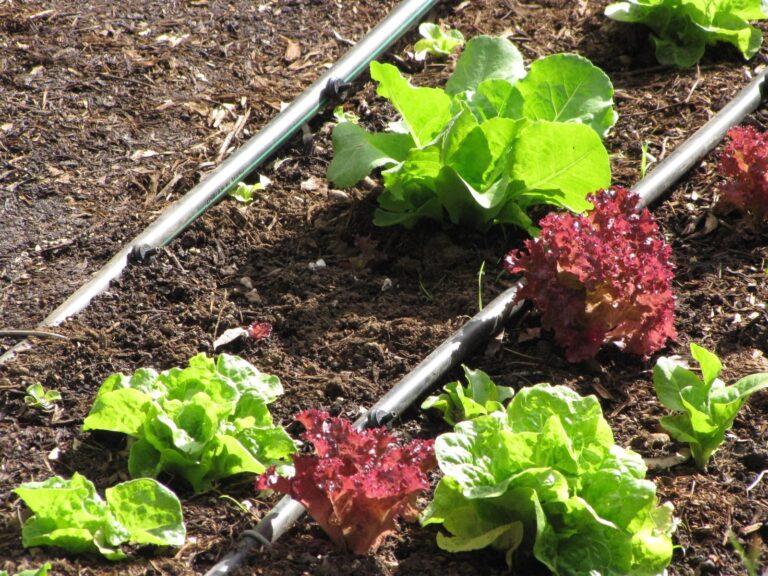
When to plant in North Carolina: crop by crop
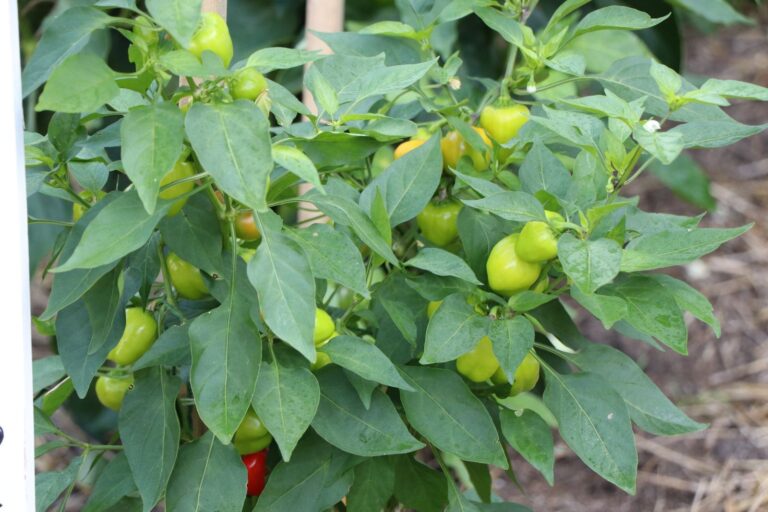
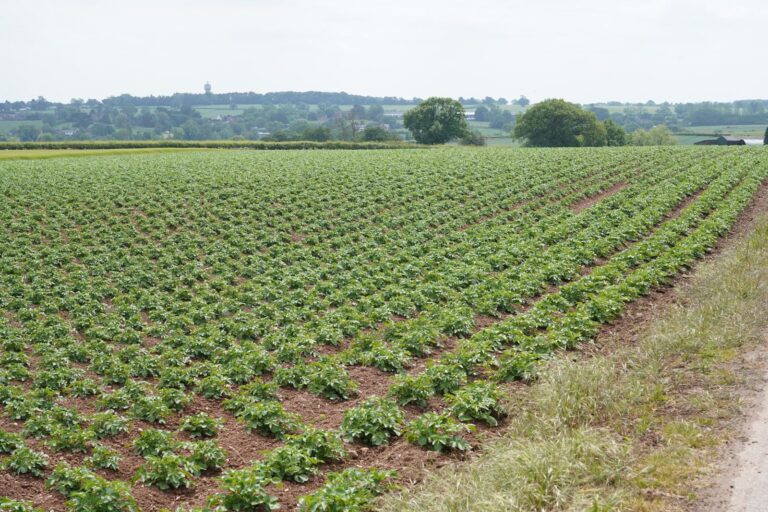
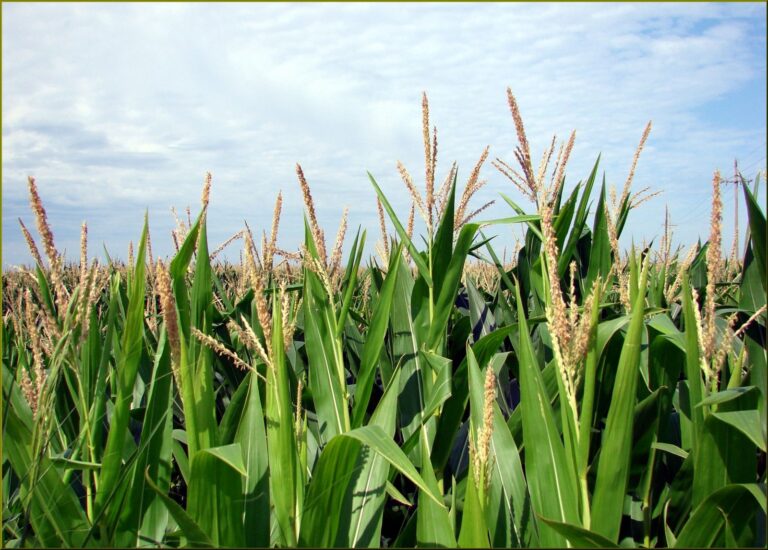
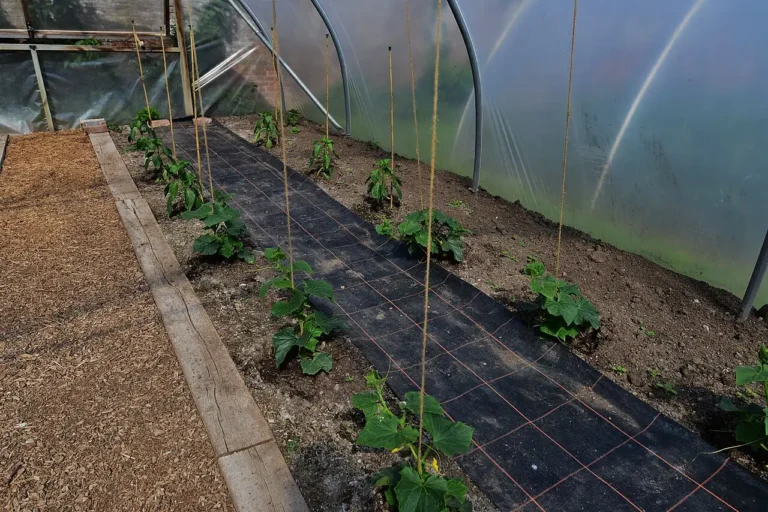
Planting dates for each crop in North Carolina, from the N.C. Cooperative Extension calendar.



North Carolina lawn care: questions
When should I plant grass seed in North Carolina?
N.C. Cooperative Extension says to seed tall fescue from mid August to early October and to seed bermudagrass from March to early July.
When do you fertilize a lawn in North Carolina?
Tall fescue (Statewide): February. December Through February. Fertilization: Fertilize with 1 pound of N per 1,000 square feet in February. Source: AG-367.
When is the best time to overseed in North Carolina?
Late summer to early fall is the best time to renovate cool-season lawns. Warm-season lawns are best renovated in late spring to early summer.
When do I put down crabgrass preventer in North Carolina?
mid February to early March (Statewide). Apply preemergence herbicides from mid-February to early March.
What is the best grass for a North Carolina lawn?
N.C. Cooperative Extension describes these grasses for North Carolina: cool-season tall fescue, kentucky bluegrass, fine fescue and perennial ryegrass; warm-season bermudagrass, zoysiagrass, centipedegrass, st. augustinegrass, carpetgrass and bahiagrass. The table above shows where each one is recommended.
Where does this lawn calendar come from?
AG-69 Carolina Lawns: A Guide to Maintaining Quality Turf in the Landscape; AG-367 Tall Fescue Lawn Maintenance Calendar; AG-930 Tall Fescue and Kentucky Bluegrass Home Lawn Calendar; AG-431 Bermudagrass Lawn Maintenance Calendar; AG-381 Centipedegrass Lawn Maintenance Calendar; AG-540 St. Augustinegrass Lawn Maintenance Calendar; AG-432 Zoysiagrass Lawn Maintenance Calendar, all from N.C. Cooperative Extension.
Sources for the North Carolina lawn calendar
- Carolina Lawns: A Guide to Maintaining Quality Turf in the Landscape (AG-69), NC State Extension (N.C. Cooperative Extension). Printed date: Publication date: July 2, 2021. Read November 12, 2026.
- Tall Fescue Lawn Maintenance Calendar (AG-367), NC State Extension (N.C. Cooperative Extension). Printed date: Publication date: July 8, 2021. Read November 12, 2026.
- Tall Fescue and Kentucky Bluegrass Home Lawn Calendar (AG-930), NC State Extension (N.C. Cooperative Extension). Printed date: Publication date: June 27, 2022. Read November 12, 2026.
- Bermudagrass Lawn Maintenance Calendar (AG-431), NC State Extension (N.C. Cooperative Extension). Printed date: Publication date: July 30, 2021. Read November 12, 2026.
- Centipedegrass Lawn Maintenance Calendar (AG-381), NC State Extension (N.C. Cooperative Extension). Printed date: Publication date: Aug. 4, 2021. Read November 12, 2026.
- St. Augustinegrass Lawn Maintenance Calendar (AG-540), NC State Extension (N.C. Cooperative Extension). Printed date: Publication date: July 8, 2021. Read November 12, 2026.
- Zoysiagrass Lawn Maintenance Calendar (AG-432), NC State Extension (N.C. Cooperative Extension). Printed date: Publication date: July 10, 2025. Read November 12, 2026.
Where two publications disagree, both rows are shown with their sources. Nothing on this page is estimated; tasks with no published month say "See text".
More for North Carolina: frost dates, what to plant now, planting calendar, planting zone map and the soil testing guide with the state soil lab.
Photos: Freshly seeded front lawn turning green beside bare soil and a garden hose: HA1256, CC BY-SA 4.0, via Wikimedia Commons; Old gambrel barn at the edge of a field, Wake County: Ryan Q, CC BY 2.0, via Flickr; Open cotton field before autumn woods, Lee County: Donald Lee Pardue, CC BY 2.0, via Flickr; Staked tomato plant in a straw-mulched kitchen garden with green and ripening red tomatoes: NPS, Public domain, via Wikimedia Commons; Pepper plant in a kitchen garden loaded with green, yellow and red peppers: NPS, Public domain, via Wikimedia Commons; Long neat rows of green potato plants stretching across a farm field: Malcolm Neal, CC BY-SA 2.0, via Wikimedia Commons; Tall corn plants with golden tassels against a summer sky in a field: inkknife_2000, CC BY-SA 2.0, via Wikimedia Commons; Clusters of long green bean pods hanging from a climbing bean vine: Nirajan_pant, CC BY-SA 3.0, via Wikimedia Commons; Cucumber plants growing in a greenhouse bed: HARTLEPOOLMARINA2014, CC BY-SA 4.0, via Wikimedia Commons; Harvested zucchini and summer squash: nociveglia from Appennino Emiliano, Italy, CC BY 2.0, via Wikimedia Commons; Green and red leaf lettuce heads growing along drip lines in a garden bed: Forest and Kim Starr, CC BY 3.0 US, via Wikimedia Commons.