Home › Georgia › Invasive plants › Cogongrass
Georgia
Is cogongrass banned in Georgia?
Yes. Cogongrass (Imperata cylindrica) is on the Georgia list “Designation of noxious weeds (Federal Noxious Weed List)”, group “Terrestrial weeds”. Listed plants may not be sold or distributed in Georgia (Live Plant Regulations, Rule 40-4-9-.11(b)).
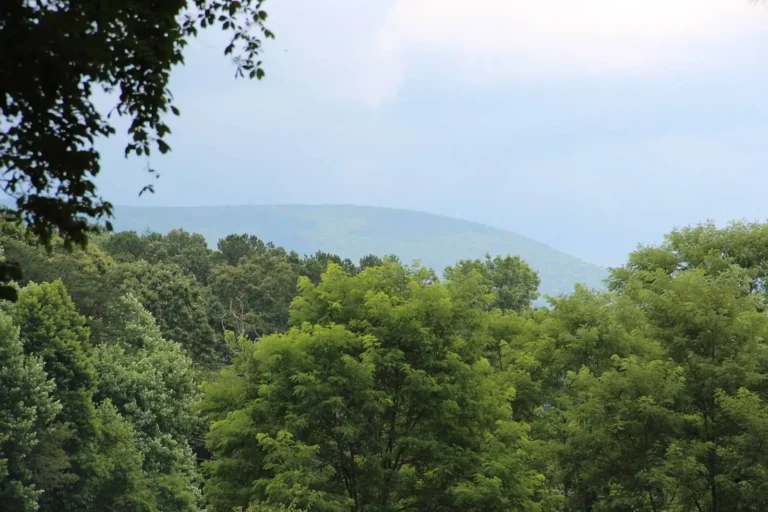
Photo: Springer Mountain rising above summer green woods in the Blue Ridge WMA. Thomson M, CC BY 3.0, via Wikimedia Commons
Cogongrass on the Georgia list
Where cogongrass appears in Georgia law and what the listing does.
| Plant as printed | Imperata cylindrica (cogongrass) |
| List | Designation of noxious weeds (Federal Noxious Weed List) |
| Agency | USDA APHIS |
| Citation | 7 CFR 360.200; made enforceable for plant sales in Georgia by Ga. Comp. R. & Regs. 40-4-9-.11(b) and incorporated in seed law by 40-12-4-.01(d) |
| Class | Terrestrial weeds |
| Date printed or effective | November 10, 2010 |
| Legal effect | Federal noxious weeds (7 CFR 360) may not be moved interstate or imported without a federal permit. In Georgia, the Live Plant Regulations make it an unlawful act to sell or distribute any plant listed on the Federal Noxious Weed list (Ga. Comp. R. & Regs. 40-4-9-.11(b); 40-4-9-.01(h) defines Federal Noxious Weed as "Any plant listed under Title 7, Code of Federal Regulations, Part 360"), and the Georgia seed rule forbids their seed or propagules being intermixed with seed for sale (40-12-4-.01(d)). The CFR note says a scientific name "is intended to include all subordinate taxa within the taxon". |
Text recorded from the official rule, read November 12, 2026. Scientific names are copied as printed.


More Georgia lists with cogongrass
| List | Type | What it means |
|---|---|---|
| Limitations on Noxious Weed Seeds (Prohibited Noxious Weed Seed; Restricted Noxious Weed Seed) | Seed law | Seed labeling/quality law, not a ban on growing or planting the plant: "It is unlawful to sell, offer for sale, or expose for sale any agricultural or vegetable seed for planting … |
| Georgia Invasive Species Strategy, Appendix A: Invasive Species of Concern in Georgia (plants) | Advisory list | Advisory list; it has no legal effect. |
Which states ban cogongrass
| State | Cogongrass banned from sale? | List |
|---|---|---|
| Tennessee | Yes | Tenn. Comp. R. & Regs. 0080-06-24-.02 |
| Georgia | Yes | 7 CFR 360.200, Terrestrial weeds |
| North Carolina | Yes | 7 CFR 360.200, Terrestrial weeds |
| Texas | No | Not on any official list read |
| Pennsylvania | Not by name | Named only on an advisory list and the federal noxious weed list |
| Ohio | No | Not on any official list read |
States on this site. Each answer comes from that state's official lists; follow the link for the details.
Other common plants and Georgia law
All Georgia ban lists, searchable, are on the Georgia invasive and banned plants page.
Georgia cogongrass questions
Is cogongrass banned in Georgia?
Yes. Cogongrass is on the 7 CFR 360.200 list in Georgia, and listed plants may not be sold or distributed in Georgia (Live Plant Regulations, Rule 40-4-9-.11(b)).
When did Georgia ban cogongrass?
The list is dated November 10, 2010 (7 CFR 360.200).
Who enforces the cogongrass ban in Georgia?
USDA APHIS, under 7 CFR 360.200; made enforceable for plant sales in Georgia by Ga. Comp. R. & Regs. 40-4-9-.11(b) and incorporated in seed law by 40-12-4-.01(d).
What is the scientific name of cogongrass?
Georgia lists print it as Imperata cylindrica.
Which other states ban cogongrass?
Among the states this site covers: Tennessee and North Carolina.
Where can I get help identifying cogongrass in Georgia?
UGA Cooperative Extension county offices identify plants for residents; find yours on your county page.
Official sources used
Limitations on Noxious Weed Seeds (Prohibited Noxious Weed Seed; Restricted Noxious Weed Seed), Georgia Department of Agriculture (Seed Division). Ga. Comp. R. & Regs. 40-12-4-.01 (authority O.C.G.A. 2-11-21). Date in force or printed: May 28, 2020. Read November 12, 2026.
Designation of noxious weeds (Federal Noxious Weed List), USDA APHIS. 7 CFR 360.200; made enforceable for plant sales in Georgia by Ga. Comp. R. & Regs. 40-4-9-.11(b) and incorporated in seed law by 40-12-4-.01(d). Date in force or printed: November 10, 2010. Read November 12, 2026.
Georgia Invasive Species Strategy, Appendix A: Invasive Species of Concern in Georgia (plants), Georgia Department of Natural Resources, Wildlife Resources Division (Georgia Invasive Species Advisory Committee). Date in force or printed: August 2009. Read November 12, 2026.
Lists change; check the agency page before buying or selling plants. More for Georgia: Georgia gardening, what to plant now and the planting zone map.
Photos: Springer Mountain rising above summer green woods in the Blue Ridge WMA: Thomson M, CC BY 3.0, via Wikimedia Commons; Sunset glow over the valley from the rock overlook at Dowdell Knob in F.D. Roosevelt State Park: Dsdugan, CC0 1.0, via Wikimedia Commons; The Tallapoosa River flowing through green woods in Haralson County: John Phelan, CC BY 4.0, via Wikimedia Commons; Rich Mountain rising above autumn woods seen from State Route 515 in Gilmer County: Thomson200, CC0 1.0, via Wikimedia Commons; The Flint River flowing south between spring-green banks in Dougherty County: Michael Rivera, CC BY-SA 4.0, via Wikimedia Commons.