Georgia
Georgia Garden Pests Now
Georgia has no spotted lanternfly quarantine; the Department of Agriculture reports a first live population in Fulton County in October 2024. This page lists 10 quarantine and detection entries and 29 pest timing entries from 18 official sources.
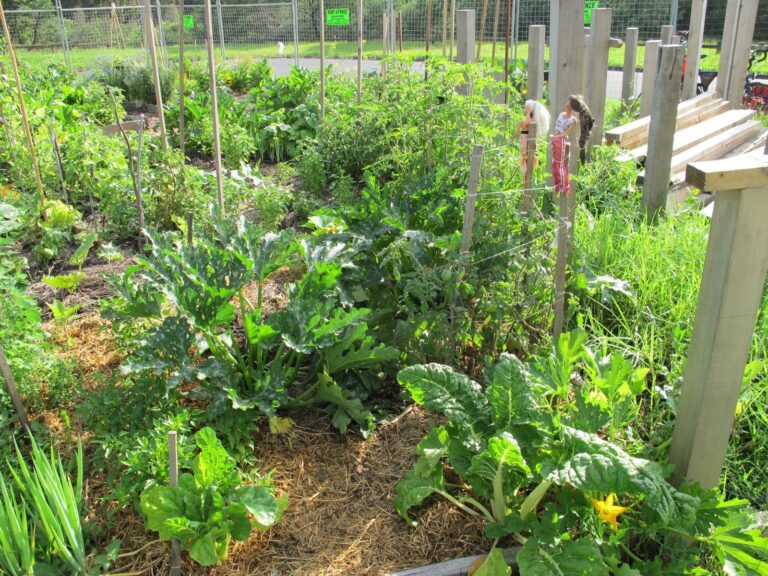
Photo: Community vegetable garden with chard, squash and staked tomato plants in summer. Gavin Anderson, CC BY-SA 2.0, via Wikimedia Commons
Quarantined and detected pests in Georgia
Each row links to the page it was read from.
| Pest | Status as printed | Counties | As of | Source |
|---|---|---|---|---|
| Spotted lanternfly Lycorma delicatula | First live population found in Fulton County October 2024; only known presence in the state (no quarantine stated) | 1 county listed | No date printed | Spotted Lanternfly |
| Emerald ash borer Agrilus planipennis | State quarantine repealed (Rule 40-4-25) | No county list printed | No date printed | Rules of Georgia Department of Agriculture Chapter 40-4-25 Emerald Ash Borer |
| Imported fire ant (federal quarantine) | Federal quarantined area: Georgia, the entire state | Statewide | October 27, 2022 | Imported Fire Ant Quarantined Areas, 7 C.F.R. 301.81-3 |
| Imported fire ant (state quarantine) | State quarantine repealed (Subject 40-4-11) | No county list printed | No date printed | GA R&R – GAC – Chapter 40-4 |
| Japanese beetle Popillia japonica | State quarantine repealed (Subject 40-4-12) | No county list printed | No date printed | GA R&R – GAC – Chapter 40-4 |
| Phony peach disease | Quarantine rule listed (not marked repealed); regulated area: Georgia, entire state | Statewide | No date printed | Subject 40-4-13 PHONY PEACH DISEASE QUARANTINE |
| Blueberry scorch virus | Quarantine rule listed (not marked repealed); virus "not known to be established in the State of Georgia" | No county list printed | No date printed | Subject 40-4-24 BLUEBERRY SCORCH VIRUS QUARANTINE |
| Citrus graft-transmissible diseases, pathogens and nematodes | Citrus regulations and quarantine rule listed (not marked repealed) | No county list printed | No date printed | Subject 40-4-26 CITRUS REGULATIONS AND QUARANTINE |
| Boxwood blight Calonectria pseudonaviculata | Not a quarantined pest (voluntary nursery compliance program) | No county list printed | No date printed | Boxwood Blight |
| Box tree moth Cydalima perspectalis | Detections listed as of May 2021: Connecticut, Michigan and South Carolina (Georgia not named); APHIS Federal Order halts import of host plants from Canada | No county list printed | May 2021 (as printed) | Box Tree Moth |
Spotted lanternfly: 1 county named in the source
Fulton.
Statuses and county names are copied from the listed pages. A county that is not named is not marked clear: check the department page for the current order before moving plants, firewood or soil.

Georgia garden pest timing from extension
The filter narrows the table by pest, stage or month.
| Pest | Stage | When, as printed | Plants | Advice as printed | Source |
|---|---|---|---|---|---|
| Aphids (plant lice) | March | Vegetable garden | Watch out for insects (March entry). | Vegetable Garden Calendar | |
| Bean leaf beetle | May (listed among the "10 most wanted" culprits in the May entry) | Vegetable garden | Early discovery makes early control possible; follow the schedule in the Georgia Pest Management Handbook for corn earworm and pickleworm. | Vegetable Garden Calendar | |
| Blister beetle | May (listed among the "10 most wanted" culprits in the May entry) | Vegetable garden | Early discovery makes early control possible; follow the schedule in the Georgia Pest Management Handbook for corn earworm and pickleworm. | Vegetable Garden Calendar | |
| Cabbage worm | May (listed among the "10 most wanted" culprits in the May entry) | Vegetable garden | Early discovery makes early control possible; follow the schedule in the Georgia Pest Management Handbook for corn earworm and pickleworm. | Vegetable Garden Calendar | |
| Colorado potato beetle | May (listed among the "10 most wanted" culprits in the May entry) | Vegetable garden | Early discovery makes early control possible; follow the schedule in the Georgia Pest Management Handbook for corn earworm and pickleworm. | Vegetable Garden Calendar | |
| Cucumber beetle | May (listed among the "10 most wanted" culprits in the May entry) | Vegetable garden | Early discovery makes early control possible; follow the schedule in the Georgia Pest Management Handbook for corn earworm and pickleworm. | Vegetable Garden Calendar | |
| Cutworms | March | Vegetable garden | Watch out for insects (March entry of the vegetable garden calendar). | Vegetable Garden Calendar | |
| Fire ants | Apply ant baits on warm, sunny days in the spring and again 6-8 weeks before harvest | Orchard (fruit trees) | Baits work slowly, requiring 4-8 weeks to reduce ant numbers; ants must be actively foraging. | Georgia Pest Management Handbook, 2024-2025 Home and Garden Edition: Home | |
| Harlequin cabbage bug | May (listed among the "10 most wanted" culprits in the May entry) | Vegetable garden | Early discovery makes early control possible; follow the schedule in the Georgia Pest Management Handbook for corn earworm and pickleworm. | Vegetable Garden Calendar | |
| Japanese beetle | Adults | Emerge from the soil in late May and early June | Peach, grapes, raspberry, plum, roses, apple, cherry, corn and others (as printed) | Handpick or knock adults into soapy water; sprays every seven to ten days during heavy outbreaks. | After a short hiatus, Japanese beetles return to Georgia landscapes and gardens |
| Japanese beetle | Adults and eggs | Adults live four to six weeks and lay eggs mostly in mid-August; eggs produce larvae in about two weeks if soil is moist | Single systemic application (e.g. imidacloprid) needs to be made 20 days before adults are expected, usually around mid-May; most not labeled for edible fruit plants. | After a short hiatus, Japanese beetles return to Georgia landscapes and gardens | |
| Japanese beetle | Grubs | Late summer and early fall treatments most effective on young grubs | Lawns | Treatment may be necessary if more than five to ten grubs per square foot are present in lawns. | After a short hiatus, Japanese beetles return to Georgia landscapes and gardens |
| Japanese beetle | Adults | Emerge in June after spring feeding and pupation | Thornless blackberry, leaves of a wide range of plants | Treat lawn areas in August with milky spore bacteria; second application late April to early May. | Summer Pests |
| Mexican bean beetle | May (listed among the "10 most wanted" culprits in the May entry) | Vegetable garden | Early discovery makes early control possible; follow the schedule in the Georgia Pest Management Handbook for corn earworm and pickleworm. | Vegetable Garden Calendar | |
| Periodical cicada (Brood XIX, 2024) | Adults | Majority emerge by mid-May and nearly all dead by the first week of June; nymphs emerge within one month | Georgia's Brood XIX is here: Periodical cicadas make their mark on the Southeast | ||
| Plum curculio | Adults | Insecticides at petal fall and the two sprays that follow; second wave of adults usually emerges 8 to 10 weeks later (late June or July) | Apples | Monitor fruit in summer for crescent-shaped egg-laying scars to decide if summer management is needed. | Georgia Pest Management Handbook, 2024-2025 Home and Garden Edition: Home |
| Red spider mites | March | Vegetable garden | Watch out for insects (March entry). | Vegetable Garden Calendar | |
| San Jose scale | Crawlers and adults | Treat twice during the dormant season (from leaf drop to pre-pink) every year | Apple and pear | Oil at 1-3%, reduce to 1% just after leaf drop and before bloom; do not apply if temperatures expected above 70F or below 25F within 24 hours. | Georgia Pest Management Handbook, 2024-2025 Home and Garden Edition: Home |
| Spotted lanternfly | Egg mass | September to May | Spotted Lanternfly Life Cycle | ||
| Spotted lanternfly | 1st to 3rd instar (nymphs) | Late March to June | Spotted Lanternfly Life Cycle | ||
| Spotted lanternfly | 4th instar (nymphs) | Late May to July | Spotted Lanternfly Life Cycle | ||
| Spotted lanternfly | Adult | July to December | Spotted Lanternfly Life Cycle | ||
| Spotted lanternfly | Eggs | Laying eggs from September to November; survive winter until hatching in the spring | Grapes, hops, stone fruit (peaches and plums), hardwood trees | Inspect vehicles and equipment for egg masses before moving them; photograph, kill and report sightings. | Invasive pest Spotted Lanternfly confirmed in Georgia |
| Spotted lanternfly | Adults | Die with the first hard frost | Invasive pest Spotted Lanternfly confirmed in Georgia | ||
| Squash bug | May (listed among the "10 most wanted" culprits in the May entry) | Vegetable garden | Early discovery makes early control possible; follow the schedule in the Georgia Pest Management Handbook for corn earworm and pickleworm. | Vegetable Garden Calendar | |
| Tomato fruit worm (and corn earworm) | May (listed among the "10 most wanted" culprits in the May entry) | Vegetable garden | Early discovery makes early control possible; follow the schedule in the Georgia Pest Management Handbook for corn earworm and pickleworm. | Vegetable Garden Calendar | |
| Tomato hornworm | May (listed among the "10 most wanted" culprits in the May entry) | Vegetable garden | Early discovery makes early control possible; follow the schedule in the Georgia Pest Management Handbook for corn earworm and pickleworm. | Vegetable Garden Calendar | |
| Tomato hornworm and tobacco hornworm | Larvae and pupae | 2 to 4 generations in Georgia; both species overwinter in the pupal stage; damage much more severe in the fall production season | Tomatoes (common only on tomatoes among fruiting vegetables) | In home gardens hand picking usually provides adequate control. | Hornworms |
| Tomato hornworm and tobacco hornworm | Larvae | Larval development averages about 20 days; damage much more severe in the fall production season | Tomatoes | Hornworms |
Timing words are copied from the publication and are not converted to dates. Many extension pages are for one part of the state or one year; the source column shows which. Blank cells mean the page prints nothing for that column.
Georgia cicada broods and years
| Brood | Emergence year as printed | Counties or area as printed | Source |
|---|---|---|---|
| Brood XIX | 2024 (USFS layer name: Brood XIX (2024); 13-year); last emergence 2011 per UGA | Catoosa, Chattooga, Cherokee, Floyd, Fulton, Jackson, Madison, Polk, Rabun, Richmond, Troup, Walker, White | U.S. Forest Service Periodical Cicada Broods |
| Brood XIX | 2024 (nymphs from 2011 emergence) | Verified in 75 of Georgia's 159 counties during the 2011 emergence; Georgia's only 13-year cicada | Georgia's Brood XIX is here: Periodical cicadas make their mark on the Southeast |
| Brood X | 2021 (USFS layer name: Brood X (2021); 17-year) | Fannin, Gilmer, Rabun, Union | U.S. Forest Service Periodical Cicada Broods |
| Brood VI | 2034 (USFS layer name: Brood VI (2034); 17-year) | Habersham, Rabun | U.S. Forest Service Periodical Cicada Broods |
Brood years and counties come from the pages listed. Pages differ in age and in how they list counties, so rows for the same brood can differ.
Georgia garden pests: questions
Is there a spotted lanternfly quarantine in Georgia?
Spotted lanternfly: first live population found in Fulton County October 2024; only known presence in the state (no quarantine stated). The page says: "the first live population in Georgia was found in Fulton County in October 2024, marking the only known presence of this pest in the state." Source: Georgia Department of Agriculture.
When are Japanese beetle adults out in Georgia?
UGA CAES Field Report prints for adults: emerge from the soil in late May and early June (not south of the "fall line" between Macon and Augusta per surveys (as printed)).
When should I look for hornworms on tomatoes in Georgia?
UGA Extension, Integrated Pest Management insect fact sheet prints for larvae and pupae: 2 to 4 generations in Georgia; both species overwinter in the pupal stage; damage much more severe in the fall production season (Georgia).
When should I watch for squash vine borers or squash bugs in Georgia?
Squash bug, stage not printed: May (listed among the "10 most wanted" culprits in the May entry). Source: University of Georgia Cooperative Extension (CAES Field Report).
Which Georgia counties have a fire ant quarantine?
Imported fire ant (federal quarantine): federal quarantined area: Georgia, the entire state. Source: USDA APHIS.
Which periodical cicada broods does Georgia list?
The sources here name 3 broods: Brood XIX, 2024 (USFS layer name: Brood XIX (2024); 13-year); last …; Brood XIX, 2024 (nymphs from 2011 emergence); Brood X, 2021 (USFS layer name: Brood X (2021); 17-year); Brood VI, 2034 (USFS layer name: Brood VI (2034); 17-year). The table above lists every row with its source and county list where one is printed.
Who publishes the Georgia pest information?
Only the state agriculture department, UGA Cooperative Extension and federal agencies (USDA APHIS and the Forest Service) are used, listed with dates below. Nothing here comes from news, nurseries or pest control companies.
Where the Georgia pest facts come from
- Spotted Lanternfly, Georgia Department of Agriculture. Date: no date printed. Read November 14, 2026.
- Invasive pest Spotted Lanternfly confirmed in Georgia, Georgia Department of Agriculture. Date: Thu, Nov 14 2024. Read November 14, 2026.
- Spotted Lanternfly Life Cycle, Georgia Department of Agriculture, Plant Protection Division. Date: 2024-11-07 (PDF creation date; "20241107 SLF Life Cycle Flyer"). Read November 14, 2026.
- Boxwood Blight, Georgia Department of Agriculture. Date: no date printed. Read November 14, 2026.
- Box Tree Moth, Georgia Department of Agriculture. Date: content refers to May 2021. Read November 14, 2026.
- GA R&R – GAC – Chapter 40-4, Georgia Secretary of State, Rules and Regulations of the State of Georgia (hosti, Chapter 40-4. Date: no date printed. Read November 14, 2026.
- Subject 40-4-13 PHONY PEACH DISEASE QUARANTINE, Georgia Secretary of State rules site (Georgia Department of Agriculture rule), 40-4-13. Date: no date printed. Read November 14, 2026.
- Subject 40-4-24 BLUEBERRY SCORCH VIRUS QUARANTINE, Georgia Secretary of State rules site (Georgia Department of Agriculture rule), 40-4-24. Date: no date printed. Read November 14, 2026.
- Subject 40-4-26 CITRUS REGULATIONS AND QUARANTINE, Georgia Secretary of State rules site (Georgia Department of Agriculture rule), 40-4-26. Date: no date printed. Read November 14, 2026.
- Rules of Georgia Department of Agriculture Chapter 40-4-25 Emerald Ash Borer, Georgia Department of Agriculture, 40-4-25. Date: 2021 (from file path; no date printed in text). Read November 14, 2026.
- Imported Fire Ant Quarantined Areas, 7 C.F.R. 301.81-3, USDA APHIS. Date: October 27, 2022. Read November 14, 2026.
- Vegetable Garden Calendar, University of Georgia Cooperative Extension (CAES Field Report), Circular 943. Date: Published with full review on March 10, 2026. Read November 14, 2026.
- Georgia Pest Management Handbook, 2024-2025 Home and Garden Edition: Home, University of Georgia Cooperative Extension, Special Bulletin 48. Date: 2024-2025 edition (PDF created Feb 6, 2024). Read November 14, 2026.
- After a short hiatus, Japanese beetles return to Georgia landscapes and gardens, UGA CAES Field Report. Date: July 10, 2014. Read November 14, 2026.
- Summer Pests, UGA Extension Forsyth County. Date: June 1, 2016. Read November 14, 2026.
- Hornworms, UGA Extension, Integrated Pest Management insect fact sheet. Date: no date printed. Read November 14, 2026.
- Georgia's Brood XIX is here: Periodical cicadas make their mark on the Southeast, UGA CAES Newswire. Date: 05/15/24. Read November 14, 2026.
- U.S. Forest Service Periodical Cicada Broods, USDA Forest Service Northern Research Station / EDW. Date: no date printed. Read November 14, 2026.
Only the state agriculture department, the land-grant extension service and federal agencies are used.
More for Georgia: Georgia gardening, invasive and banned plants, what to plant now and frost dates.
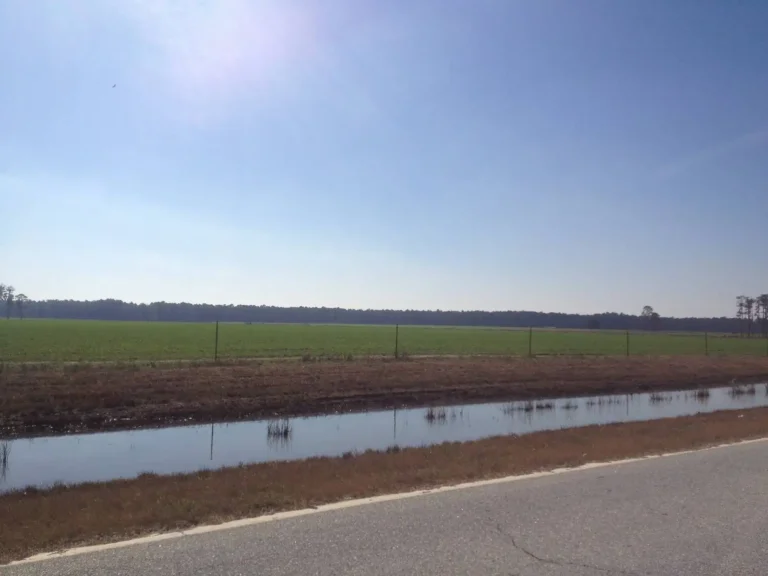
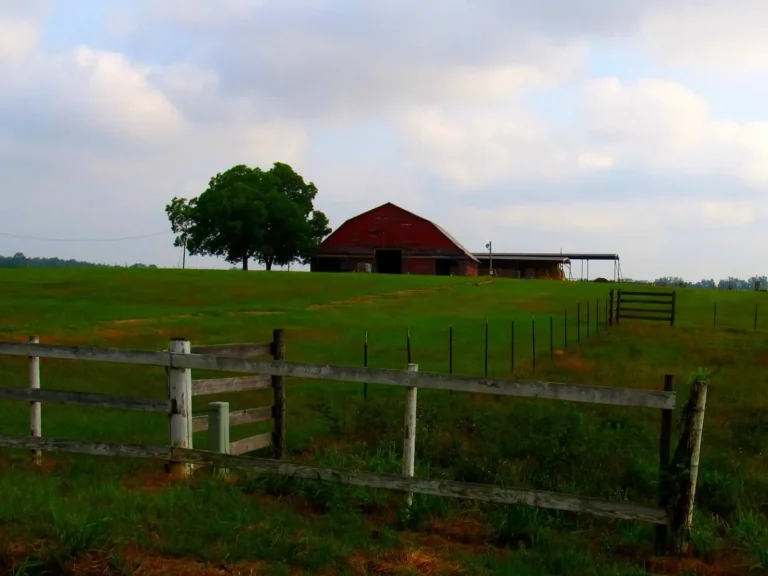
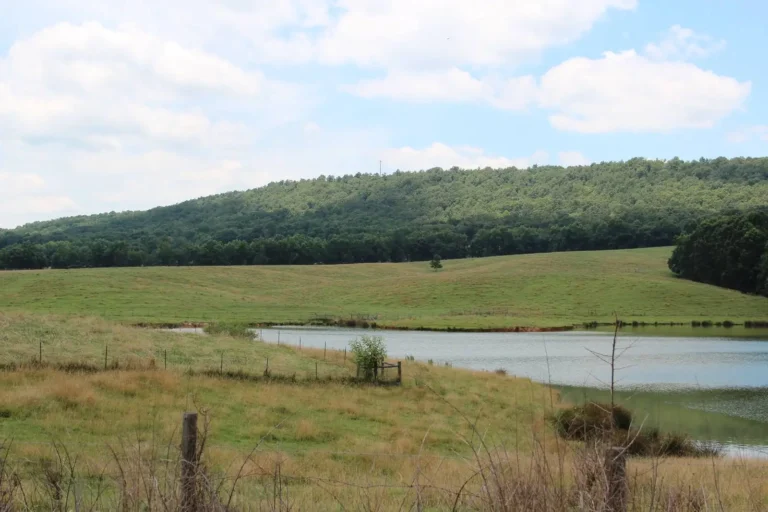
Photos: Community vegetable garden with chard, squash and staked tomato plants in summer: Gavin Anderson, CC BY-SA 2.0, via Wikimedia Commons; Pasture and farm pond below wooded Blackjack Mountain in Carroll County: Thomson20192, CC0 1.0, via Flickr; Flat open fields and a drainage ditch under a wide sky in Berrien County: VLMPO, CC BY 2.0, via Flickr; Red barn and green pasture behind a wooden fence outside Hawkinsville in Pulaski County: Ken Lund, CC BY-SA 2.0, via Flickr; Pond cypress draped in Spanish moss beside open prairie water in the Okefenokee Swamp: Moultrie Creek from St. Augustine, FL, USA, CC BY-SA 2.0, via Wikimedia Commons.