Home › New York
Gardening by county
New York Gardening by County
Frost dates, planting zones and planting calendars for all 62 New York counties. The last spring frost ranges from Mar 26 (Queens County) to May 27 (Essex County), and USDA zones run from 4a to 7b.
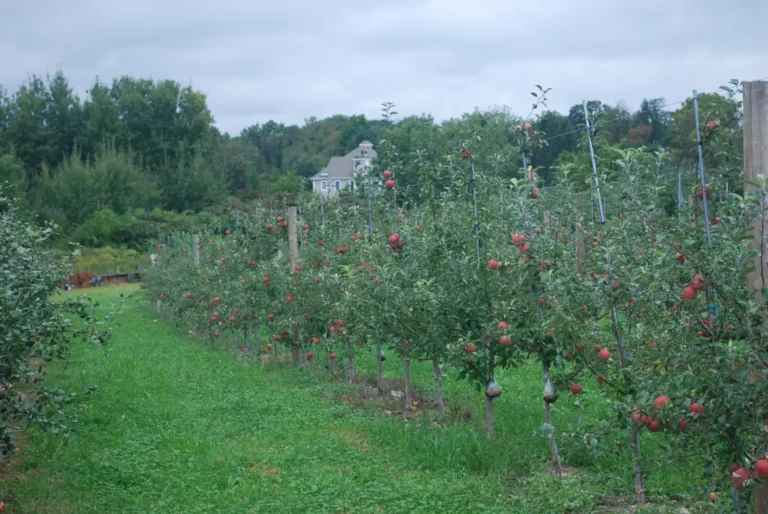
Photo: Red apples ripening on dwarf trees along a grassy orchard row in Marlboro. Juliancolton, Public domain, via Wikimedia Commons
New York garden tools

How New York gardens differ by county
Frost-free days range from 118 (Essex County) to 244 (Queens County) in half of years. First fall frost dates span Sep 22 (Essex County) to Nov 25 (Queens County).
The Cornell Cooperative Extension handout gives one set of dates for the whole state, tied to the Ithaca area. It says that where fall weather is milder than in Ithaca, planting a week to ten days later might be possible, and that cooler areas should move the dates 7 to 10 days earlier. The county frost dates on each page show how a county compares.
Frost figures for the 62 counties are drawn from 59 NOAA climate stations. The most common USDA zones are 6a (18 counties), 5b (15 counties), 6b (8 counties).
When to plant in New York
- When to plant tomatoes
- When to plant peppers
- When to plant sweet corn
- When to plant green beans
- When to plant peas
- When to plant cucumbers
- When to plant squash
- When to plant watermelon
- When to plant cantaloupe
- When to plant okra
- When to plant eggplant
- When to plant lettuce
- When to plant spinach
- When to plant kale
- When to plant mustard greens
- When to plant turnips
- When to plant swiss chard
- When to plant cabbage
- When to plant broccoli
- When to plant cauliflower
- When to plant brussels sprouts
- When to plant kohlrabi
- When to plant carrots
- When to plant beets
- When to plant radishes
- When to plant onions
- When to plant leeks
- When to plant rutabagas
- When to plant parsley
New York counties
- Albany CountyZone 5b, last frost Apr 27
- Allegany CountyZone 5b, last frost May 21
- Bronx CountyZone 7b, last frost Apr 1
- Broome CountyZone 6a, last frost May 2
- Cattaraugus CountyZone 5b, last frost May 18
- Cayuga CountyZone 6a, last frost May 2
- Chautauqua CountyZone 6a, last frost May 8
- Chemung CountyZone 6a, last frost May 6
- Chenango CountyZone 5b, last frost May 13
- Clinton CountyZone 5a, last frost May 6
- Columbia CountyZone 6a, last frost Apr 25
- Cortland CountyZone 5b, last frost May 7
- Delaware CountyZone 5b, last frost May 19
- Dutchess CountyZone 6a, last frost Apr 30
- Erie CountyZone 6a, last frost Apr 24
- Essex CountyZone 4b, last frost May 27
- Franklin CountyZone 4a, last frost May 6
- Fulton CountyZone 5a, last frost May 11
- Genesee CountyZone 6a, last frost May 3
- Greene CountyZone 5b, last frost Apr 29
- Hamilton CountyZone 4b, last frost May 23
- Herkimer CountyZone 4b, last frost May 5
- Jefferson CountyZone 5a, last frost May 2
- Kings CountyZone 7b, last frost Apr 1
- Lewis CountyZone 4b, last frost May 8
- Livingston CountyZone 6a, last frost Apr 30
- Madison CountyZone 5b, last frost May 6
- Monroe CountyZone 6b, last frost Apr 24
- Montgomery CountyZone 5b, last frost May 11
- Nassau CountyZone 7b, last frost Apr 2
- New York CountyZone 7b, last frost Mar 30
- Niagara CountyZone 6b, last frost May 1
- Oneida CountyZone 5a, last frost May 1
- Onondaga CountyZone 6a, last frost Apr 29
- Ontario CountyZone 6b, last frost Apr 29
- Orange CountyZone 6b, last frost May 1
- Orleans CountyZone 6b, last frost May 1
- Oswego CountyZone 6a, last frost May 2
- Otsego CountyZone 5b, last frost May 17
- Putnam CountyZone 6b, last frost Apr 28
- Queens CountyZone 7b, last frost Mar 26
- Rensselaer CountyZone 5b, last frost Apr 19
- Richmond CountyZone 7b, last frost Apr 2
- Rockland CountyZone 7a, last frost Apr 20
- Saratoga CountyZone 5b, last frost May 2
- Schenectady CountyZone 5b, last frost Apr 27
- Schoharie CountyZone 5b, last frost May 9
- Schuyler CountyZone 6a, last frost May 10
- Seneca CountyZone 6b, last frost May 1
- St. Lawrence CountyZone 4b, last frost May 9
- Steuben CountyZone 5b, last frost May 12
- Suffolk CountyZone 7b, last frost Apr 10
- Sullivan CountyZone 6a, last frost May 9
- Tioga CountyZone 6a, last frost May 12
- Tompkins CountyZone 6a, last frost May 11
- Ulster CountyZone 6a, last frost Apr 21
- Warren CountyZone 4b, last frost May 17
- Washington CountyZone 5a, last frost May 9
- Wayne CountyZone 6b, last frost May 6
- Westchester CountyZone 7a, last frost Apr 20
- Wyoming CountyZone 6a, last frost May 7
- Yates CountyZone 6a, last frost Apr 30
New York at a glance
When to plant in New York: crop by crop
Planting dates for each crop in New York, from the Cornell Cooperative Extension calendar.




 Kale
 Spinach
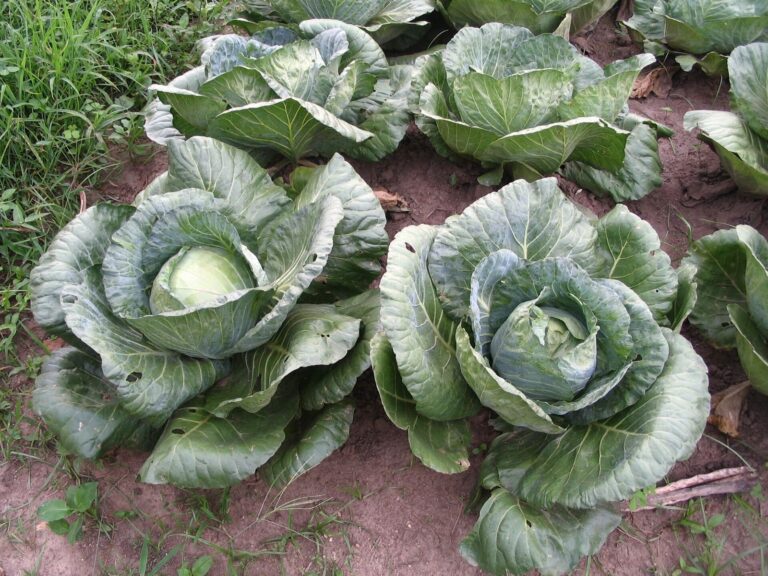 Cabbage
 Cantaloupe
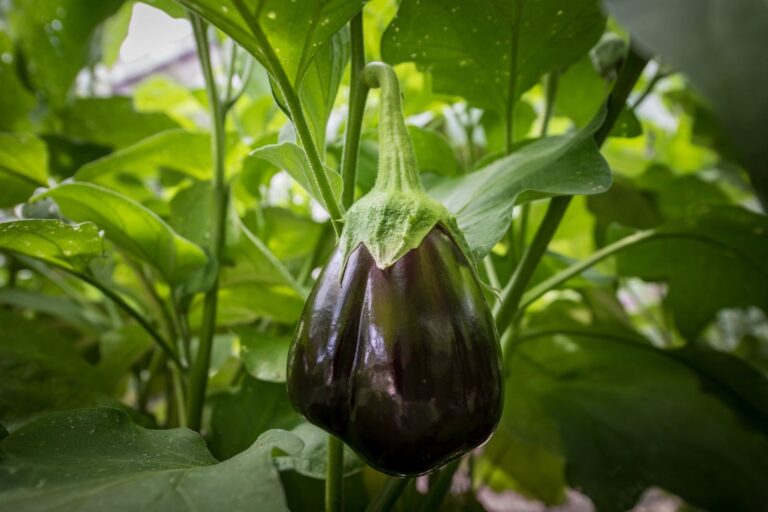 Eggplant
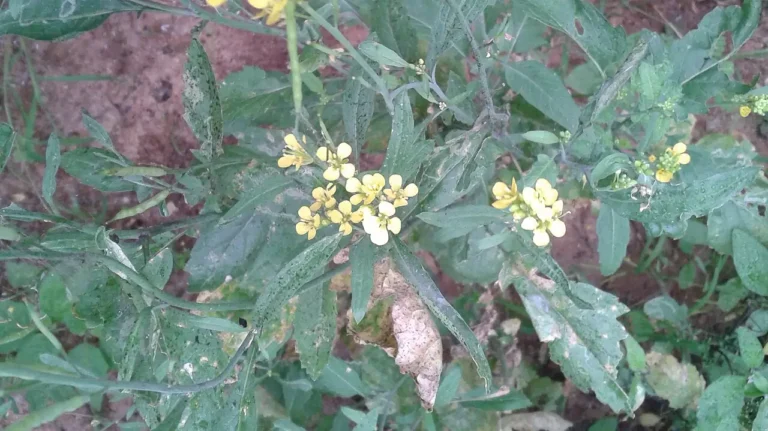 Mustard Greens
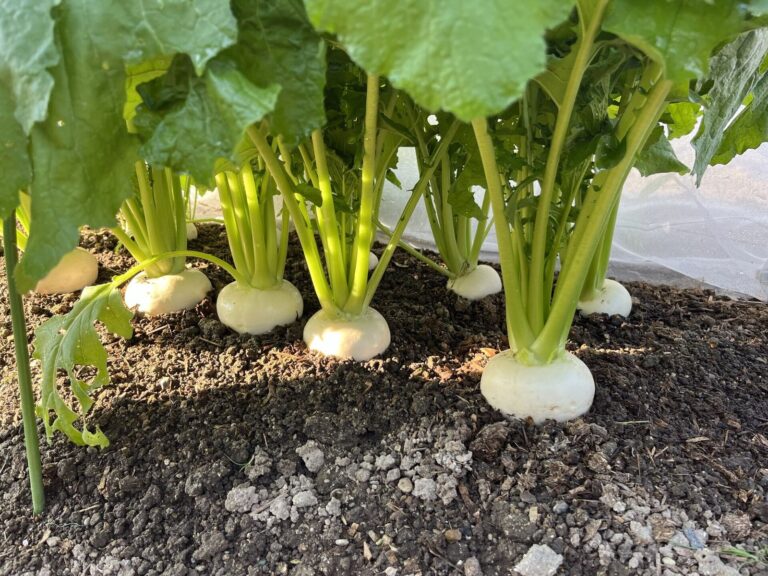 Turnips
 Swiss Chard
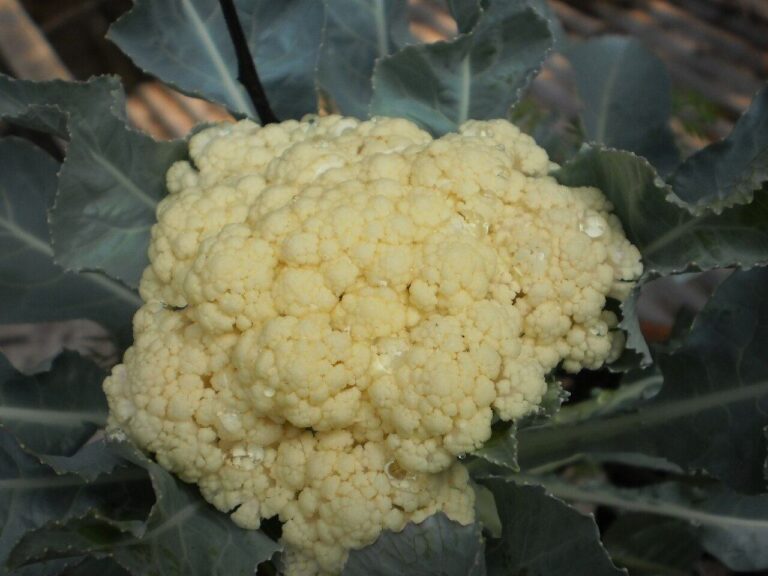 Cauliflower
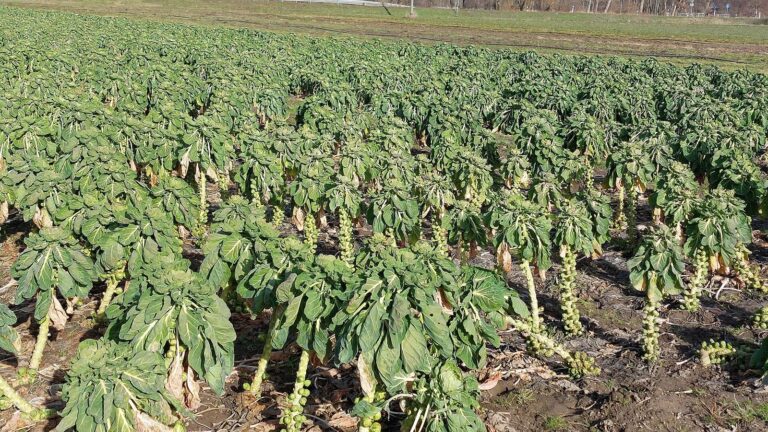 Brussels Sprouts
 Kohlrabi
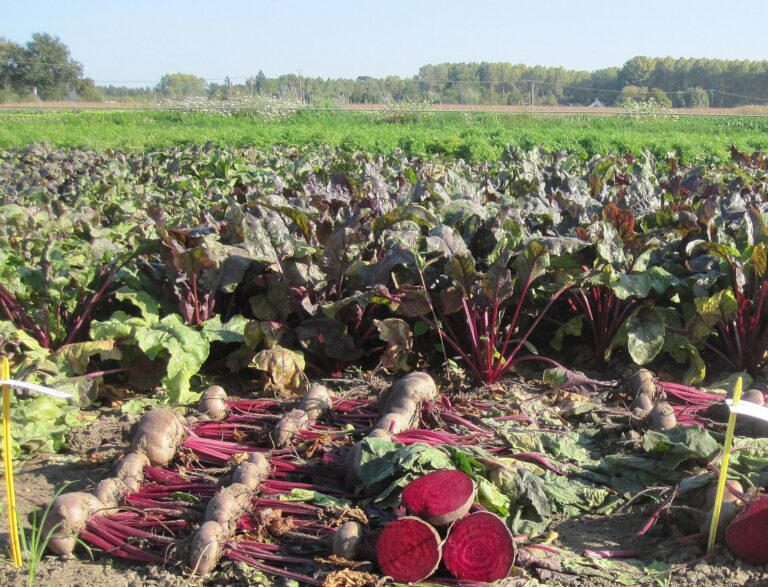 Beets
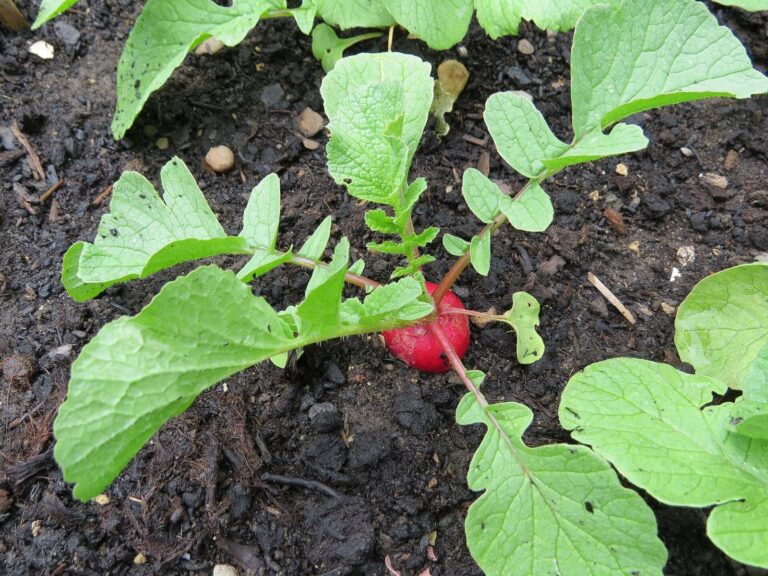 Radishes
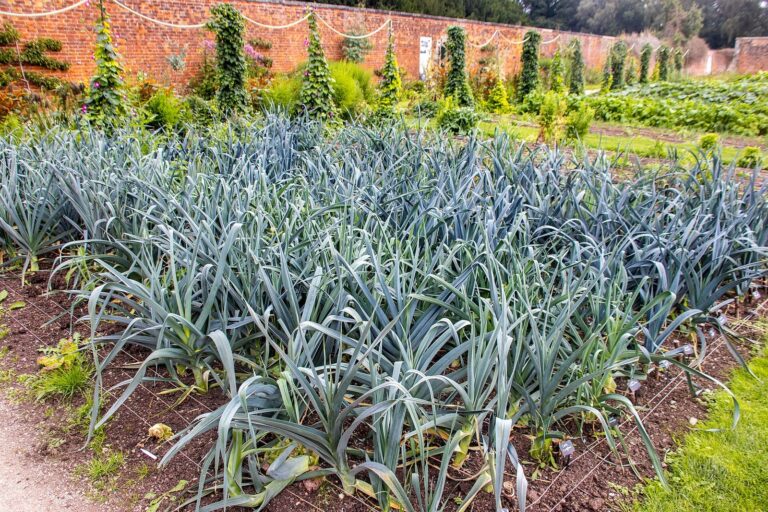 Leeks
 Rutabagas
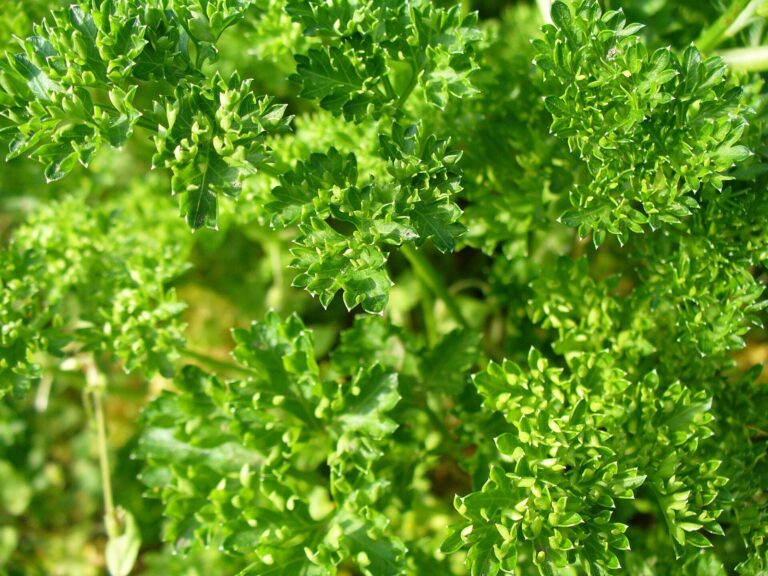 Parsley
New York gardening questions
When is it safe to plant after frost in New York?
The 50% last frost falls on Mar 26 at the earliest (Queens County) and May 27 at the latest (Essex County).
What USDA zones are in New York?
The 2023 USDA map shows zones 4a through 7b.
What vegetables can I plant now in New York?
Pick your county on what to plant now in New York.
Where do these dates come from?
Cornell Cooperative Extension for the planting dates, NOAA NCEI for frost dates and the USDA 2023 map for zones; links are on each page.
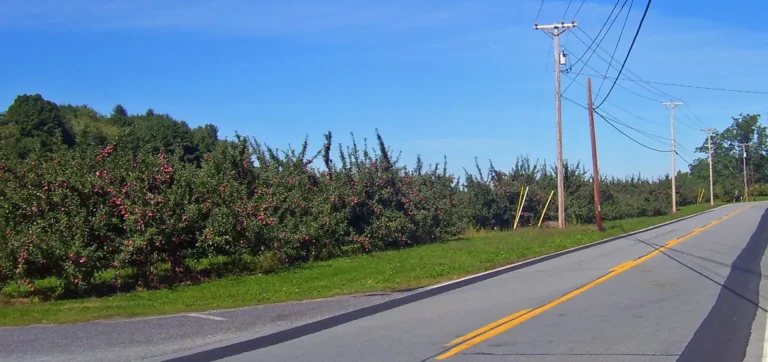
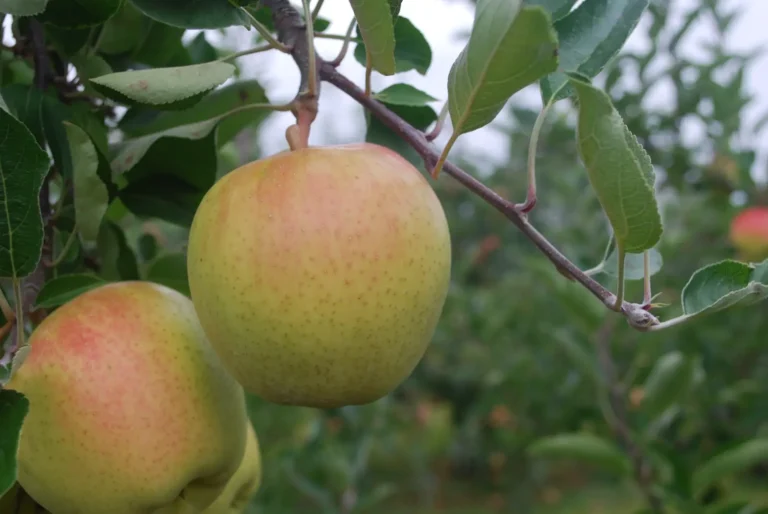
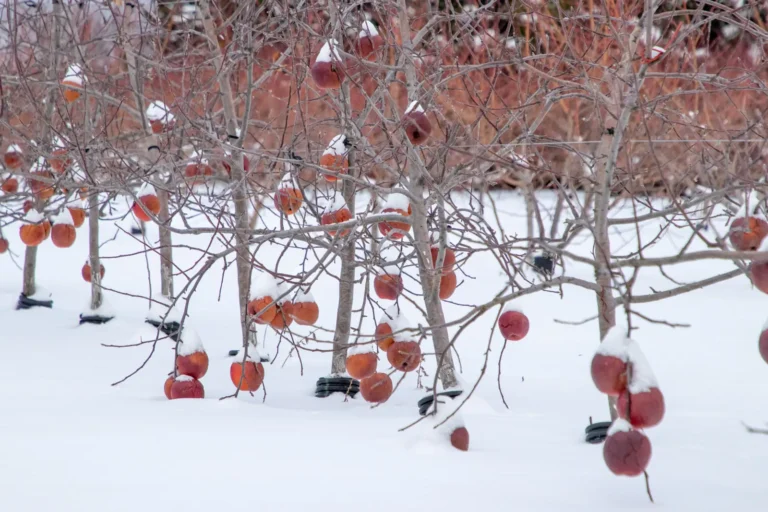
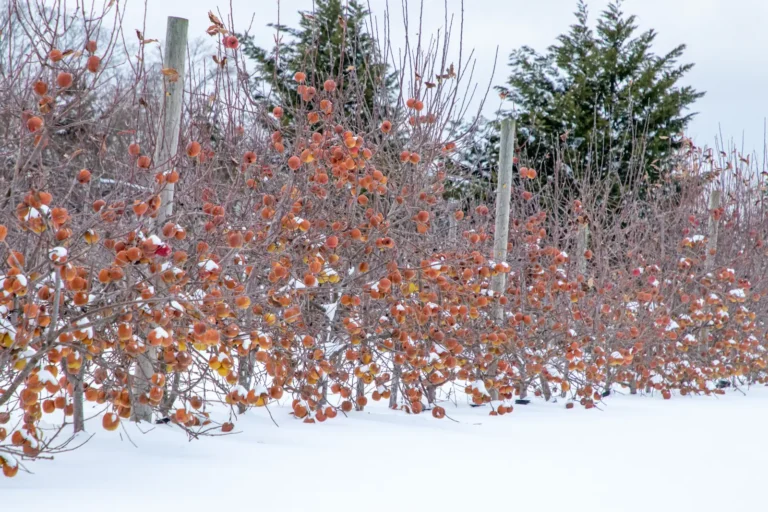
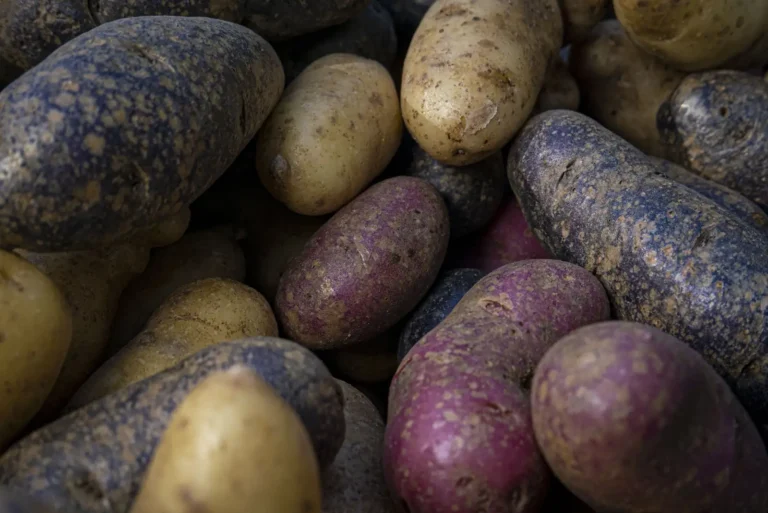
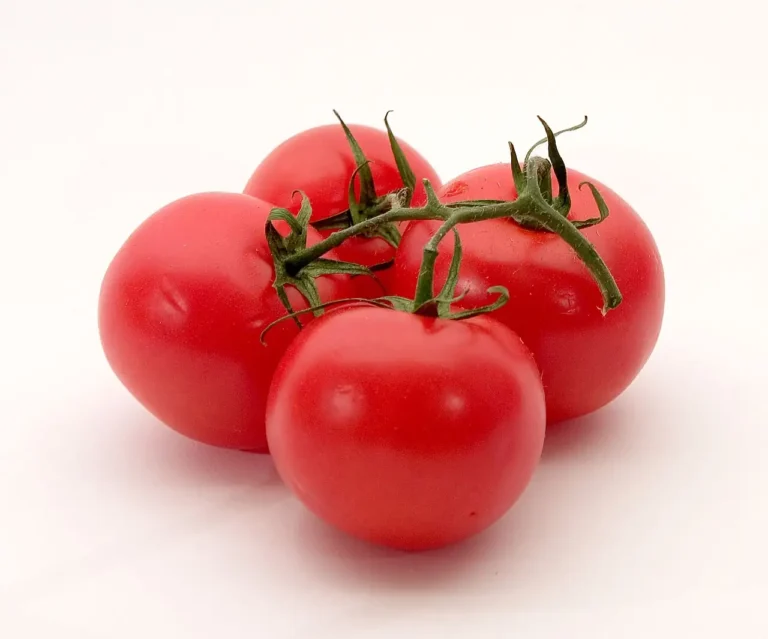
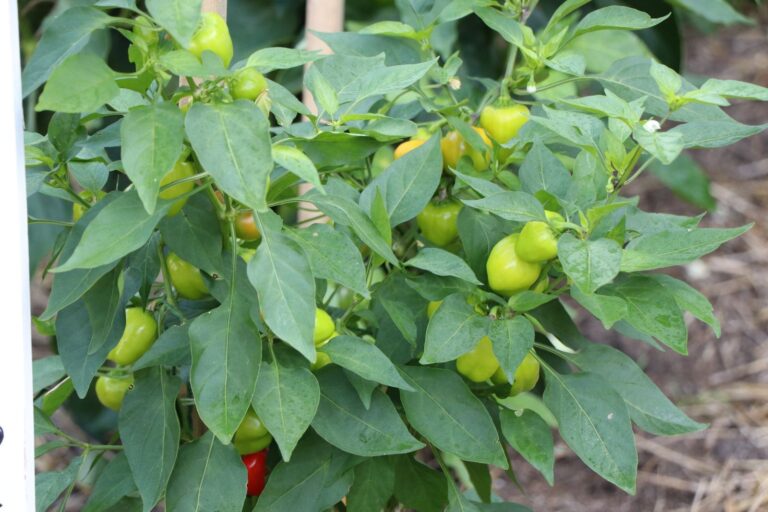
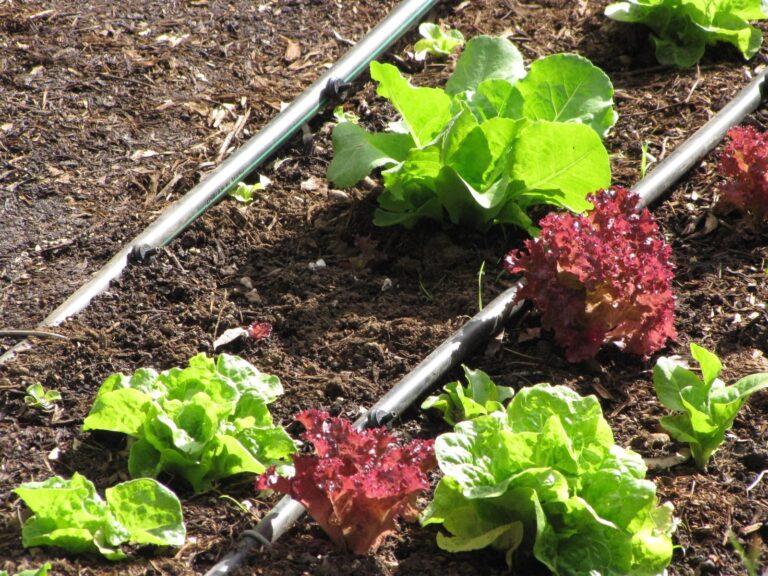
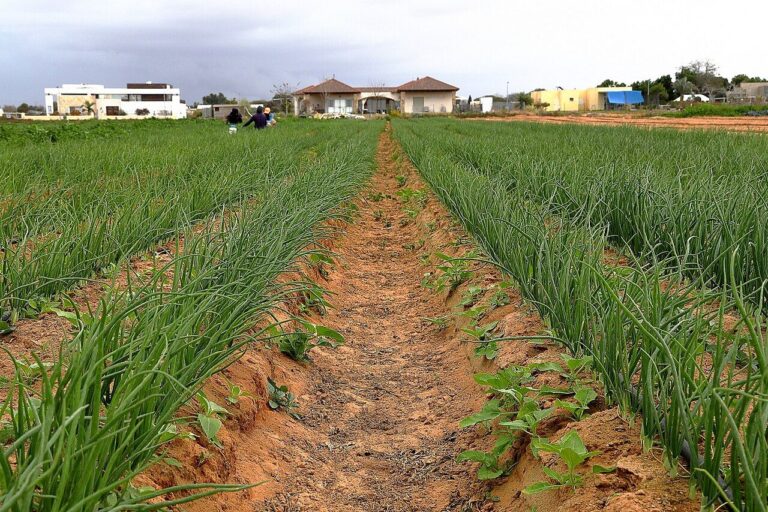
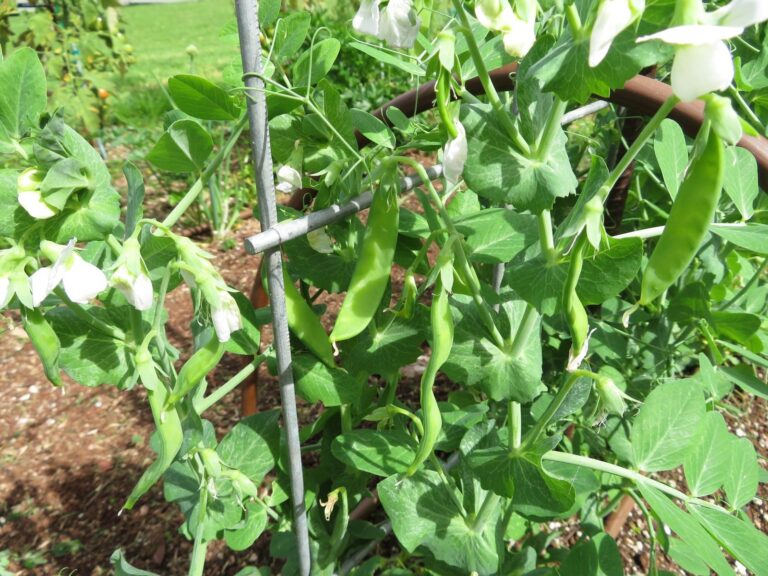
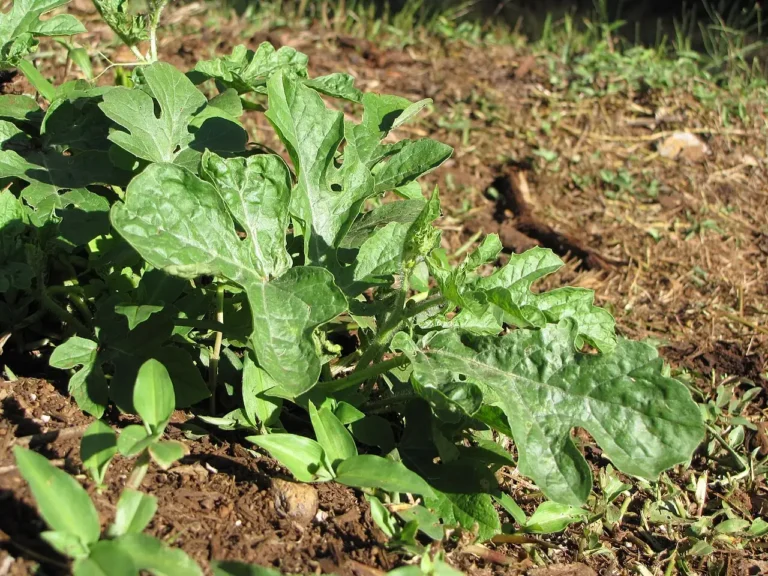
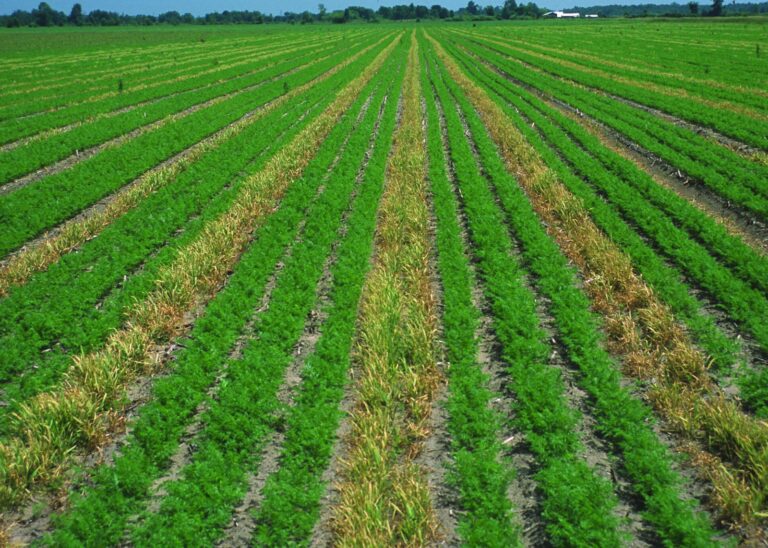
Photos: Red apples ripening on dwarf trees along a grassy orchard row in Marlboro: Juliancolton, Public domain, via Wikimedia Commons; Apple orchards lining a country road in Gardiner under a clear blue sky: Daniel Case, CC BY-SA 3.0, via Wikimedia Commons; Ripening yellow-green fruit hanging on a branch in a Marlboro, New York orchard: Juliancolton, Public domain, via Wikimedia Commons; Apple orchard row with red fruit still on bare trees in snow, East Hampton: Hayden Soloviev, CC BY 4.0, via Wikimedia Commons; Rows of apple trees with leftover fruit and snow on the ground, East Hampton: Hayden Soloviev, CC BY 4.0, via Wikimedia Commons; Purple and yellow heirloom potatoes harvested from a farm in Peconic, Long Island: USDAgov, Public domain, via Wikimedia Commons; Ripe red tomatoes on the vine: Softeis, CC BY-SA 3.0, via Wikimedia Commons; Pepper plant in a kitchen garden loaded with green, yellow and red peppers: NPS, Public domain, via Wikimedia Commons; Rows of sweet corn in a field: Wee Hong, CC BY-SA 4.0, via Wikimedia Commons; Clusters of long green bean pods hanging from a climbing bean vine: Nirajan_pant, CC BY-SA 3.0, via Wikimedia Commons; Cucumber vines climbing a wooden trellis in a kitchen garden: NPS, Public domain, via Wikimedia Commons; Harvested zucchini and summer squash: nociveglia from Appennino Emiliano, Italy, CC BY 2.0, via Wikimedia Commons; Green and red leaf lettuce heads growing along drip lines in a garden bed: Forest and Kim Starr, CC BY 3.0 US, via Wikimedia Commons; Long rows of green onion plants growing in sandy farm soil: ליזי שאנן, CC BY 2.5, via Wikimedia Commons; Pea vines on a garden trellis with white flowers and flat green pods: Forest and Kim Starr, CC BY 2.0, via Wikimedia Commons; Young watermelon plant in a garden: Forest and Kim Starr, CC BY 3.0 us, via Wikimedia Commons; Green broccoli head growing in the center of a leafy plant: Pinakpani, CC BY-SA 4.0, via Wikimedia Commons; Rows of carrots growing between rye windbreak strips in a farm field: Photo by Fred Gasper, USDA Natural Resources Conservation Service, Public domain, via Wikimedia Commons; Garden with okra plants: Kenogenic, CC BY-SA 4.0, via Wikimedia Commons; Kale growing in a summer garden: gunthercox, CC0, via Wikimedia Commons; Close view of a spinach plant with crinkled dark green leaves in soil: Алексей Тараканов, CC BY-SA 2.0, via Wikimedia Commons; Cabbage heads forming among broad outer leaves in a garden plot: SuSanA Secretariat, CC BY 2.0, via Wikimedia Commons; Cantaloupe vine with flowers: Photo by David J. Stang, CC BY-SA 4.0, via Wikimedia Commons; Glossy dark purple eggplant hanging from a leafy plant in a garden: U.S. Department of Agriculture Lance Cheung/Multimedia PhotoJournalist, Public domain, via Wikimedia Commons; Mustard plant (Brassica juncea) in flower: Dr.S.Soundarapandian, Public domain, via Wikimedia Commons; White turnip roots swelling above the soil under leafy green tops: Miya, CC BY-SA 4.0, via Wikimedia Commons; Red-stemmed Swiss chard plants growing in a garden bed with drip line: mercedesfromtheeighties, CC BY-SA 2.0, via Wikimedia Commons; Creamy white cauliflower head growing among large blue-green leaves: Edukeralam,( Navaneeth Krishnan S), CC BY-SA 3.0, via Wikimedia Commons; Field of tall Brussels sprouts plants with sprouts along the stalks: Schlaghecken Josef, CC BY 4.0, via Wikimedia Commons; Rows of young kohlrabi plants growing in a sandy farm field: AnRo0002, CC0, via Wikimedia Commons; Red beets growing in a field with some roots pulled and cut open: Arn, CC BY-SA 4.0, via Wikimedia Commons; Red radish root peeking from dark garden soil beneath green leaves: GT1976, CC BY-SA 4.0, via Wikimedia Commons; Bed of blue-green leeks growing in a walled kitchen garden: Photograph by Mike Peel ( www.mikepeel.net )., CC BY-SA 4.0, via Wikimedia Commons; Freshly pulled rutabaga roots lying in a row on garden soil: Picasa user Seedambassadors, CC BY-SA 3.0, via Wikimedia Commons; Close view of curly parsley growing thick and bright green: Pohled 111, CC BY-SA 4.0, via Wikimedia Commons; Red and green azalea leaves edged with frost crystals on an autumn morning: Famartin, CC BY-SA 4.0, via Wikimedia Commons; Newly sprouted corn seedlings in straight rows of bare brown soil: Rémy Sanchez, CC BY 3.0, via Wikimedia Commons; Wooden basket of fresh carrots with green tops and red and yellow onions: Markus Spiske, CC0, via Wikimedia Commons; Rows of apple trees in white blossom along a grassy orchard alley: Philip Halling, CC BY-SA 2.0, via Wikimedia Commons.