Home › New York › What to plant now
New York
What to Plant Now in New York
In November, the Cornell Cooperative Extension calendar has 0 crops with an outdoor planting window in Albany County. Pick your county below for this week's list.
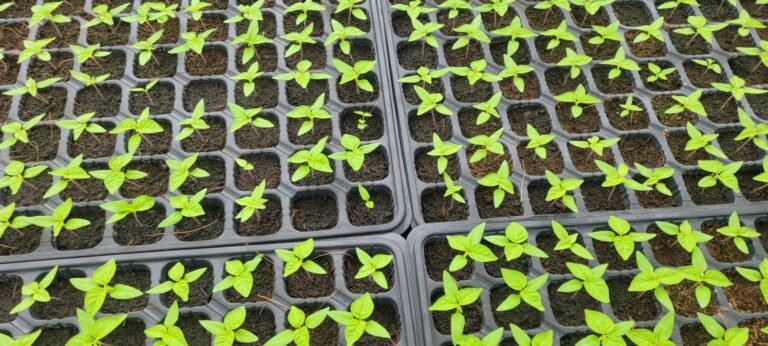
Photo: Rows of tiny green seedlings growing in black plastic seed trays. Pascal Kings, CC BY 4.0, via Wikimedia Commons
What to plant this week in your New York county
The Cornell Cooperative Extension handout gives one set of dates for the whole state, tied to the Ithaca area. It says that where fall weather is milder than in Ithaca, planting a week to ten days later might be possible, and that cooler areas should move the dates 7 to 10 days earlier. The county frost dates on each page show how a county compares. Dates come from the extension publications listed at the bottom of this page; frost dates are NOAA 1991-2020 normals.

What to plant in New York by month
| Month | Crops with an outdoor planting window |
|---|---|
| January | Nothing listed |
| February | Nothing listed |
| March | Nothing listed |
| April | Beets, Broccoli, Brussels Sprouts, Cabbage, Carrots, Cauliflower, Celery, Endive, Kale, Kohlrabi, Leeks, Lettuce, Mustard, Onions, Parsley, Peas, Radish, Rutabagas, Spinach, Swiss Chard, Turnips |
| May | Beans, Beets, Broccoli, Brussels Sprouts, Cabbage, Carrots, Cauliflower, Celery, Eggplant, Endive, Kale, Kohlrabi, Leeks, Lettuce, Mustard, Onions, Parsley, Peas, Pepper, Popcorn, Radish, Rutabagas, Spinach, Sweet Corn, Swiss Chard, Tomatoes, Turnips |
| June | Beans, Beets, Broccoli, Brussels Sprouts, Cabbage, Carrots, Cauliflower, Celery, Cucumber, Eggplant, Endive, Kale, Kohlrabi, Leeks, Lettuce, Muskmelon, Mustard, Okra, Parsley, Peas, Pepper, Popcorn, Radish, Rutabagas, Spinach, Squashes, Summer, Sweet Corn, Swiss Chard, Tomatoes, Turnips, Watermelon |
| July | Beans, Beets, Broccoli, Cabbage, Carrots, Cauliflower, Cucumber, Endive, Kale, Kohlrabi, Lettuce, Mustard, Parsley, Peas, Radish, Rutabagas, Spinach, Squashes, Summer, Sweet Corn, Swiss Chard, Turnips |
| August | Broccoli, Cauliflower, Lettuce, Radish, Spinach, Turnips |
| September | Radish |
| October | Nothing listed |
| November | Nothing listed |
| December | Nothing listed |
Month table for Albany County. The Cornell Cooperative Extension handout gives one set of dates for the whole state, tied to the Ithaca area. It says that where fall weather is milder than in Ithaca, planting a week to ten days later might be possible, and that cooler areas should move the dates 7 to 10 days earlier. The county frost dates on each page show how a county compares. Every county has its own page with its own table.
How the New York list is built
Windows are the planting dates the Cornell Cooperative Extension publications give, matched to each county as described above. A crop shows up for a week when its window is open on any day of that week.
When to plant in New York: crop by crop
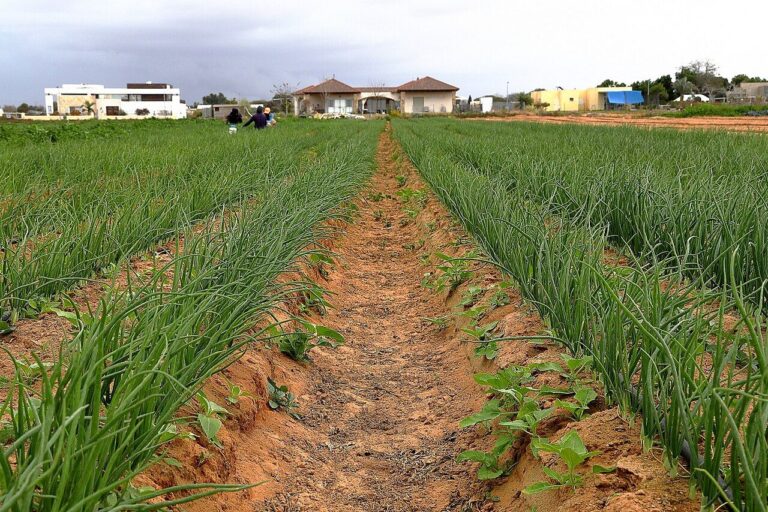
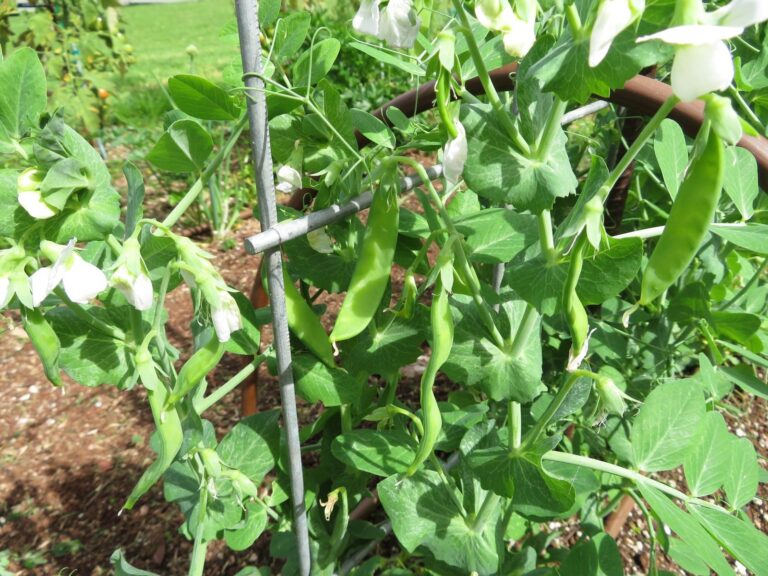
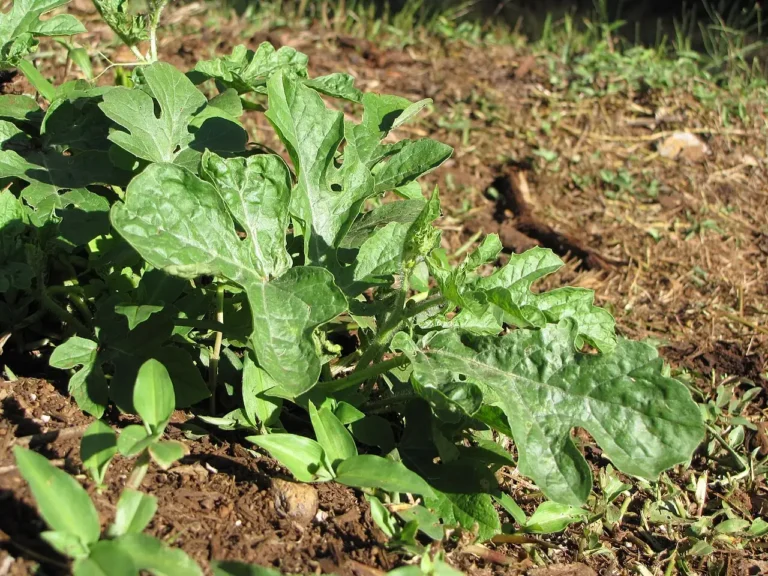
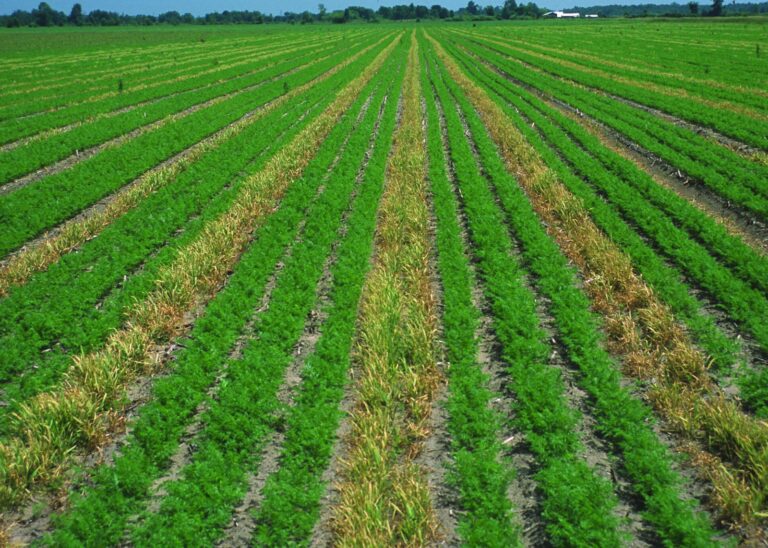
Planting dates for each crop in New York, from the Cornell Cooperative Extension calendar.




What to plant now in New York: questions
What can I plant now in New York?
In November, the Cornell Cooperative Extension calendar has 0 crops with an outdoor planting window in Albany County. Pick your county below for this week's list.
What vegetables can I plant in November in New York?
The statewide calendar lists: nothing this month.
Why does my county have different dates?
The Cornell Cooperative Extension handout gives one set of dates for the whole state, tied to the Ithaca area. It says that where fall weather is milder than in Ithaca, planting a week to ten days later might be possible, and that cooler areas should move the dates 7 to 10 days earlier. The county frost dates on each page show how a county compares.
Does "start indoors" mean I sow seeds inside?
Yes. Some calendars list a date to sow seeds indoors for later transplanting. Where the calendar has no indoor dates, only outdoor planting is shown.
Are these dates safe every year?
No. They are the extension service's typical windows. A late cold snap can still damage tender plants; check the 10% frost date for your county before setting out tomatoes, peppers and other warm-season crops.
Where do the dates come from?
From Cornell Cooperative Extension vegetable planting publications, listed with links at the bottom of this page, and NOAA climate normals for frost dates.
Sources
- First Seeding and Transplanting Dates for Vegetables in New York / Last Seeding and Transplanting Dates for Vegetables in New York (two-page handout) (Cornell Cooperative Extension of Tompkins County (Cornell University)). Publication file.
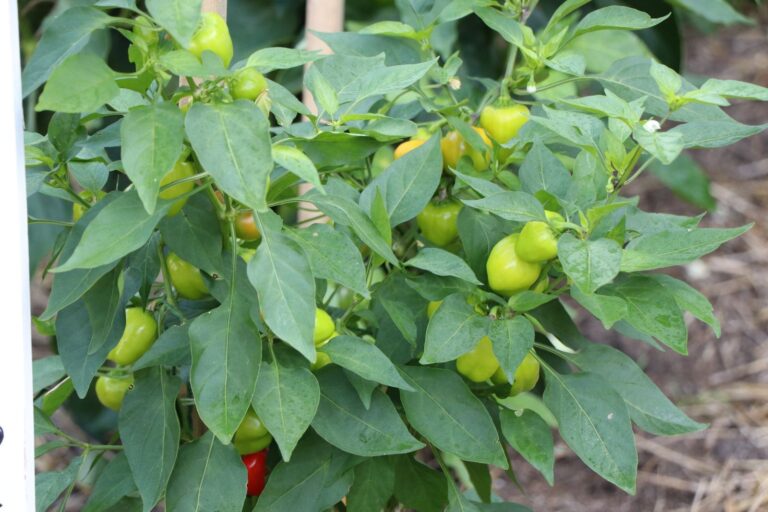
Photos: Rows of tiny green seedlings growing in black plastic seed trays: Pascal Kings, CC BY 4.0, via Wikimedia Commons; Blue Adirondack High Peaks beyond forested slopes along the Northway: Daniel Case, CC BY-SA 3.0, via Wikimedia Commons; Calm Adirondack lake lined with pine forest under a blue sky with clouds: Pstark1, CC BY-SA 4.0, via Wikimedia Commons; Blue water of Lake George with forested mountains from the village beach: Daniel Case, CC BY-SA 3.0, via Wikimedia Commons; White farm barns and fields below wooded hills near Gilboa in the Catskills: Tyler A. McNeil, CC BY-SA 4.0, via Wikimedia Commons; Tomato plant with fruit in a garden: MavisLee, CC BY-SA 3.0, via Wikimedia Commons; Pepper plant in a kitchen garden loaded with green, yellow and red peppers: NPS, Public domain, via Wikimedia Commons; Rows of sweet corn in a field: Wee Hong, CC BY-SA 4.0, via Wikimedia Commons; Clusters of long green bean pods hanging from a climbing bean vine: Nirajan_pant, CC BY-SA 3.0, via Wikimedia Commons; Cucumber vines climbing a wooden trellis in a kitchen garden: NPS, Public domain, via Wikimedia Commons; Harvested zucchini and summer squash: nociveglia from Appennino Emiliano, Italy, CC BY 2.0, via Wikimedia Commons; Leaf lettuce growing in a garden: GT1976, CC BY-SA 4.0, via Wikimedia Commons; Long rows of green onion plants growing in sandy farm soil: ליזי שאנן, CC BY 2.5, via Wikimedia Commons; Pea vines on a garden trellis with white flowers and flat green pods: Forest and Kim Starr, CC BY 2.0, via Wikimedia Commons; Young watermelon plant in a garden: Forest and Kim Starr, CC BY 3.0 us, via Wikimedia Commons; Green broccoli head growing in the center of a leafy plant: Pinakpani, CC BY-SA 4.0, via Wikimedia Commons; Rows of carrots growing between rye windbreak strips in a farm field: Photo by Fred Gasper, USDA Natural Resources Conservation Service, Public domain, via Wikimedia Commons.