Home › Tennessee
Gardening by county
Tennessee Gardening by County
Frost dates, planting zones and planting calendars for all 95 Tennessee counties. The last spring frost ranges from Mar 26 (Lauderdale County) to Apr 27 (Johnson County), and USDA zones run from 6b to 8a.
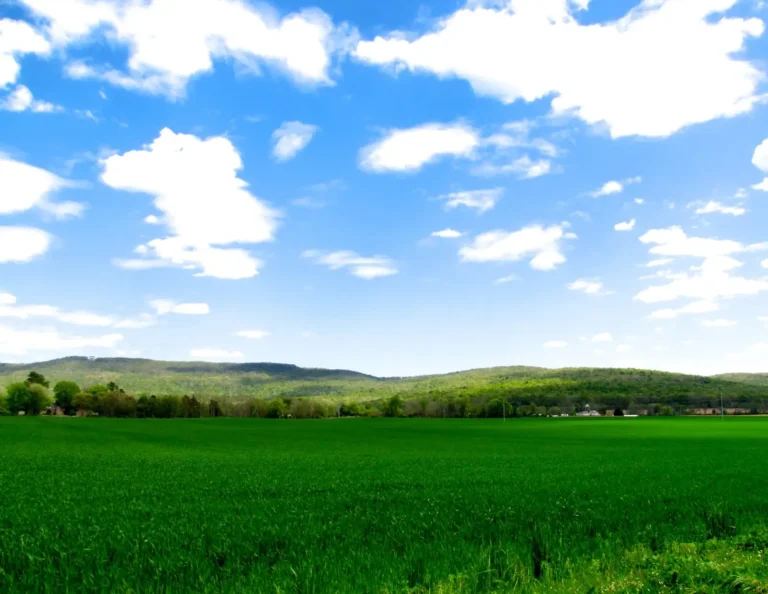
Photo: Green farm fields near Cowan in Franklin County, Tennessee. Brian Stansberry, CC BY 3.0, via Wikimedia Commons
Tennessee garden tools
What to plant now in Tennessee
This week’s planting list for your county from the extension calendar.
Tennessee lawn care calendar: when to seed, overseed and fertilize, and which grass fits each region, from UT Extension publications.
Tennessee invasive plants: which plants are banned from sale, from the official state lists.
Tennessee native plants: native trees, shrubs and wildflowers and which ones feed pollinators, from official lists.


Gardening in Tennessee
The growing season between the last spring and first fall freeze runs from 170 days in Johnson County to 228 days in Marion County. The first fall frost comes as early as Oct 14 in Johnson County and as late as Nov 8 in Marion County.
UT Extension publishes one set of planting dates for all of Tennessee, so the crop dates are the same in every county; only the frost dates change.
The county frost dates come from 90 NOAA weather stations with full 1991-2020 records. The most common USDA zones are 7b (69 counties), 7a (20 counties), 8a (6 counties).
When to plant in Tennessee
- When to plant tomatoes
- When to plant peppers
- When to plant potatoes
- When to plant sweet potatoes
- When to plant sweet corn
- When to plant green beans
- When to plant lima beans
- When to plant peas
- When to plant cucumbers
- When to plant squash
- When to plant winter squash
- When to plant pumpkins
- When to plant watermelon
- When to plant cantaloupe
- When to plant okra
- When to plant eggplant
- When to plant lettuce
- When to plant spinach
- When to plant kale
- When to plant collard greens
- When to plant mustard greens
- When to plant turnips
- When to plant swiss chard
- When to plant cabbage
- When to plant broccoli
- When to plant cauliflower
- When to plant kohlrabi
- When to plant carrots
- When to plant beets
- When to plant radishes
- When to plant onions
Tennessee counties
- Anderson CountyZone 7b, last frost Mar 31
- Bedford CountyZone 7b, last frost Apr 7
- Benton CountyZone 7b, last frost Apr 3
- Bledsoe CountyZone 7a, last frost Apr 11
- Blount CountyZone 7b, last frost Apr 1
- Bradley CountyZone 7b, last frost Apr 6
- Campbell CountyZone 7a, last frost Apr 18
- Cannon CountyZone 7b, last frost Apr 17
- Carroll CountyZone 7b, last frost Apr 2
- Carter CountyZone 7a, last frost Apr 19
- Cheatham CountyZone 7b, last frost Apr 11
- Chester CountyZone 7b, last frost Apr 10
- Claiborne CountyZone 7a, last frost Apr 23
- Clay CountyZone 7a, last frost Apr 20
- Cocke CountyZone 7b, last frost Apr 7
- Coffee CountyZone 7b, last frost Apr 13
- Crockett CountyZone 7b, last frost Mar 28
- Cumberland CountyZone 7a, last frost Apr 16
- Davidson CountyZone 7b, last frost Apr 1
- DeKalb CountyZone 7b, last frost Apr 18
- Decatur CountyZone 7b, last frost Apr 5
- Dickson CountyZone 7b, last frost Apr 13
- Dyer CountyZone 7b, last frost Mar 28
- Fayette CountyZone 8a, last frost Mar 29
- Fentress CountyZone 7a, last frost Apr 17
- Franklin CountyZone 7b, last frost Apr 6
- Gibson CountyZone 7b, last frost Apr 4
- Giles CountyZone 7b, last frost Apr 14
- Grainger CountyZone 7b, last frost Mar 31
- Greene CountyZone 7a, last frost Apr 20
- Grundy CountyZone 7b, last frost Apr 21
- Hamblen CountyZone 7b, last frost Apr 10
- Hamilton CountyZone 8a, last frost Apr 7
- Hancock CountyZone 7a, last frost Apr 14
- Hardeman CountyZone 7b, last frost Apr 3
- Hardin CountyZone 7b, last frost Mar 31
- Hawkins CountyZone 7b, last frost Apr 14
- Haywood CountyZone 8a, last frost Mar 29
- Henderson CountyZone 7b, last frost Apr 5
- Henry CountyZone 7b, last frost Apr 7
- Hickman CountyZone 7b, last frost Apr 11
- Houston CountyZone 7b, last frost Apr 7
- Humphreys CountyZone 7b, last frost Apr 2
- Jackson CountyZone 7a, last frost Apr 20
- Jefferson CountyZone 7b, last frost Apr 24
- Johnson CountyZone 7a, last frost Apr 27
- Knox CountyZone 7b, last frost Apr 11
- Lake CountyZone 7b, last frost Apr 3
- Lauderdale CountyZone 8a, last frost Mar 26
- Lawrence CountyZone 7b, last frost Apr 8
- Lewis CountyZone 7b, last frost Apr 5
- Lincoln CountyZone 7b, last frost Apr 7
- Loudon CountyZone 7b, last frost Apr 5
- Macon CountyZone 7b, last frost Apr 3
- Madison CountyZone 7b, last frost Apr 2
- Marion CountyZone 7b, last frost Mar 26
- Marshall CountyZone 7b, last frost Apr 14
- Maury CountyZone 7b, last frost Apr 10
- McMinn CountyZone 7b, last frost Apr 6
- McNairy CountyZone 7b, last frost Apr 6
- Meigs CountyZone 7b, last frost Apr 4
- Monroe CountyZone 7b, last frost Apr 13
- Montgomery CountyZone 7b, last frost Apr 10
- Moore CountyZone 7b, last frost Apr 15
- Morgan CountyZone 7a, last frost Apr 21
- Obion CountyZone 7b, last frost Apr 3
- Overton CountyZone 7a, last frost Apr 12
- Perry CountyZone 7b, last frost Apr 12
- Pickett CountyZone 7a, last frost Apr 12
- Polk CountyZone 7b, last frost Apr 6
- Putnam CountyZone 7a, last frost Apr 14
- Rhea CountyZone 7b, last frost Apr 11
- Roane CountyZone 7b, last frost Apr 3
- Robertson CountyZone 7a, last frost Apr 9
- Rutherford CountyZone 7b, last frost Apr 9
- Scott CountyZone 7a, last frost Apr 23
- Sequatchie CountyZone 7b, last frost Mar 26
- Sevier CountyZone 7b, last frost Apr 17
- Shelby CountyZone 8a, last frost Mar 29
- Smith CountyZone 7b, last frost Apr 10
- Stewart CountyZone 7b, last frost Apr 4
- Sullivan CountyZone 7b, last frost Apr 16
- Sumner CountyZone 7b, last frost Apr 16
- Tipton CountyZone 8a, last frost Mar 27
- Trousdale CountyZone 7b, last frost Apr 12
- Unicoi CountyZone 7a, last frost Apr 21
- Union CountyZone 7b, last frost Apr 22
- Van Buren CountyZone 7a, last frost Apr 21
- Warren CountyZone 7b, last frost Apr 7
- Washington CountyZone 7a, last frost Apr 21
- Wayne CountyZone 7b, last frost Apr 14
- Weakley CountyZone 7b, last frost Apr 3
- White CountyZone 7b, last frost Apr 15
- Williamson CountyZone 7b, last frost Apr 3
- Wilson CountyZone 7b, last frost Apr 6
Tennessee at a glance
When to plant in Tennessee: crop by crop
Planting dates for each crop in Tennessee, from the UT Extension calendar.












Tennessee gardening questions
When is the last frost in Tennessee?
Between Mar 26 and Apr 27 depending on the county (50% chance, NOAA 1991-2020).
What zone is Tennessee?
USDA zones 6b to 8a on the 2023 map.
What can I plant now in Tennessee?
See what to plant now in Tennessee for this week’s list by county.
Where does this information come from?
NOAA NCEI climate normals, the USDA ARS 2023 Plant Hardiness Zone Map and UT Extension planting publications. Every page lists its sources.
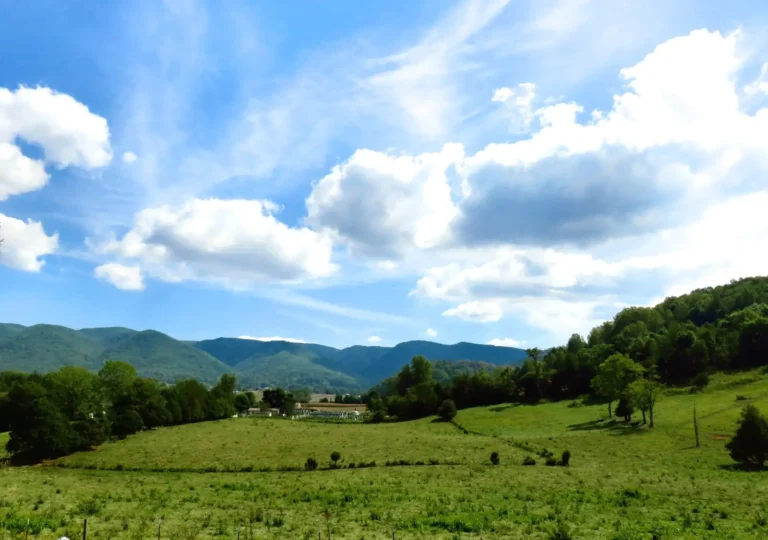
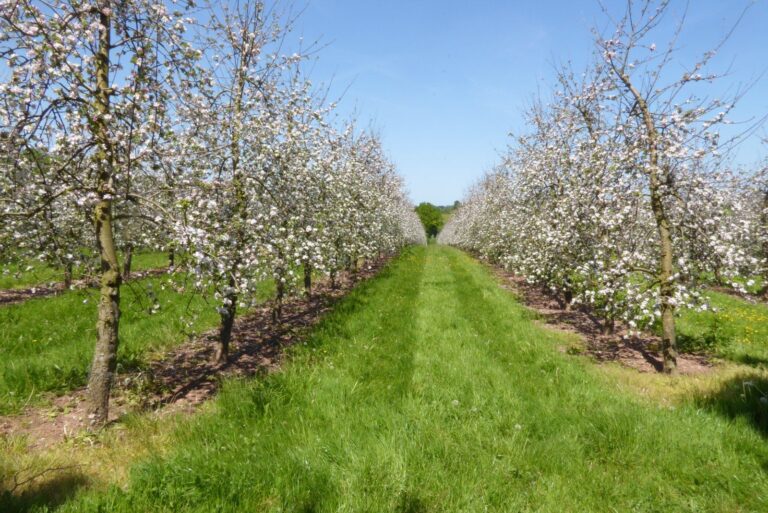
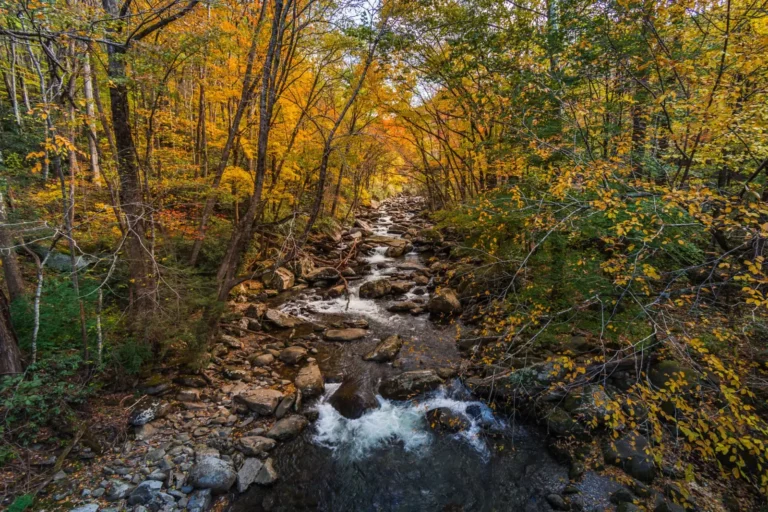
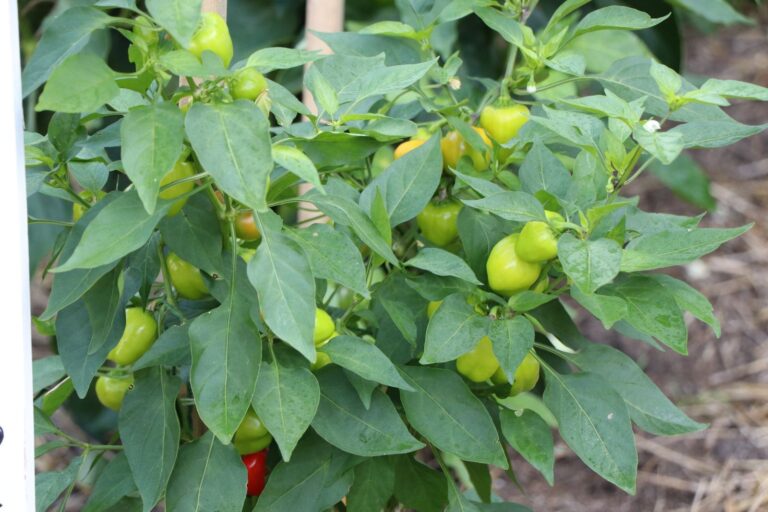
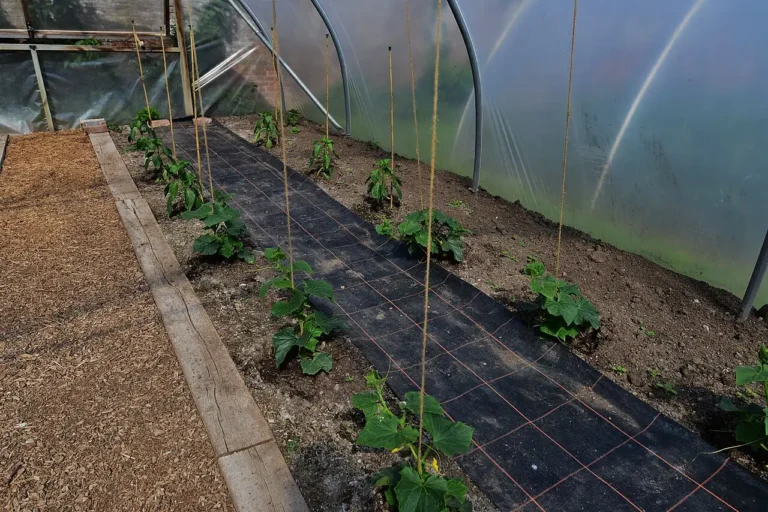
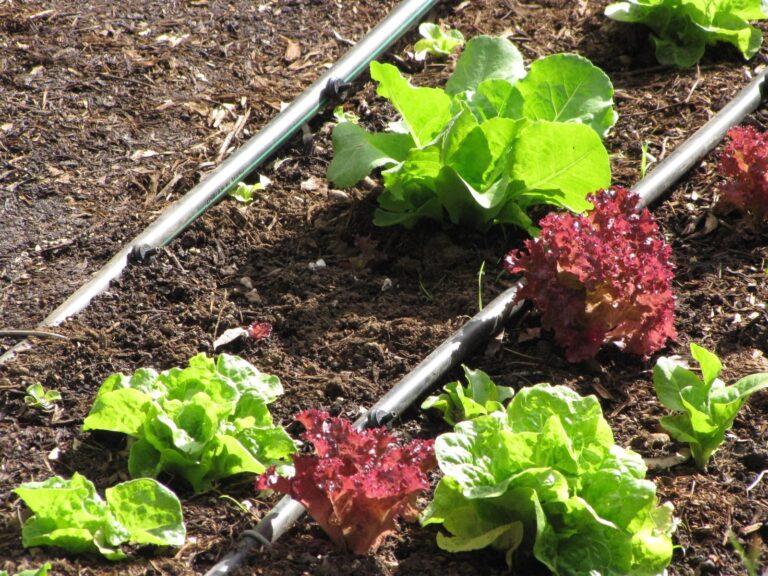
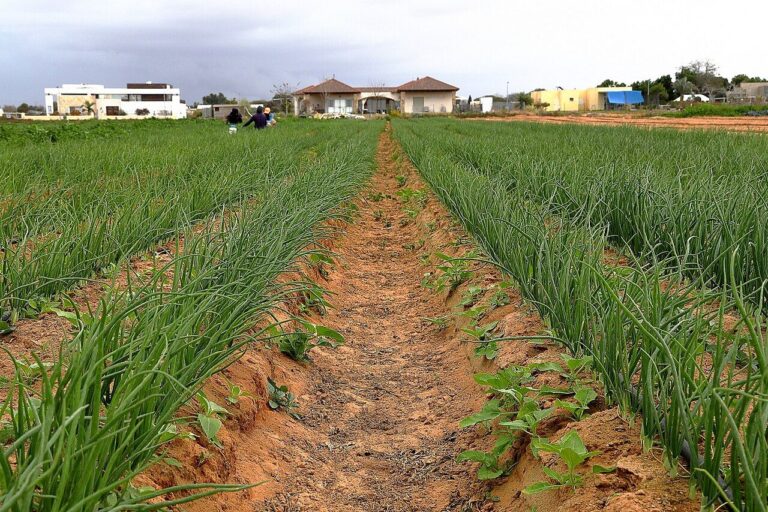
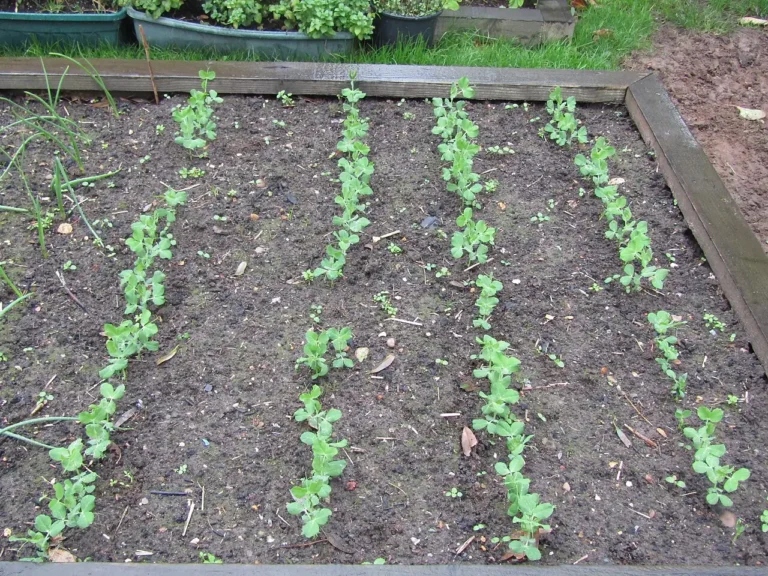
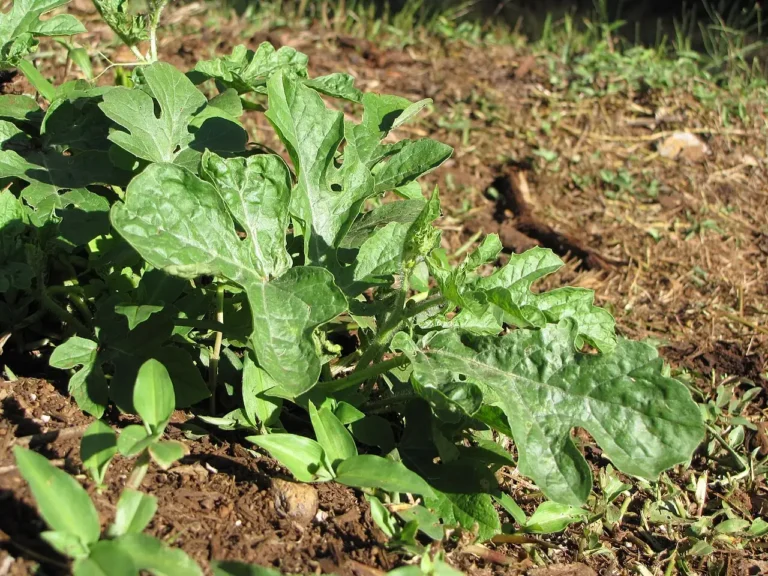
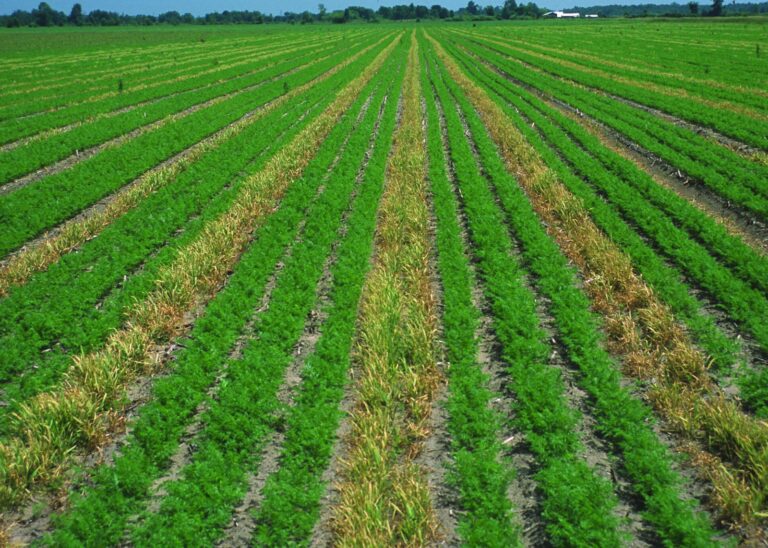
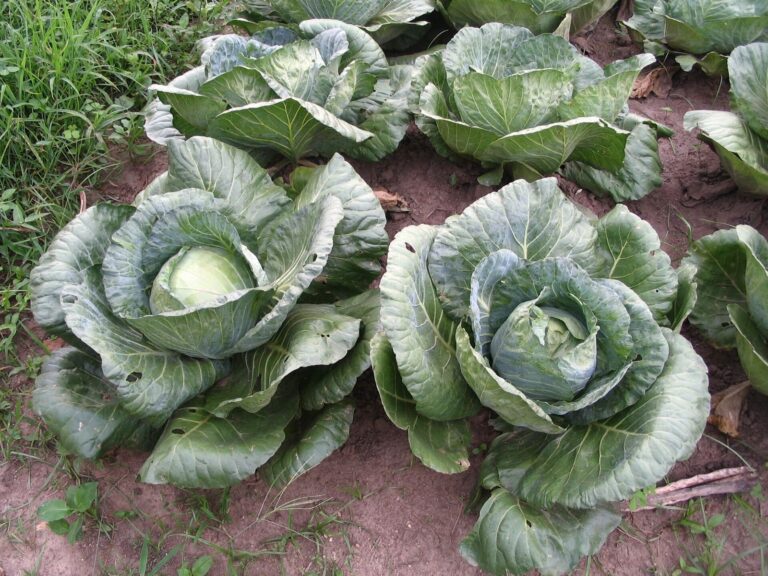
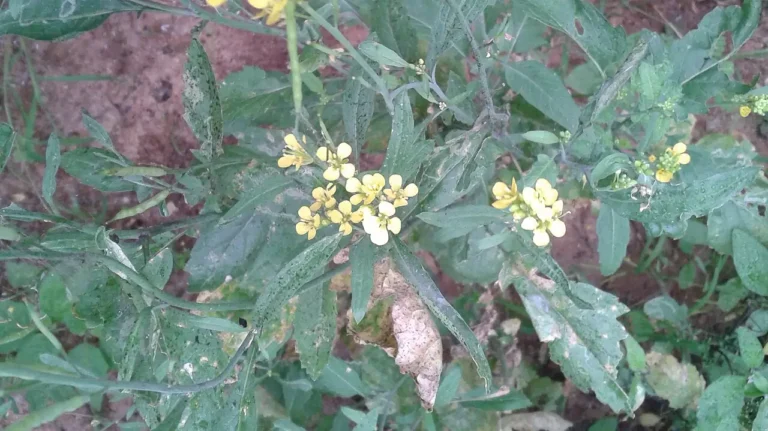
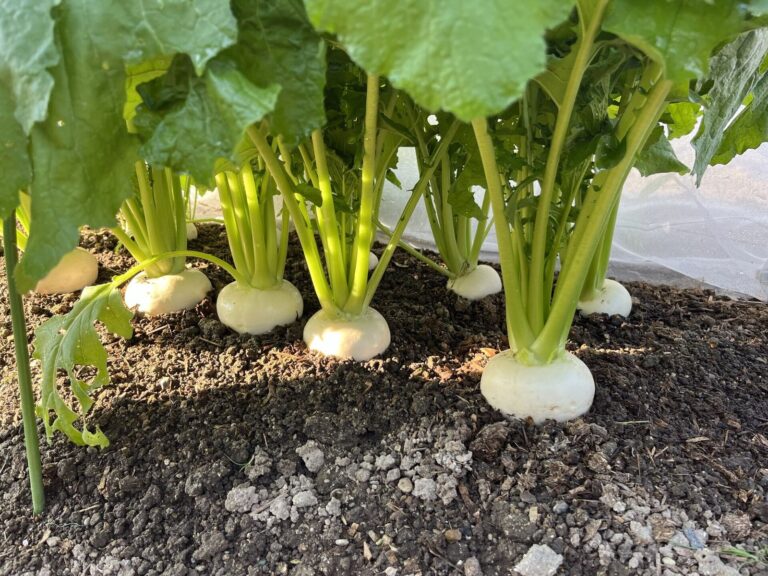
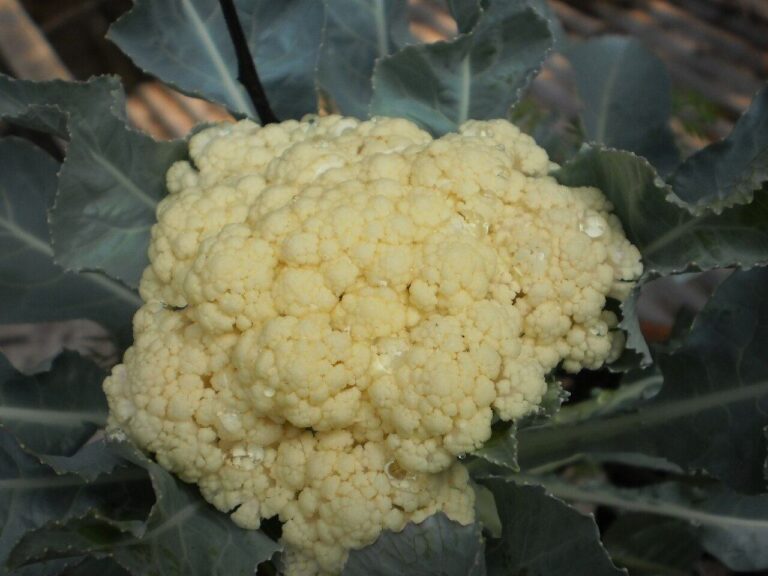
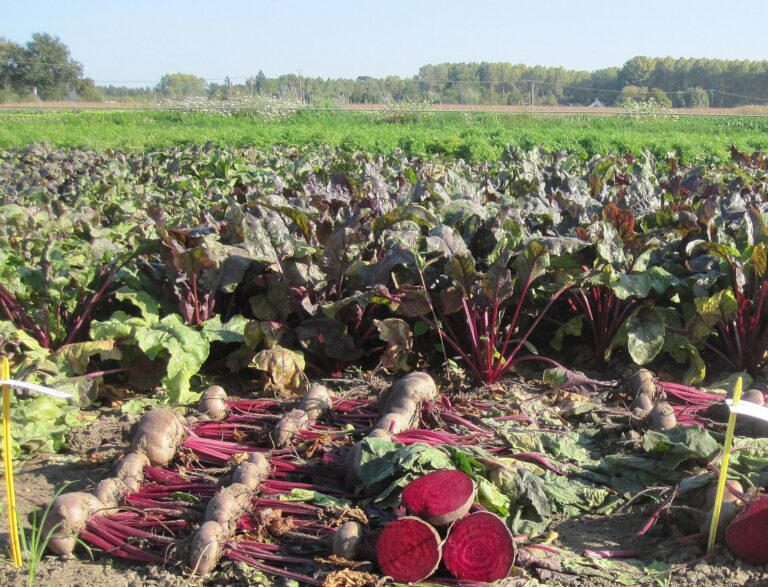
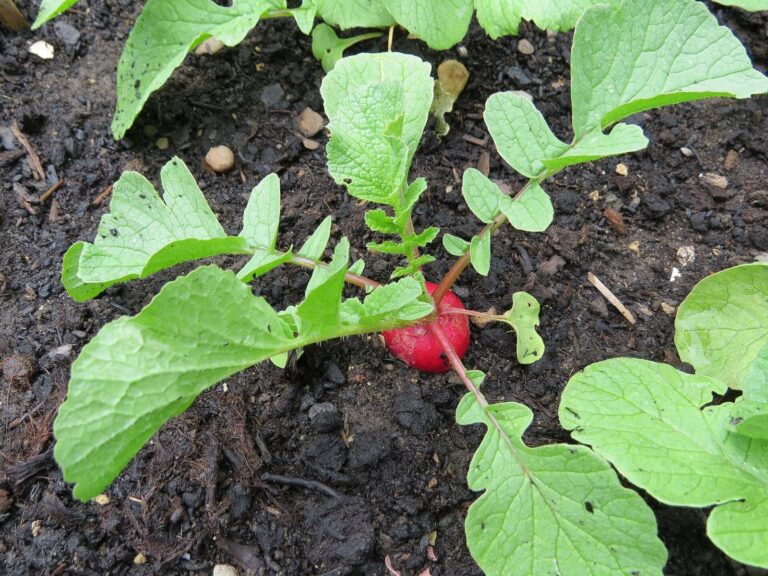
Photos: Green farm fields near Cowan in Franklin County, Tennessee: Brian Stansberry, CC BY 3.0, via Wikimedia Commons; Farmland in Carter County, Tennessee, with the Iron Mountains on the horizon: Brian Stansberry, CC BY 3.0, via Wikimedia Commons; The Big South Fork of the Cumberland River in its forested gorge, Tennessee: ChristopherM (talk) (Uploads), CC BY 2.5, via Wikimedia Commons; Sunrise over forested ridges from the Oconaluftee Valley Overlook, Great Smoky Mountains: Great Smoky Mountains National Park from Gatlinburg, TN, Public domain, via Wikimedia Commons; Fall foliage along the Bote Mountain Trail in the Great Smoky Mountains, Tennessee: Brian Stansberry, CC BY 3.0, via Wikimedia Commons; Mountain stream through fall foliage in Great Smoky Mountains National Park: Don Sniegowski, CC BY 3.0, via Wikimedia Commons; Staked tomato plant in a straw-mulched kitchen garden with green and ripening red tomatoes: NPS, Public domain, via Wikimedia Commons; Pepper plant in a kitchen garden loaded with green, yellow and red peppers: NPS, Public domain, via Wikimedia Commons; Potato plant growing in a garden bed: Kolforn (Kolforn), CC BY-SA 4.0, via Wikimedia Commons; Field of sweet corn in summer: Marathon, CC BY-SA 2.0, via Wikimedia Commons; Clusters of long green bean pods hanging from a climbing bean vine: Nirajan_pant, CC BY-SA 3.0, via Wikimedia Commons; Cucumber plants growing in a greenhouse bed: HARTLEPOOLMARINA2014, CC BY-SA 4.0, via Wikimedia Commons; Zucchini plant with a yellow flower: net_efekt from Oxford, UK, CC BY 2.0, via Wikimedia Commons; Green and red leaf lettuce heads growing along drip lines in a garden bed: Forest and Kim Starr, CC BY 3.0 US, via Wikimedia Commons; Long rows of green onion plants growing in sandy farm soil: ליזי שאנן, CC BY 2.5, via Wikimedia Commons; Rows of young pea plants in a vegetable patch: Kolforn (Kolforn), CC BY-SA 4.0, via Wikimedia Commons; Young watermelon plant in a garden: Forest and Kim Starr, CC BY 3.0 us, via Wikimedia Commons; Harvested pumpkins and squash in a garden: Lolailand, CC BY-SA 4.0, via Wikimedia Commons; Green broccoli head growing in the center of a leafy plant: Pinakpani, CC BY-SA 4.0, via Wikimedia Commons; Rows of carrots growing between rye windbreak strips in a farm field: Photo by Fred Gasper, USDA Natural Resources Conservation Service, Public domain, via Wikimedia Commons; Okra plant with pods: Pallav.journo, CC BY-SA 4.0, via Wikimedia Commons; Raised garden beds full of curly kale with cabbages growing behind: Alabama Extension, CC0, via Wikimedia Commons; Close view of a spinach plant with crinkled dark green leaves in soil: Алексей Тараканов, CC BY-SA 2.0, via Wikimedia Commons; Cabbage heads forming among broad outer leaves in a garden plot: SuSanA Secretariat, CC BY 2.0, via Wikimedia Commons; Sweet potato vines covering the ground: Forest and Kim Starr, CC BY 2.0, via Wikimedia Commons; Lima bean seeds: Filo gèn', CC BY-SA 4.0, via Wikimedia Commons; Harvested butternut squash, one cut open: George Chernilevsky, Public domain, via Wikimedia Commons; Cantaloupe vine with flowers: Photo by David J. Stang, CC BY-SA 4.0, via Wikimedia Commons; Long purple eggplant growing on the plant: BorisAhonon, CC BY-SA 4.0, via Wikimedia Commons; Collard leaf (Brassica oleracea var. viridis): Jules Verne Times Two, CC BY-SA 4.0, via Wikimedia Commons; Mustard plant (Brassica juncea) in flower: Dr.S.Soundarapandian, Public domain, via Wikimedia Commons; White turnip roots swelling above the soil under leafy green tops: Miya, CC BY-SA 4.0, via Wikimedia Commons; Red-stemmed Swiss chard plants growing in a garden bed with drip line: mercedesfromtheeighties, CC BY-SA 2.0, via Wikimedia Commons; Creamy white cauliflower head growing among large blue-green leaves: Edukeralam,( Navaneeth Krishnan S), CC BY-SA 3.0, via Wikimedia Commons; Rows of young kohlrabi plants growing in a sandy farm field: AnRo0002, CC0, via Wikimedia Commons; Red beets growing in a field with some roots pulled and cut open: Arn, CC BY-SA 4.0, via Wikimedia Commons; Red radish root peeking from dark garden soil beneath green leaves: GT1976, CC BY-SA 4.0, via Wikimedia Commons; Savoy cabbage head and outer leaves covered in hoar frost in a vegetable garden: Schlaghecken Josef, CC BY-SA 4.0, via Wikimedia Commons; Rows of tiny green seedlings growing in black plastic seed trays: Pascal Kings, CC BY 4.0, via Wikimedia Commons; Wicker basket of ripe red and orange tomatoes among tomato plants: George Chernilevsky, CC BY 4.0, via Wikimedia Commons; Rows of apple trees in white blossom along a grassy orchard alley: Philip Halling, CC BY-SA 2.0, via Wikimedia Commons.