Home › Georgia › Native plants
Georgia
Georgia Native Plants and Pollinator Plants
406 native plants for Georgia gardens from 4 official lists by UGA Cooperative Extension; 117 are marked by the source as pollinator plants. Pollinator plants include Sugarberry, Red Basil, Trumpet Honeysuckle and Late Boneset.
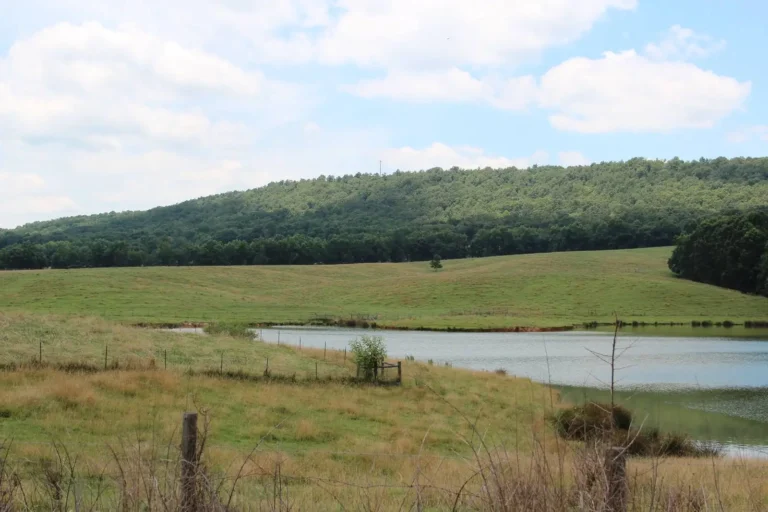
Photo: Pasture and farm pond below wooded Blackjack Mountain in Carroll County. Thomson20192, CC0 1.0, via Flickr
Native plants for Georgia: the short version
Each plant is counted once, even when several lists name it.
Georgia native plants for bees, butterflies and hummingbirds
Sorted by plant type, with the common names the lists use.
Trees (2)
Ogeechee Lime, Sugarberry.
Shrubs (13)
Adam’s Needle, Black Titi, Gallberry or Inkberry, Hoptree, Horse-Sugar, Painted Buckeye, Rabbiteye Blueberry Cultivars, Red Basil, Red Buckeye, Red Titi, Southern Wax Myrtle, Spice-Bush, Summersweet Clethra.
Vines (4)
Carolina Yellow Jessamine, Crossvine, Trumpet Honeysuckle, Trumpetcreeper.
Perennials and wildflowers (78)
Alpine Violet, American Boneset, Appalachian Bergamot, Azure-blue Sage, Beardtongue, Beebalm, Bird’s Foot Violet, Black Cohosh, Blue Mistflower, Blue Wild Indigo, Blue-stemmed Goldenrod, Butterfly Weed, Cardinal Flower, Carolina Flat-topped Goldenrod, Carolina Phlox, Clasping Milkweed, Common Milkweed, Copper Iris, Coral Bean, Cup Plant, Downy Blue Lobelia, Dwarf Cinquefoil, Dwarf Crested Iris, Eastern Columbine, Eastern Sensitive Briar, Eastern Silvery Aster, Fire Pink, Fringed Blue Star, Garden Phlox, Golden Alexander, Gopherweed, Grass-leaved Goldenaster, Gray Goldenrod, Great Blue Lobelia, Hairy Angelica, Indian-pink, Ironweed, Joe-Pye Weed, Kidneyleaf Rosinweed, Late Boneset, Late Purple Aster, Licorice Goldenrod, Lobed Coreopsis, Longbract Wild Indigo, Lyre-leaf Sage, Maryland Goldenaster, Narrowleaf Ironweed, Narrowleaf Sunflower, New England Aster, Obedient Plant, Pink Turtlehead, Pink-scale Blazing Star, Plantain Pussytoes, Scarlet Rose Mallow, Shaggy Blazing Star, Shoofly Wild Indigo, Showy Goldenrod, Small’s Beardtongue, Smooth Beardtongue, Smooth Phlox, Soapwort Gentian, Solomon’s-seal, Spoonshape Barbara’s Buttons, Spotted Horse-mint, Spurred Butterfly Pea, Star Tickseed, Starry Rosinweed, Swamp Milkweed, Tall Blazing Star, Toothwort, Vanillaleaf, White Milkweed, White Turtlehead, White Wild Indigo, White Wood Aster, Wild Sweet William, Woodland Coreopsis, Wrinkle-leaf Goldenrod.
Annual wildflowers (8)
Black-eyed Susan, Bluecurls, Goldenmane Tickseed, Orange Jewelweed, Partridge Pea, Plains Tickseed, Scarlet Sage, Yellow Jewelweed.
Grasses and sedges (12)
Arrowfeather Threeawn, Big Bluestem, Bushy Bluestem, Eastern Gamagrass, Little Bluestem, Lopsided Indian Grass, Poverty Oatgrass, Purpletop, Side Oats Grama, Switchgrass, Virginia Wild Rye, Yellow Indian Grass.
A plant is shown here only where a list marks it for pollinators, bees, butterflies, moths or hummingbirds, or as a butterfly host plant. Entries marked per list: UGA B 987 Part I: 19 entries; UGA B 987 Part III: 86 entries; UGA B 987 Part IV: 12 entries. Ferns are not shown even where a list marks one.
Every native plant on the Georgia lists
The box filters every table below.
Trees (68)
| Plant | Pollinator | Bloom | Light | Listed in |
|---|---|---|---|---|
| American Beech (Fagus grandifolia) | UGA B 987 Part I | |||
| American Holly (Ilex opaca) | UGA B 987 Part I | |||
| American Hornbeam (Carpinus caroliniana) | UGA B 987 Part I | |||
| American Yellowwood (Cladrastis kentukea) | UGA B 987 Part I | |||
| Bald Cypress (Taxodium distichum) | UGA B 987 Part I | |||
| Big-Leaf Magnolia (Magnolia macrophylla) | UGA B 987 Part I | |||
| Bigleaf Snowbell (Styrax grandifolius) | UGA B 987 Part I | |||
| Black Gum or Tupelo (Nyssa sylvatica) | UGA B 987 Part I | |||
| Black Walnut (Juglans nigra) | UGA B 987 Part I | |||
| Buckthorn Bully (Sideroxylon lycioides) | UGA B 987 Part I | |||
| Carolina Buckthorn (Frangula caroliniana) | UGA B 987 Part I | |||
| Carolina Silverbell (Halesia tetraptera) | UGA B 987 Part I | |||
| Cherry Laurel (Prunus caroliniana) | UGA B 987 Part I | |||
| Chestnut Oak (Quercus prinus) | UGA B 987 Part I | |||
| Downy Serviceberry (Amelanchier arborea) | UGA B 987 Part I | |||
| Eastern Hemlock (Tsuga canadensis) | UGA B 987 Part I | |||
| Eastern Hophornbeam (Ostrya virginiana) | UGA B 987 Part I | |||
| Eastern Red Cedar (Juniperus virginiana) | UGA B 987 Part I | |||
| Eastern Redbud (Cercis canadensis) | UGA B 987 Part I | |||
| Florida or Southern Sugar Maple (Acer barbatum) | UGA B 987 Part I | |||
| Flowering Dogwood (Cornus florida) | UGA B 987 Part I | |||
| Fringetree or Grancy-Greybeard (Chionanthus virginicus) | UGA B 987 Part I | |||
| Green Ash (Fraxinus pennsylvanica) | UGA B 987 Part I | |||
| Laurel Oak (Quercus hemisphaerica) | UGA B 987 Part I | |||
| Live Oak (Quercus virginiana) | UGA B 987 Part I | |||
| Loblolly Bay (Gordonia lasianthus) | UGA B 987 Part I | |||
| Loblolly Pine (Pinus taeda) | UGA B 987 Part I | |||
| Longleaf Pine (Pinus palustris) | UGA B 987 Part I | |||
| Mayhaw (Crataegus aestivalis) | UGA B 987 Part I | |||
| Mockernut Hickory (Carya tomentosa) | UGA B 987 Part I | |||
| Narrow-Leaf Crabapple (Malus angustifolia) | UGA B 987 Part I | |||
| Northern Red Oak (Quercus rubra) | UGA B 987 Part I | |||
| Ogeechee Lime (Nyssa Ogeche) | Pollinator plant: The tree is a honey source for bees. | UGA B 987 Part I | ||
| Palmetto Palm or Cabbage Palm (Sabal palmetto) | UGA B 987 Part I | |||
| Parsley Hawthorn (Crataegus marshallii) | UGA B 987 Part I | |||
| Pignut Hickory (Carya glabra) | UGA B 987 Part I | |||
| Possumhaw (Ilex decidua) | UGA B 987 Part I | |||
| Post Oak (Quercus stellata) | UGA B 987 Part I | |||
| Red Bay (Persea borbonia) | UGA B 987 Part I | |||
| Red Maple (Acer rubrum) | UGA B 987 Part I | |||
| River Birch (Betula nigra) | UGA B 987 Part I | |||
| Sassafras (Sassafras albidum) | UGA B 987 Part I | |||
| Scarlet Oak (Quercus coccinea) | UGA B 987 Part I | |||
| Shagbark Hickory (Carya ovata) | UGA B 987 Part I | |||
| Shortleaf Pine (Pinus echinata) | UGA B 987 Part I | |||
| Shumard Oak (Quercus shumardii) | UGA B 987 Part I | |||
| Slash Pine (Pinus elliottii) | UGA B 987 Part I | |||
| Sourwood (Oxydendrum arboreum) | UGA B 987 Part I | |||
| Southern Magnolia (Magnolia grandiflora) | UGA B 987 Part I | |||
| Southern Red Oak (Quercus falcata) | UGA B 987 Part I | |||
| Spruce Pine (Pinus glabra) | UGA B 987 Part I | |||
| Sugar Maple (Acer saccharum) | UGA B 987 Part I | |||
| Sugarberry (Celtis laevigata) | Pollinator plant: It is the larval host of the hackberry emperor butterfly and is a … | UGA B 987 Part I | ||
| Swamp Chestnut Oak or Basket Oak (Quercus michauxii) | UGA B 987 Part I | |||
| Sweetgum (Liquidambar styraciflua) | UGA B 987 Part I | |||
| Sycamore (Platanus occidentalis) | UGA B 987 Part I | |||
| Tulip Poplar or Yellow Poplar (Liriodendron tulipifera) | UGA B 987 Part I | |||
| Two-Winged Silverbell (Halesia diptera) | UGA B 987 Part I | |||
| Virginia Pine (Pinus virginiana) | UGA B 987 Part I | |||
| Washington Hawthorn (Crataegus phaenopyrum) | UGA B 987 Part I | |||
| Water Oak (Quercus nigra) | UGA B 987 Part I | |||
| White Ash (Fraxinus americana) | UGA B 987 Part I | |||
| White Oak (Quercus alba) | UGA B 987 Part I | |||
| White Pine (Pinus strobus) | UGA B 987 Part I | |||
| Wild Olive or Devilwood (Osmanthus americanus) | UGA B 987 Part I | |||
| Willow Oak (Quercus phellos) | UGA B 987 Part I | |||
| Yaupon Holly (Ilex vomitoria) | UGA B 987 Part I | |||
| Yellow Buckeye (Aesculus flava) | UGA B 987 Part I |
Shrubs (67)
| Plant | Pollinator | Bloom | Light | Listed in |
|---|---|---|---|---|
| Adam’s Needle (Yucca filamentosa) | Pollinator plant: Flowers are pollinated by only one insect — the yucca moth. | UGA B 987 Part I | ||
| Alabama Azalea (Rhododendron alabamense) | UGA B 987 Part I | |||
| American Beautyberry (Callicarpa americana) | UGA B 987 Part I | |||
| American Bladdernut (Staphylea trifolia) | UGA B 987 Part I | |||
| American Snowbell (Styrax americanus) | UGA B 987 Part I | |||
| Arrowwood Viburnum (Viburnum dentatum) | UGA B 987 Part I | |||
| Black Titi (Cliftonia monophylla) | Pollinator plant: Because it is attractive to bees when flowering, it may be best to … | UGA B 987 Part I | ||
| Blackhaw Viburnum (Viburnum prunifolium) | UGA B 987 Part I | |||
| Bottlebrush Buckeye (Aesculus parviflora) | UGA B 987 Part I | |||
| Button Bush (Cephalanthus occidentalis) | UGA B 987 Part I | |||
| Catawba Rosebay (Rhododendron catawbiense) | UGA B 987 Part I | |||
| Coastal Azalea (Rhododendron atlanticum) | UGA B 987 Part I | |||
| Common Witchhazel (Hamamelis virginiana) | UGA B 987 Part I | |||
| Darrow’s Blueberry or Glaucous Blueberry (Vaccinium darrowii) | UGA B 987 Part I | |||
| Deerberry (Vaccinium stamineum) | UGA B 987 Part I | |||
| Devil’s Walkingstick (Aralia spinosa) | UGA B 987 Part I | |||
| Drooping Leucothoe (Leucothoe fontanesiana) | UGA B 987 Part I | |||
| Dwarf Fothergilla (Fothergilla gardenii) | UGA B 987 Part I | |||
| Dwarf Palmetto (Bluestem Palmetto) (Sabal minor) | UGA B 987 Part I | |||
| Fetterbush (Lyonia lucida) | UGA B 987 Part I | |||
| Fetterbush or Pipestem (Agarista populifolia) | UGA B 987 Part I | |||
| Flame Azalea (Rhododendron calendulaceum) | UGA B 987 Part I | |||
| Florida Anise-Tree (Illicium floridanum) | UGA B 987 Part I | |||
| Florida Azalea (Rhododendron austrinum) | UGA B 987 Part I | |||
| Gallberry or Inkberry (Ilex glabra) | Pollinator plant: Gallberry is an excellent source of nectar for both native and honey … | UGA B 987 Part I | ||
| Georgia Basil (Clinopodium georgianum) | UGA B 987 Part I | |||
| Great Laurel (Rhododendron maximum) | UGA B 987 Part I | |||
| Groundsel Bush (Baccharis halimifolia) | UGA B 987 Part I | |||
| Hammock Sweet Azalea (Rhododendron serralatum) | UGA B 987 Part I | |||
| Hillside Blueberry or Blue Ridge Blueberry (Vaccinium pallidum) | UGA B 987 Part I | |||
| Honeycup (Zenobia pulverulenta) | UGA B 987 Part I | |||
| Hoptree (Ptelea trifoliata) | Pollinator plant: A host plant for butterflies. | UGA B 987 Part I | ||
| Horse-Sugar (Symplocos tinctoria) | Pollinator plant: It is a butterfly larva host plant. | UGA B 987 Part I | ||
| Littlehip Hawthorn (Crataegus spathulata) | UGA B 987 Part I | |||
| Mapleleaf Viburnum (Viburnum acerifolium) | UGA B 987 Part I | |||
| Mayberry (Vaccinium elliottii) | UGA B 987 Part I | |||
| Mountain Laurel (Kalmia latifolia) | UGA B 987 Part I | |||
| Mountain Stewartia (Stewartia ovata) | UGA B 987 Part I | |||
| Needle Palm (Rhapidophyllum hystrix) | UGA B 987 Part I | |||
| Oakleaf Hydrangea (Hydrangea quercifolia) | UGA B 987 Part I | |||
| Oconee Azalea (Rhododendron flammeum) | UGA B 987 Part I | |||
| Painted Buckeye (Aesculus sylvatica) | Pollinator plant: Hummingbirds use Painted Buckeye heavily as they move north during … | UGA B 987 Part I | ||
| Piedmont Azalea (Rhododendron canescens) | UGA B 987 Part I | |||
| Piedmont Rhododendron (Rhododendron minus) | UGA B 987 Part I | |||
| Pinckneya (Pinckneya bracteata) | UGA B 987 Part I | |||
| Plumleaf Azalea (Rhododendron prunifolium) | UGA B 987 Part I | |||
| Rabbiteye Blueberry Cultivars (Vaccinium virgatum) | Pollinator plant: For good cross pollination, plant two or more cultivars. The main … | UGA B 987 Part I | ||
| Red Basil (Clinopodium coccinea) | Pollinator plant: Hummingbirds love its flowers. | UGA B 987 Part I | ||
| Red Buckeye (Aesculus pavia) | Pollinator plant: Scarlet, tubular flowers with protruding stamens are pollinated by … | UGA B 987 Part I | ||
| Red Titi (Cyrilla racemiflora) | Pollinator plant: It is attractive to bees, so use it away from public areas. … | UGA B 987 Part I | ||
| Rusty Blackhaw (Viburnum rufidulum) | UGA B 987 Part I | |||
| Saw Palmetto (Serenoa repens) | UGA B 987 Part I | |||
| Small Anise-Tree or Yellow Anise-Tree (Illicium parviflorum) | UGA B 987 Part I | |||
| Southern Highbush Blueberry (Vaccinium corymbosum) | UGA B 987 Part I | |||
| Southern Wax Myrtle (Morella cerifera) | Pollinator plant: It attracts birds and bees. | UGA B 987 Part I | ||
| Sparkleberry (Vaccinium arboreum) | UGA B 987 Part I | |||
| Spice-Bush (Lindera benzoin) | Pollinator plant: Host plant for the spicebush swallowtail butterfly. | UGA B 987 Part I | ||
| Strawberry-Bush (Euonymus americanus) | UGA B 987 Part I | |||
| Summersweet Clethra (Clethra alnifolia) | Pollinator plant: Attracts butterflies. | UGA B 987 Part I | ||
| Swamp Azalea (Rhododendron viscosum) | UGA B 987 Part I | |||
| Swamp-Haw (Viburnum nudum) | UGA B 987 Part I | |||
| Sweet Azalea (Rhododendron arborescens) | UGA B 987 Part I | |||
| Sweetshrub (Calycanthus floridus) | UGA B 987 Part I | |||
| Virginia Sweetspire (Itea virginica) | UGA B 987 Part I | |||
| Winged Sumac (Rhus copallina) | UGA B 987 Part I | |||
| Winterberry (Ilex verticillata) | UGA B 987 Part I | |||
| Yellow-Root (Xanthorhiza simplicissima) | UGA B 987 Part I |
Vines (9)
| Plant | Pollinator | Bloom | Light | Listed in |
|---|---|---|---|---|
| American Wisteria (Wisteria frutescens) | UGA B 987 Part I | |||
| Carolina Yellow Jessamine (Gelsemium sempervirens) | Pollinator plant: Attractive to hummingbirds and songbirds. | UGA B 987 Part I | ||
| Climbing Hydrangea (Decumaria barbara) | UGA B 987 Part I | |||
| Crossvine (Bignonia capreolata) | Pollinator plant: A good hummingbird plant. | UGA B 987 Part I | ||
| Dwarf Smilax (Sarsparilla Vine) (Smilax pumila) | UGA B 987 Part I | |||
| Lanceleaf Smilax (Smilax smallii) | UGA B 987 Part I | |||
| Trumpet Honeysuckle (Lonicera sempervirens) | Pollinator plant: Birds eat the fruit, and hummingbirds enjoy the flowers, which are … | UGA B 987 Part I | ||
| Trumpetcreeper (Campsis radicans) | Pollinator plant: A good hummingbird plant. | UGA B 987 Part I | ||
| Virginia Creeper (Parthenocissus quinquefolia) | UGA B 987 Part I |
Perennials and wildflowers (154)
| Plant | Pollinator | Bloom | Light | Listed in |
|---|---|---|---|---|
| Alpine Violet (Viola labradorica) | Pollinator plant: Alpine Violet may be used as a groundcover between stepping stones in … | Spring | full sun, partial shade | UGA B 987 Part III |
| American Boneset (Eupatorium perfoliatum) | Pollinator plant: This plant attracts butterflies and a large variety of other insects. | Summer | full sun, partial shade | UGA B 987 Part III |
| Anglefruit Milkvine (Matelea gonocarpos) | Summer | full sun, partial shade | UGA B 987 Part III | |
| Appalachian Bergamot (Monarda fistulosa) | Pollinator plant: Use Appalachian Bergamot in moist woodland gardens, meadows, herb … | Summer | full sun, partial shade | UGA B 987 Part III |
| Atamasco Lily (Zephyranthes atamasca) | UGA B 987 Part III | |||
| Azure-blue Sage (Salvia azurea) | Pollinator plant: Use Azure-blue Sage in perennial gardens, cottage gardens, wildflower … | Fall | full sun | UGA B 987 Part III |
| Beardtongue (Penstemon canescens) | Pollinator plant: Use Beardtongue in perennial borders, rock gardens, butterfly gardens … | Spring | full sun, partial shade | UGA B 987 Part III |
| Beebalm (Monarda didyma) | Pollinator plant: Use Beebalm in perennial borders, wildflower gardens, herb gardens, … | Summer | full sun (Morn.), shade (Aft.) | UGA B 987 Part III |
| Bird’s Foot Violet (Viola pedata) | Pollinator plant: Bees and butterflies pollinate the flowers. | Spring | full sun, partial shade | UGA B 987 Part III |
| Black Cohosh (Actaea racemosa) | Pollinator plant: Use Black Cohosh to brighten shady areas in the landscape, such as … | Spring, Summer | partial shade, shade | UGA B 987 Part III |
| Bloodroot (Sanguinaria canadensis) | Spring | shade | UGA B 987 Part III | |
| Blue Cohosh (Caulophyllum thalictroides) | Spring | shade | UGA B 987 Part III | |
| Blue Mistflower (Conoclinium coelestinum) | Pollinator plant: It attracts butterflies and is useful in butterfly gardens. | Summer, Fall | full sun, partial shade | UGA B 987 Part III |
| Blue Wild Indigo (Baptisia australis) | Pollinator plant: Use Blue Wild Indigo in wildflower meadows, butterfly gardens and … | Spring | full sun, partial shade | UGA B 987 Part III |
| Blue-eyed-grass (Sisyrinchium angustifolium) | Spring | full sun, partial shade | UGA B 987 Part III | |
| Blue-stemmed Goldenrod (Solidago caesia) | Pollinator plant: Butterflies are attracted to the flowers and birds like the seeds. | Summer, Fall | full sun (Morn.), shade (Aft.) | UGA B 987 Part III |
| Brown-eyed Susan (Rudbeckia triloba) | Summer, Fall | full sun, partial shade | UGA B 987 Part III | |
| Butterfly Weed (Asclepias tuberosa) | Pollinator plant: This plant is an excellent addition to butterfly gardens, native … | Spring, Summer | full sun | UGA B 987 Part III |
| Calico Aster (Symphyotrichum lateriflorum) | Summer, Fall | partial shade | UGA B 987 Part III | |
| Canadian Wild Ginger (Asarum canadense) | Spring | partial shade, shade | UGA B 987 Part III | |
| Cardinal Flower (Lobelia cardinalis) | Pollinator plant: This is a great plant for perennial borders as well as hummingbird … | Summer | full sun (Morn.), shade (Aft.) | UGA B 987 Part III |
| Carolina Coralbead (Cocculus carolinus) | Summer | full sun, partial shade | UGA B 987 Part III | |
| Carolina Flat-topped Goldenrod (Euthamia caroliniana) | Pollinator plant: The plant is an important source of nectar in late autumn for small … | Summer | full sun | UGA B 987 Part III |
| Carolina Larkspur (Delphinium carolinianum) | Spring | full sun, partial shade | UGA B 987 Part III | |
| Carolina Lily (Lilium michauxii) | Summer | full sun, partial shade | UGA B 987 Part III | |
| Carolina Phlox (Phlox carolina) | Pollinator plant: This is a good plant for woodland gardens, perennial borders and … | Summer | full sun, partial shade | UGA B 987 Part III |
| Catesby’s Trillium (Trillium catesbaei) | Spring | shade | UGA B 987 Part III | |
| Clasping Milkweed (Asclepias amplexicaulis) | Pollinator plant: Use Clasping Milkweed in sunny perennial borders, meadows and … | Summer | full sun | UGA B 987 Part III |
| Common Milkweed (Asclepias syriaca) | Pollinator plant: Use Common Milkweed in butterfly gardens, perennial borders, … | Spring, Summer | full sun | UGA B 987 Part III |
| Common White Snakeroot (Ageratina altissima) | Summer, Fall | full sun, partial shade | UGA B 987 Part III | |
| Copper Iris (Iris fulva) | Pollinator plant: Bees and hummingbirds are attracted to the flowers. | Spring | full sun, partial shade | UGA B 987 Part III |
| Coral Bean (Erythrina herbacea) | Pollinator plant: Hummingbirds visit its flowers. | Spring | full sun, partial shade | UGA B 987 Part III |
| Coral Bells (Heuchera americana) | Spring | partial shade, shade | UGA B 987 Part III | |
| Creeping Phlox (Phlox stolonifera) | Summer | partial shade | UGA B 987 Part III | |
| Crimson-eyed Rose Mallow (Hibiscus moscheutos) | Summer, Fall | full sun | UGA B 987 Part III | |
| Crinum Lily (Crinum americanum) | Summer | full sun, partial shade | UGA B 987 Part III | |
| Cup Plant (Silphium perfoliatum) | Pollinator plant: This is a large plant that needs to be used as a background plant in … | Summer | full sun | UGA B 987 Part III |
| Cutleaf Coneflower (Rudbeckia laciniata) | Summer | full sun | UGA B 987 Part III | |
| Dense Blazing Star (Liatris spicata) | Summer | full sun, partial shade | UGA B 987 Part III | |
| Dimpled Trout Lily (Erythronium umbilicatum) | Spring | partial shade, shade | UGA B 987 Part III | |
| Doll’s Eyes (Actaea pachypoda) | Spring | partial shade, shade | UGA B 987 Part III | |
| Downy Blue Lobelia (Lobelia puberula) | Pollinator plant: Use this plant in perennial borders as well as hummingbird and … | Summer, Fall | full sun (Morn.), shade (Aft.) | UGA B 987 Part III |
| Dwarf Cinquefoil (Potentilla canadensis) | Pollinator plant: This plant is a good groundcover for sunny, drought-prone sites and … | Spring, Summer | full sun | UGA B 987 Part III |
| Dwarf Crested Iris (Iris cristata) | Pollinator plant: The flowers attract hummingbirds and bees. | Spring | partial shade, shade | UGA B 987 Part III |
| Dwarf Violet Iris (Iris verna) | Spring | full sun (Morn.) | UGA B 987 Part III | |
| Eastern Columbine (Aquilegia canadensis) | Pollinator plant: Use Eastern Columbine in wildflower meadows, butterfly and … | Spring | full sun, partial shade | UGA B 987 Part III |
| Eastern Sensitive Briar (Mimosa microphylla) | Pollinator plant: The flowers are attractive to bees, and birds like the seeds. | Summer | full sun | UGA B 987 Part III |
| Eastern Shooting Star (Dodecatheon meadia) | Spring | shade | UGA B 987 Part III | |
| Eastern Silvery Aster (Symphyotrichum concolor) | Pollinator plant: Birds, butterflies and deer are attracted to the plant. | Fall | full sun, partial shade | UGA B 987 Part III |
| Fairy Wand (Chamaelirium luteum) | Spring | partial shade, shade | UGA B 987 Part III | |
| Fire Pink (Silene virginica) | Pollinator plant: Fire Pink is pollinated by the Ruby-throated Hummingbird, which is … | Spring | partial shade | UGA B 987 Part III |
| Fly Poison (Amianthium muscitoxicum) | Summer | full sun (Morn.), shade (Aft.) | UGA B 987 Part III | |
| Foamflower (Tiarella cordifolia) | Spring | shade | UGA B 987 Part III | |
| Fringed Blue Star (Amsonia ciliata) | Pollinator plant: Butterflies are attracted to the flowers. | Spring | full sun, partial shade | UGA B 987 Part III |
| Garden Phlox (Phlox paniculata) | Pollinator plant: Garden Phlox is a favorite plant for perennial borders, cottage … | Summer | full sun, partial shade | UGA B 987 Part III |
| Golden Alexander (Zizia aurea) | Pollinator plant: Use this plant in perennial borders, wildflower meadows or butterfly … | UGA B 987 Part III | ||
| Golden Ragwort (Packera aurea) | Spring | full sun, partial shade | UGA B 987 Part III | |
| Gopherweed (Baptisia lanceolata) | Pollinator plant: Use Gopherweed in perennial borders, rock gardens, butterfly gardens … | Spring, Summer | full sun | UGA B 987 Part III |
| Grass-leaved Goldenaster (Pityopsis graminifolia) | Pollinator plant: Use Grass-leaved Goldenaster in perennial borders, wildflower … | Fall | full sun | UGA B 987 Part III |
| Gray Goldenrod (Solidago nemoralis) | Pollinator plant: This is a good plant for wildflower meadows, sunny perennial gardens, … | Fall | full sun (Morn.), shade (Aft.) | UGA B 987 Part III |
| Great Blue Lobelia (Lobelia siphilitica) | Pollinator plant: Use Great Blue Lobelia in bog gardens, wet areas or hummingbird and … | Summer | full sun (Morn.), shade (Aft.) | UGA B 987 Part III |
| Green Dragon (Arisaema dracontium) | Spring | partial shade | UGA B 987 Part III | |
| Green-and-gold (Chrysogonum virginianum) | Spring | partial shade | UGA B 987 Part III | |
| Hairy Angelica (Angelica venenosa) | Pollinator plant: It is often devoured by the caterpillar of the Black Swallowtail … | Summer | full sun, partial shade | UGA B 987 Part III |
| Hairy Elephant’s-foot (Elephantopus tomentosus) | Summer | full sun, partial shade | UGA B 987 Part III | |
| Hairy Phlox (Phlox amoena) | Spring | full sun | UGA B 987 Part III | |
| Hairy Skullcap (Scutellaria elliptica) | Spring | partial shade, shade | UGA B 987 Part III | |
| Halberd-leaf Rose Mallow (Hibiscus laevis) | Summer, Fall | full sun, partial shade | UGA B 987 Part III | |
| Halberdleaf Yellow Violet (Viola hastata) | Spring | partial shade | UGA B 987 Part III | |
| Hepatica (Hepatica americana) | Spring | partial shade | UGA B 987 Part III | |
| Hyssop Skullcap (Scutellaria integrifolia L.) | Summer | partial shade | UGA B 987 Part III | |
| Indian-pink (Spigelia marilandica) | Pollinator plant: The flowers attract hummingbirds. | Spring | partial shade | UGA B 987 Part III |
| Ironweed (Vernonia noveboracensis) | Pollinator plant: Use Ironweed as a background plant in perennial borders, cottage … | Summer | full sun | UGA B 987 Part III |
| Jack-in-the-pulpit (Arisaema triphyllum spp. quinatum) | Spring | partial shade | UGA B 987 Part III | |
| Joe-Pye Weed (Eutrochium fistulosum) | Pollinator plant: This is one of the most interesting plants to have at the back of a … | Summer | full sun | UGA B 987 Part III |
| Kidneyleaf Rosinweed (Silphium compositum) | Pollinator plant: Plant Kidneyleaf Rosinweed in groups of several plants in the … | Summer | full sun, partial shade | UGA B 987 Part III |
| Lance-leaved Trillium (Trillium lancifolium) | Spring | shade | UGA B 987 Part III | |
| Large-flowered Coreopsis (Coreopsis grandiflora) | Summer, Fall | full sun, partial shade | UGA B 987 Part III | |
| Largeflower Heartleaf (Hexastylis shuttleworthii) | Spring | partial shade, shade | UGA B 987 Part III | |
| Late Boneset (Eupatorium serotinum) | Pollinator plant: The flowers attract nectar-feeding butterflies, bees and moths. | Summer | full sun, partial shade | UGA B 987 Part III |
| Late Purple Aster (Symphyotrichum patens) | Pollinator plant: Flowers attract butterflies. | Summer, Fall | full sun, partial shade | UGA B 987 Part III |
| Licorice Goldenrod (Solidago odora) | Pollinator plant: Use this plant in native plant gardens, perennial borders, cottage … | Summer, Fall | full sun | UGA B 987 Part III |
| Little Brown Jug (Hexastylis arifolia) | Spring | partial shade, shade | UGA B 987 Part III | |
| Lobed Coreopsis (Coreopsis auriculata) | Pollinator plant: The flowers attract butterflies and the seeds attract birds. | Spring | full sun, partial shade | UGA B 987 Part III |
| Longbract Wild Indigo (Baptisia bracteata) | Pollinator plant: Longbract Wild Indigo provides a nice backdrop in perennial gardens, … | Spring | full sun, partial shade | UGA B 987 Part III |
| Longspur Violet (Viola rostrata) | Spring | full sun, partial shade | UGA B 987 Part III | |
| Lyre-leaf Sage (Salvia lyrata) | Pollinator plant: It also is a favorite plant of hummingbirds and butterflies. | Spring | full sun, partial shade | UGA B 987 Part III |
| Maryland Goldenaster (Chrysopsis mariana) | Pollinator plant: Use Maryland Goldenaster in butterfly gardens and open meadows. | Summer | full sun | UGA B 987 Part III |
| Maryland Meadow Beauty (Rhexia mariana) | Summer | partial shade | UGA B 987 Part III | |
| Mayapple (Podophyllum peltatum) | Spring | partial shade, shade | UGA B 987 Part III | |
| Meadow Beauty (Rhexia virginica) | Summer, Fall | partial shade | UGA B 987 Part III | |
| Moss Phlox (Phlox subulata) | Spring | full sun (Morn.), shade (Aft.) | UGA B 987 Part III | |
| Narrowleaf Ironweed (Vernonia angustifolia) | Pollinator plant: It is an excellent choice for rock gardens and butterfly gardens. … | Summer | full sun | UGA B 987 Part III |
| Narrowleaf Sunflower (Helianthus angustifolius) | Pollinator plant: The flowers attract butterflies, finches eat the seeds, and deer like … | Fall | full sun, partial shade | UGA B 987 Part III |
| New England Aster (Symphyotrichum novae-angliae) | Pollinator plant: Use New England Aster in perennial borders, cottage gardens or … | Summer, Fall | full sun, partial shade | UGA B 987 Part III |
| Obedient Plant (Physostegia virginiana) | Pollinator plant: Use this plant in perennial borders, wildflower gardens or butterfly … | Fall | full sun, partial shade | UGA B 987 Part III |
| Orange Coneflower (Rudbeckia fulgida) | Summer, Fall | full sun | UGA B 987 Part III | |
| Partridge-berry (Mitchella repens) | Spring | partial shade | UGA B 987 Part III | |
| Pink Turtlehead (Chelone lyonii) | Pollinator plant: Like White Turtlehead, it is a host plant for the larvae of the … | Summer | partial shade, shade | UGA B 987 Part III |
| Pink-scale Blazing Star (Liatris elegans) | Pollinator plant: Use Pink-scale Blazing Star in sunny meadows, perennial borders, … | Summer, Fall | full sun | UGA B 987 Part III |
| Plantain Pussytoes (Antennaria plantaginifolia) | Pollinator plant: Butterflies are attracted to the flowers. | Spring | full sun, partial shade | UGA B 987 Part III |
| Purple Coneflower (Echinacea purpurea) | Spring, Summer | full sun, partial shade | UGA B 987 Part III | |
| Rattlesnake-master (Eryngium yuccifolium) | Summer | partial shade, shade | UGA B 987 Part III | |
| Robin’s Plantain (Erigeron pulchellus) | Spring | full sun, partial shade | UGA B 987 Part III | |
| Rue-anemone (Anemonella thalictroides) | Spring | partial shade, shade | UGA B 987 Part III | |
| Scaly Blazing Star (Liatris squarrosa) | Summer | full sun | UGA B 987 Part III | |
| Scarlet Rose Mallow (Hibiscus coccineus) | Pollinator plant: It attracts hummingbirds, butterflies and bees. | Summer | full sun | UGA B 987 Part III |
| Shaggy Blazing Star (Liatris pilosa) | Pollinator plant: This is a good plant for meadows and open areas as well as … | Fall | full sun, partial shade | UGA B 987 Part III |
| Shoofly Wild Indigo (Baptsia tinctoria) | Pollinator plant: Use Shoofly Wild Indigo in cottage gardens, wildflower meadows, … | Summer | full sun, partial shade | UGA B 987 Part III |
| Showy Goldenrod (Solidago speciosa) | Pollinator plant: It attracts butterflies and several species of birds. | Summer | full sun, partial shade | UGA B 987 Part III |
| Slender Lespedeza (Lespedeza virginica) | Fall | full sun, partial shade | UGA B 987 Part III | |
| Small’s Beardtongue (Penstemon smallii) | Pollinator plant: Use Small’s Beardtongue in perennial borders, hummingbird and … | Spring | full sun, partial shade | UGA B 987 Part III |
| Smooth Beardtongue (Penstemon digitalis) | Pollinator plant: Hummingbirds and bumblebees are attracted to the flowers. | Spring, Summer | full sun | UGA B 987 Part III |
| Smooth Phlox (Phlox glaberrima) | Pollinator plant: Use Smooth Phlox in perennial borders, cottage gardens, butterfly … | Spring, Summer | full sun, partial shade | UGA B 987 Part III |
| Soapwort Gentian (Gentiana saponaria) | Pollinator plant: As they mature, the flowers open wide enough to allow bees inside for … | Fall | partial shade, shade | UGA B 987 Part III |
| Solomon’s Plume (Maianthemum racemosum) | Spring | partial shade | UGA B 987 Part III | |
| Solomon’s-seal (Polygonatum biflorum) | Pollinator plant: The flowers attract butterflies, the berries attract birds and … | Spring | partial shade | UGA B 987 Part III |
| Southern Beardtongue (Penstemon australis) | Spring | full sun | UGA B 987 Part III | |
| Southern Mountain Mint (Pycnanthemum pycnanthemoides) | Summer | partial shade | UGA B 987 Part III | |
| Southern Nodding Trillium (Trillium rugelii) | Spring | shade | UGA B 987 Part III | |
| Spider Lily (Hymenocallis occidentalis) | Summer | full sun, partial shade | UGA B 987 Part III | |
| Spoonshape Barbara’s Buttons (Marshallia obovata var. obovata) | Pollinator plant: This plant attracts a number of pollinators, including butterflies … | Summer | full sun, partial shade | UGA B 987 Part III |
| Spotted Horse-mint (Monarda punctata) | Pollinator plant: Uses Spotted Horse-mint in wildflower meadows, rock gardens, herb … | Summer | full sun, partial shade | UGA B 987 Part III |
| Spotted Wakerobin (Trillium maculatum) | Spring | partial shade | UGA B 987 Part III | |
| Spurred Butterfly Pea (Centrosema virginianum) | Pollinator plant: Flowers attract bees and butterflies. | Spring, Summer | full sun, partial shade | UGA B 987 Part III |
| Star Chickweed (Stellaria pubera) | Spring | shade | UGA B 987 Part III | |
| Star Tickseed (Coreopsis pubescens) | Pollinator plant: Star Tickseed attracts butterflies. | Summer | full sun, partial shade | UGA B 987 Part III |
| Starry Campion (Silene stellata) | Summer | partial shade | UGA B 987 Part III | |
| Starry Rosinweed (Silphium asteriscus) | Pollinator plant: The plant is attractive to butterflies and bees. | Summer | full sun | UGA B 987 Part III |
| Swamp Milkweed (Asclepias incarnata) | Pollinator plant: This is a good plant for butterfly and hummingbird gardens or … | Summer | full sun | UGA B 987 Part III |
| Sweet Betsy (Trillium cuneatum) | Spring | shade | UGA B 987 Part III | |
| Sweet-cicely (Osmorhiza claytonii) | Spring | partial shade | UGA B 987 Part III | |
| Tall Blazing Star (Liatris aspera) | Pollinator plant: The flowers attract butterflies and hummingbirds. | Summer | full sun | UGA B 987 Part III |
| Tall Thimbleweed (Anemone virginiana) | Spring | full sun, partial shade | UGA B 987 Part III | |
| Toothwort (Cardamine diphylla) | Pollinator plant: Use this plant in woodland gardens, butterfly gardens and shaded rock … | Spring | partial shade | UGA B 987 Part III |
| Turk’s Cap Lily (Lilium superbum) | Summer | partial shade | UGA B 987 Part III | |
| Underwood’s Trillium (Trillium underwoodii) | Spring | partial shade | UGA B 987 Part III | |
| Vanillaleaf (Carphephorus odoratissimus) | Pollinator plant: This is a good plant for wildflower meadows and background plantings … | Summer | full sun, partial shade | UGA B 987 Part III |
| Virginia Iris (Iris virginica) | Spring | full sun, partial shade | UGA B 987 Part III | |
| White Milkweed (Asclepias variegata) | Pollinator plant: White Milkweed is a good plant for butterfly gardens, rock gardens … | Spring | partial shade | UGA B 987 Part III |
| White Turtlehead (Chelone glabra) | Pollinator plant: White Turtlehead leaves are a food source for the larvae of the … | Summer, Fall | partial shade | UGA B 987 Part III |
| White Wild Indigo (Baptisia alba) | Pollinator plant: Use White Wild Indigo in water-smart gardens (gardens designed with … | Spring, Summer | full sun | UGA B 987 Part III |
| White Wood Aster (Eurybia divaricata) | Pollinator plant: Hummingbirds are attracted to the plant. | Summer | full sun, partial shade | UGA B 987 Part III |
| Wideleaf Blue Star (Amsonia tabernaemontana) | Spring, Summer | full sun, partial shade | UGA B 987 Part III | |
| Wild Geranium (Geranium maculatum) | Spring | full sun, partial shade | UGA B 987 Part III | |
| Wild Pink (Silene caroliniana) | Summer | full sun (Morn.), shade (Aft.) | UGA B 987 Part III | |
| Wild Sweet William (Phlox maculata) | Pollinator plant: Use this plant in rain gardens, bog gardens, perennial borders, moist … | Summer | full sun, partial shade | UGA B 987 Part III |
| Wood Anemone (Anemone quinquefolia) | Spring | partial shade | UGA B 987 Part III | |
| Woodland Coreopsis (Coreopsis major) | Pollinator plant: Butterflies are attracted to this plant. | Spring, Summer | full sun, partial shade | UGA B 987 Part III |
| Woodland Phlox (Phlox divaricata) | Spring | full sun, partial shade | UGA B 987 Part III | |
| Woodland Sunflower (Helianthus divaricatus) | Summer | full sun, partial shade | UGA B 987 Part III | |
| Woolly Sunbonnets (Chaptalia tomentosa) | Spring | full sun | UGA B 987 Part III | |
| Wrinkle-leaf Goldenrod (Solidago rugosa) | Pollinator plant: Flowers attract butterflies, and birds eat the seeds. | Summer | full sun | UGA B 987 Part III |
| Yellow Wakerobin (Trillium luteum) | Spring | partial shade, shade | UGA B 987 Part III |
Annual wildflowers (11)
| Plant | Pollinator | Bloom | Light | Listed in |
|---|---|---|---|---|
| Bearded Beggarticks (Bidens aristosa) | Fall | full sun, partial shade | UGA B 987 Part III | |
| Black-eyed Susan (Rudbeckia hirta) | Pollinator plant: The flower heads of Black-eyed Susan attract bees and butterflies. … | Summer, Fall | full sun | UGA B 987 Part III |
| Bluecurls (Trichostema dichotomum) | Pollinator plant: Bees and butterflies are attracted to the flowers, and birds like to … | Summer | partial shade, shade | UGA B 987 Part III |
| Confederate Daisy (Helianthus porteri) | Fall | full sun | UGA B 987 Part III | |
| Goldenmane Tickseed (Coreopsis basalis) | Pollinator plant: Use Goldenmane Tickseed along roadsides or in meadows, butterfly … | Summer, Fall | full sun | UGA B 987 Part III |
| Nodding Beggarticks (Bidens cernua) | Fall | partial shade | UGA B 987 Part III | |
| Orange Jewelweed (Impatiens capensis) | Pollinator plant: It is a nectar plant for hummingbirds. | Summer, Fall | partial shade, shade | UGA B 987 Part III |
| Partridge Pea (Chamaecrista fasciculata) | Pollinator plant: Use Partridge Pea in meadows, native plant gardens and butterfly … | Summer | full sun, partial shade | UGA B 987 Part III |
| Plains Tickseed (Coreopsis tinctora) | Pollinator plant: Butterflies are attracted to the flowers, and birds are attracted to … | Summer | full sun | UGA B 987 Part III |
| Scarlet Sage (Salvia coccinea) | Pollinator plant: Use Scarlet Sage in annual beds, borders, cottage gardens or … | Summer, Fall | full sun, partial shade | UGA B 987 Part III |
| Yellow Jewelweed (Impatiens pallida) | Pollinator plant: The nectar of the flowers attracts hummingbirds and bumblebees. | Summer, Fall | full sun (Morn.), shade (Aft.) | UGA B 987 Part III |
Grasses and sedges (58)
| Plant | Pollinator | Bloom | Light | Listed in |
|---|---|---|---|---|
| Arrowfeather Threeawn (Aristida purpurascens) | Pollinator plant: Arrowfeather Threeawn is the larval host for Meske’s Skipper … | August to October | UGA B 987 Part IV | |
| Beaked Panic Grass (Panicum anceps) | July to September | UGA B 987 Part IV | ||
| Big Bluestem (Andropogon gerardii) | Pollinator plant: Big Bluestem is a larval host for the Delaware Skipper and Dusted … | August through September, with showy fruit from late … | UGA B 987 Part IV | |
| Bigtop Lovegrass (Eragrostis hirsuta) | Late August into October | UGA B 987 Part IV | ||
| Blackseed Speargrass (Piptochaetium avenaceum) | April to May | UGA B 987 Part IV | ||
| Broomsedge (Andropogon virginicus) | September to November | UGA B 987 Part IV | ||
| Bushy Bluestem (Andropogon glomeratus) | Pollinator plant: Foliage is a larval food source for butterflies, and birds and other … | September. Fruiting stalks linger through February. | UGA B 987 Part IV | |
| Cherokee Sedge (Carex cherokeensis) | March to May | UGA B 987 Part IV | ||
| Deer-tongue Grass (Dichanthelium clandestinum) | May to September | UGA B 987 Part IV | ||
| Early Bluegrass (Poa cuspidata) | March to April | UGA B 987 Part IV | ||
| Eastern Bottlebrush Grass (Elymus hystrix) | May to June | UGA B 987 Part IV | ||
| Eastern Gamagrass (Tripsacum dactyloides) | Pollinator plant: The plant is also the larval host for the Byssus Skipper butterfly. | Late May to October | UGA B 987 Part IV | |
| Elliot’s Bluestem (Andropogon gyrans) | September to October | UGA B 987 Part IV | ||
| Fowl Mannagrass (Glyceria striata) | April | UGA B 987 Part IV | ||
| Frank’s Sedge (Carex frankii) | May to June, bearing fruits from June to July. | UGA B 987 Part IV | ||
| Giant Cane (Arundinaria gigantea) | February to March | UGA B 987 Part IV | ||
| Giant Plumegrass (Saccharum giganteum) | September to October | UGA B 987 Part IV | ||
| Hairy Woodland Brome (Bromus pubescens) | May and June primarily, but some may flower in late summer. | UGA B 987 Part IV | ||
| Knotroot Bristlegrass (Setaria parviflora) | Summer | UGA B 987 Part IV | ||
| Limestone Meadow Sedge (Carex granularis) | May | UGA B 987 Part IV | ||
| Little Barley (Hordeum pussillum) | April to May | UGA B 987 Part IV | ||
| Little Bluestem (Schizachyrium scoparium) | Pollinator plant: This plant is a larval host for a wide variety of butterflies, and it … | September to October | UGA B 987 Part IV | |
| Longleaf Woodoats (Chasmanthium sessiliflorum) | June to July | UGA B 987 Part IV | ||
| Lopsided Indian Grass (Sorghastrum secundum) | Pollinator plant: The plant is a larval host for the Delaware Skipper, Dusted Skipper … | September to October | UGA B 987 Part IV | |
| Nimblewill (Muhlenbergia schreberi) | Fall, beginning in October. | UGA B 987 Part IV | ||
| Open-flower Rosettegrass (Dichanthelium laxiflorum) | Primary panicles are produced in April, while secondary … | UGA B 987 Part IV | ||
| Pennsylvania Sedge (Carex pennsylvanica) | May to June | UGA B 987 Part IV | ||
| Pineywoods Dropseed (Sporobolus junceus) | September to October | UGA B 987 Part IV | ||
| Pink Muhly Grass (Muhlenbergia capillaris) | September to October | UGA B 987 Part IV | ||
| Poverty Oatgrass (Danthonia spicata) | Pollinator plant: Poverty Oatgrass is used primarily for land reclamation, but it also … | April to May | UGA B 987 Part IV | |
| Prairie Dropseed (Sporobolus heterolepis) | August to September | UGA B 987 Part IV | ||
| Purple Lovegrass (Eragrostis spectabilis) | August to October | UGA B 987 Part IV | ||
| Purple Muhly Grass (Muhlenbergia sericea) | Late September to November | UGA B 987 Part IV | ||
| Purpletop (Tridens flavus) | Pollinator plant: It is a larval host for a wide variety of butterflies, and small … | Late summer | UGA B 987 Part IV | |
| Redtop Panic Grass (Panicum rigidulum) | August to October | UGA B 987 Part IV | ||
| River Oats (Chasmanthium latifolium) | May to July | UGA B 987 Part IV | ||
| Rough Dropseed (Sporobolus clandestinus) | October to November | UGA B 987 Part IV | ||
| Seersucker Sedge (Carex plantaginea) | March to May | UGA B 987 Part IV | ||
| Shallow Sedge (Carex lurida) | May | UGA B 987 Part IV | ||
| Side Oats Grama (Bouteloua curtipendula) | Pollinator plant: The plant is a food source for the larvae of several butterflies, and … | July and August | UGA B 987 Part IV | |
| Silky Oatgrass (Danthonia sericea) | May to July | UGA B 987 Part IV | ||
| Silver Plumegrass (Saccharum alopecuroides) | September to October | UGA B 987 Part IV | ||
| Slender Indian Grass (Sorghastrum elliottii) | September to October | UGA B 987 Part IV | ||
| Southern Waxy Sedge (Carex glaucescens) | April | UGA B 987 Part IV | ||
| Southern Wiregrass (Aristida stricta var. beyrichiana) | Summer | UGA B 987 Part IV | ||
| Splitbeard Bluestem (Andropogon ternarius) | September | UGA B 987 Part IV | ||
| Sweet Wood Reed (Cinna arundinacea) | August to September | UGA B 987 Part IV | ||
| Switchgrass (Panicum virgatum) | Pollinator plant: Switchgrass also is a larval host for the Delaware Skipper Butterfly … | August to November | UGA B 987 Part IV | |
| Ticklegrass (Agrostis hyemalis) | Spring | UGA B 987 Part IV | ||
| Tussock Sedge (Carex stricta) | May to June | UGA B 987 Part IV | ||
| Two-flower Melicgrass (Melica mutica) | March to May | UGA B 987 Part IV | ||
| Upland Bentgrass (Agrostis perennans) | September, with spikelets persisting through October. | UGA B 987 Part IV | ||
| Velvet Panicum (Dichanthelium scoparium) | May and again in July | UGA B 987 Part IV | ||
| Virginia Wild Rye (Elymus virginicus) | Pollinator plant: Plants are a larval host for several species of butterflies. | May to June | UGA B 987 Part IV | |
| Wavy Hairgrass (Deschampsia flexuosa) | May, with seed heads persisting for several months. | UGA B 987 Part IV | ||
| Wool Grass (Scirpus cyperinus) | June to September | UGA B 987 Part IV | ||
| Yellow Indian Grass (Sorghastrum nutans) | Pollinator plant: The plant is a larval host for the Pepper and Salt Skipper Butterfly. | August to October | UGA B 987 Part IV | |
| Yellowfruit Sedge (Carex annectens) | May to June | UGA B 987 Part IV |
Ferns (39)
| Plant | Pollinator | Bloom | Light | Listed in |
|---|---|---|---|---|
| Black-stemmed Spleenwort (Asplenium resiliens) | UGA B 987 Part II | |||
| Broad Beech Fern (Phegopteris hexagonoptera) | UGA B 987 Part II | |||
| Bulblet Bladder Fern (Cystopteris bulbifera) | UGA B 987 Part II | |||
| Christmas Fern (Polystichum acrostichoides) | UGA B 987 Part II | |||
| Cinnamon Fern (Osmunda cinnamomea) | UGA B 987 Part II | |||
| Climbing Fern (Lygodium palmatum) | UGA B 987 Part II | |||
| Common Rockcap Fern (Polypodium virginianum) | UGA B 987 Part II | |||
| Common Woodsia (Woodsia obtusa) | UGA B 987 Part II | |||
| Crested Wood Fern (Dryopteris cristata) | UGA B 987 Part II | |||
| DIxie Wood Fern (Dryopteris X australis) | UGA B 987 Part II | |||
| Eastern Hay-scented Fern (Dennstaedtia punctilobula) | UGA B 987 Part II | |||
| Ebony Spleenwort (Asplenium platyneuron) | UGA B 987 Part II | |||
| Evergreen Wood Fern (Dryopteris intermedia) | UGA B 987 Part II | |||
| Glade Fern (Diplazium pycnocarpon) | UGA B 987 Part II | |||
| Goldie’s Wood Fern (Dryopteris goldiana) | UGA B 987 Part II | |||
| Hairy Lip-fern (Cheilanthes lanosa) | UGA B 987 Part II | |||
| Interrupted Fern (Osmunda claytoniana) | UGA B 987 Part II | |||
| Log Fern (Dryopteris celsa) | UGA B 987 Part II | |||
| Maidenhair Spleenwort (Asplenium trichomanes) | UGA B 987 Part II | |||
| Marginal Woodfern (Dryopteris marginalis) | UGA B 987 Part II | |||
| Marsh Fern (Thelypteris palustris var. pubescens) | UGA B 987 Part II | |||
| Mountain Spleenwort (Asplenium montanum) | UGA B 987 Part II | |||
| Netted Chain Fern (Woodwardia areolata) | UGA B 987 Part II | |||
| New York Fern (Thelypteris noveboracensis) | UGA B 987 Part II | |||
| Northern Maidenhair Fern (Adiantum pedatum) | UGA B 987 Part II | |||
| Ovate Maiden Fern (Thelypteris ovata var. ovata) | UGA B 987 Part II | |||
| Purple Cliff-brake Fern (Pellaea atropurpurea) | UGA B 987 Part II | |||
| Rattlesnake Fern (Botrypus virginianum) | UGA B 987 Part II | |||
| Resurrection Fern (Pleopeltis polypodioides) | UGA B 987 Part II | |||
| Royal Fern (Osmunda regalis) | UGA B 987 Part II | |||
| Sensitive Fern (Onoclea sensibilis) | UGA B 987 Part II | |||
| Silvery Spleenwort (Deparia acrostichoides) | UGA B 987 Part II | |||
| Southern Lady Fern (Athyrium asplenioides) | UGA B 987 Part II | |||
| Southern Maiden Fern (Thelypteris kunthii) | UGA B 987 Part II | |||
| Southern Maidenhair Fern (Adiantum capillus-veneris) | UGA B 987 Part II | |||
| Southern Wood Fern (Dryopteris ludoviciana) | UGA B 987 Part II | |||
| Virginia Chain Fern (Woodwardia virginica) | UGA B 987 Part II | |||
| Woodland Fragile Fern (Cystopteris protrusa) | UGA B 987 Part II | |||
| Woolly Lip-fern (Cheilanthes tomentosa) | UGA B 987 Part II |
Blank cells mean the list does not print that detail. Scientific names are copied as printed, including older names and spelling errors in the official text.
Regions in the Georgia lists
- UGA B 987 Part I names regions, but its entries are not split by region here.
- UGA B 987 Part II covers the whole state.
- UGA B 987 Part III covers the whole state.
- UGA B 987 Part IV covers the whole state.
None of the lists divides the state by county.
Georgia native plants: questions
Which native plants help pollinators in Georgia?
The official lists mark 117 native plants for pollinators. Examples by plant type: Sugarberry, Red Basil, Trumpet Honeysuckle, Late Boneset and Partridge Pea.
Which trees are native to Georgia?
68 native trees are on the lists, including American Beech, American Holly, American Hornbeam, American Yellowwood and Bald Cypress.
Which shrubs are native to Georgia?
67 native shrubs are listed, including Adam’s Needle, Alabama Azalea, American Beautyberry, American Bladdernut and American Snowbell.
What native plants tolerate shade in Georgia?
Plants whose list gives shade or part shade, without full sun, include Black Cohosh, Bloodroot, Blue Cohosh, Bluecurls and Calico Aster. Light is printed for 163 plants on this page.
Is any plant here on the Georgia invasive plant ban list?
None of the plants on this page are on the Georgia sale ban lists used on the Georgia invasive plants page.
Is there a native plant list for my Georgia county?
No list used here names counties. The lists are statewide. Your county UGA Cooperative Extension office can say which plants suit your site.
Where do these Georgia native plant lists come from?
UGA B 987 Part I, UGA B 987 Part II, UGA B 987 Part III and UGA B 987 Part IV. Each is listed with its date and link in the sources below.
Where the Georgia native plant lists come from
- Native Plants for Georgia Part I: Trees, Shrubs and Woody Vines, University of Georgia Cooperative Extension, Bulletin 987. Date: Reviewed August 2024. 144 entries used. Read November 13, 2026.
- Native Plants for Georgia Part II: Ferns, University of Georgia Cooperative Extension, Bulletin 987-2. Date: Reviewed August 2024. 39 entries used. Read November 13, 2026.
- Native Plants for Georgia Part III: Wildflowers, University of Georgia Cooperative Extension, Bulletin 987-3. Date: Reviewed August 2024. 165 entries used. Read November 13, 2026.
- Native Plants for Georgia Part IV: Grasses and Sedges, University of Georgia Cooperative Extension, Bulletin 987-4. Date: Reviewed August 2024. 58 entries used. Read November 13, 2026.
Only lists from the land-grant extension service, state agencies and federal agencies are used. Nursery, nonprofit and society lists are not.
More for Georgia: Georgia gardening, invasive and banned plants, planting zone map, frost dates and what to plant now.
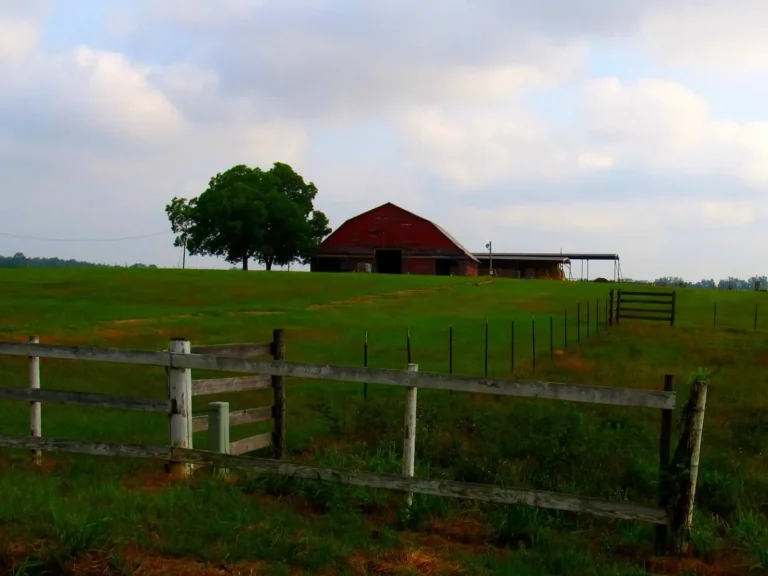
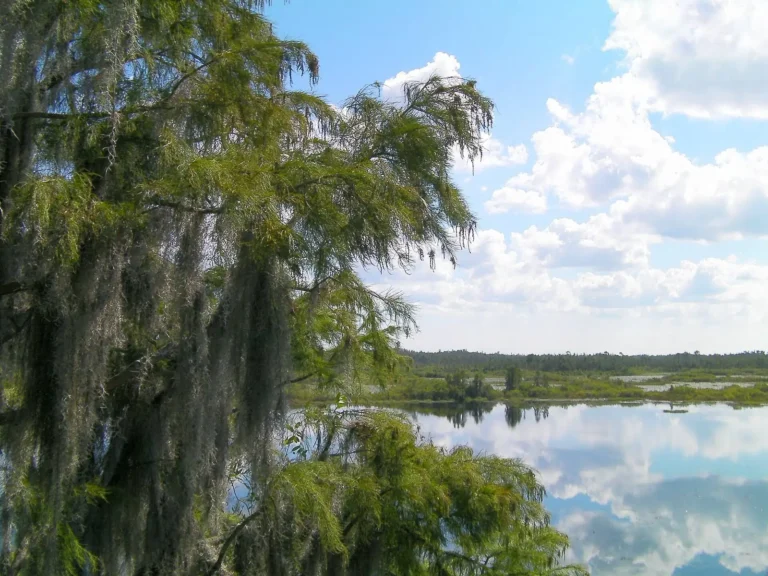
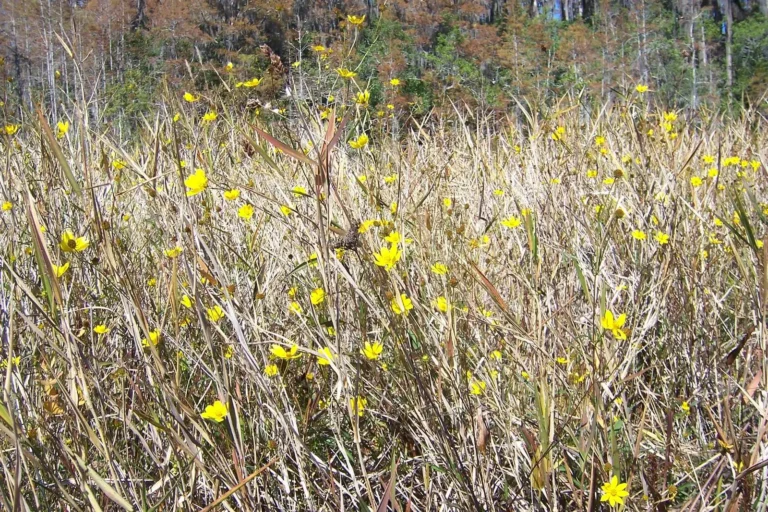
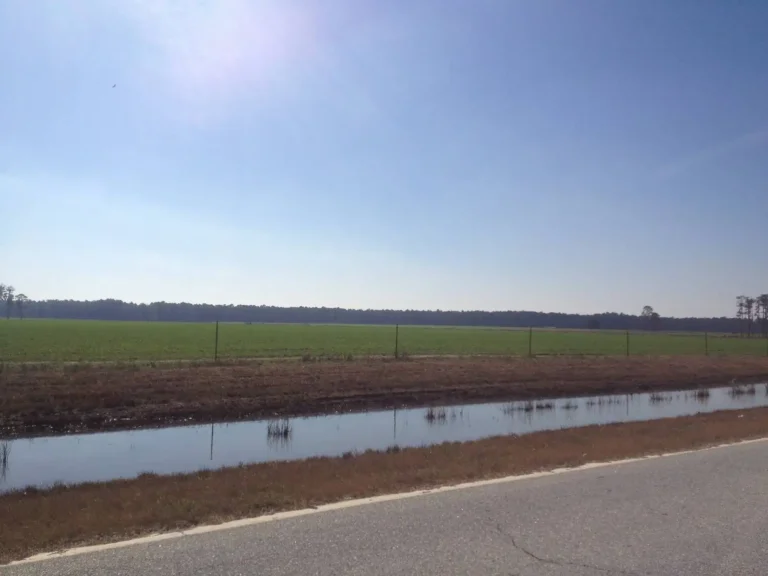
Photos: Pasture and farm pond below wooded Blackjack Mountain in Carroll County: Thomson20192, CC0 1.0, via Flickr; Flat open fields and a drainage ditch under a wide sky in Berrien County: VLMPO, CC BY 2.0, via Flickr; Red barn and green pasture behind a wooden fence outside Hawkinsville in Pulaski County: Ken Lund, CC BY-SA 2.0, via Flickr; Pond cypress draped in Spanish moss beside open prairie water in the Okefenokee Swamp: Moultrie Creek from St. Augustine, FL, USA, CC BY-SA 2.0, via Wikimedia Commons; Yellow wildflowers blooming across Chase Prairie in the Okefenokee National Wildlife Refuge: U.S. Fish and Wildlife Service, CC BY 2.0, via Flickr.