
Home › North Carolina › Planting calendar › Kohlrabi
North Carolina planting dates
When to Plant Kohlrabi in North Carolina
For kohlrabi in North Carolina (14th of 38 crops in the Wake County spring order), spring planting starts between Feb 15 (Alamance County) and Jul 15 (Alleghany County); fall planting runs Aug 1 to Sep 14, according to N.C. Cooperative Extension.
Updated 25 Nov 2026. Sources: NOAA NCEI, USDA Agricultural Research Service and N.C. Cooperative Extension.
Photo: Rows of young kohlrabi plants growing in a sandy farm field. AnRo0002, CC0, via Wikimedia Commons
Kohlrabi dates by county
In Wake County the spring window for kohlrabi runs Feb 15 to Jun 30, 136 days, opening 41 days before the county's Mar 28 median last frost, the same window as collard greens, kale, leeks, mustard greens and spinach.
Fall kohlrabi go in from Aug 1 to Sep 14 there, the last day falling 55 days before the Nov 8 median first fall frost, alongside broccoli, radishes, swiss chard and turnips.
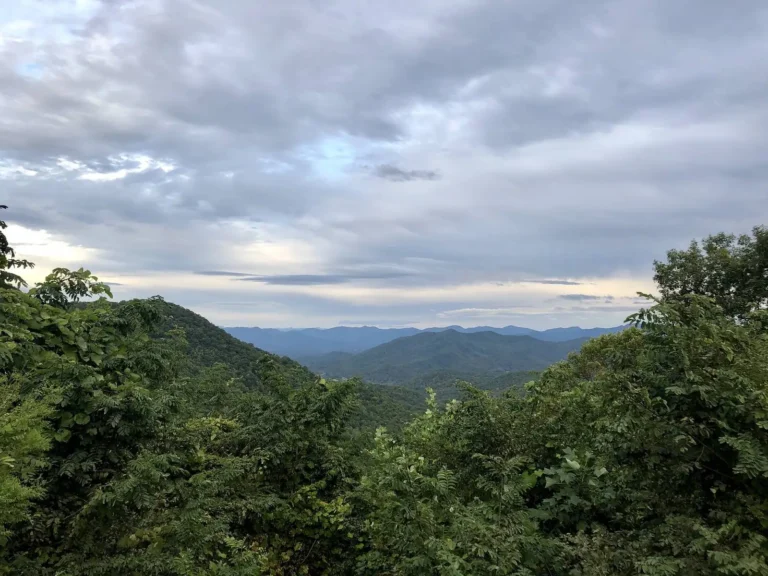
Cartoogechaye Creek valley from a mountain overlook, Nantahala National Forest
Published kohlrabi dates
AG-756-01, AG-756-02 and AG-756-03 list kohlrabi in 12 rows (seed and transplant); the first spring row, 55th of 118 in AG-756-01, reads "'S' marked in half-month columns Feb 15 through Jun 15 (cells: S, T, S, T, S, T, S, T, S,".
| Type | Season | Region | Published dates | Source |
|---|---|---|---|---|
| Kohlrabi | spring | Central North Carolina | 'S' marked in half-month columns Feb 15 through Jun 15 (cells: S, T | S, T | S, T | S, T | S, T | S, T | S, T | S, T | S, T) | AG-756-01, p. 4, Table 1 |
| Kohlrabi | spring | Central North Carolina | 'T' marked in half-month columns Feb 15 through Jun 15 (cells: S, T | S, T | S, T | S, T | S, T | S, T | S, T | S, T | S, T) | AG-756-01, p. 4, Table 1 |
| Kohlrabi | spring | Eastern North Carolina | 'S' marked in half-month columns Feb 15 through Jun 15 (cells: S, T | S, T | S, T | S, T | S, T | S, T | S, T | S, T | S, T) | AG-756-02, p. 4, Table 1 |
| Kohlrabi | spring | Eastern North Carolina | 'T' marked in half-month columns Feb 15 through Jun 15 (cells: S, T | S, T | S, T | S, T | S, T | S, T | S, T | S, T | S, T) | AG-756-02, p. 4, Table 1 |
| Kohlrabi | spring | Western North Carolina | 'S' marked in half-month columns Apr 1 through Jun 1 (cells: S, T | S, T | S, T | S, T | S, T) | AG-756-03, p. 4, Table 1 |
| Kohlrabi | spring | Western North Carolina | 'T' marked in half-month columns Apr 1 through Jun 1 (cells: S, T | S, T | S, T | S, T | S, T) | AG-756-03, p. 4, Table 1 |
| Kohlrabi | fall | Central North Carolina | 'S' marked in half-month columns Aug 1 through Sep 1 (cells: S, T | S, T | S, T) | AG-756-01, p. 4, Table 1 |
| Kohlrabi | fall | Central North Carolina | 'T' marked in half-month columns Aug 1 through Sep 1 (cells: S, T | S, T | S, T) | AG-756-01, p. 4, Table 1 |
| Kohlrabi | fall | Eastern North Carolina | 'S' marked in half-month columns Aug 1 through Sep 1 (cells: S, T | S, T | S, T) | AG-756-02, p. 4, Table 1 |
| Kohlrabi | fall | Eastern North Carolina | 'T' marked in half-month columns Aug 1 through Sep 1 (cells: S, T | S, T | S, T) | AG-756-02, p. 4, Table 1 |
| Kohlrabi | summer | Western North Carolina | 'S' marked in half-month columns Jul 15 through Aug 1 (cells: S, T | S, T) | AG-756-03, p. 4, Table 1 |
| Kohlrabi | summer | Western North Carolina | 'T' marked in half-month columns Jul 15 through Aug 1 (cells: S, T | S, T) | AG-756-03, p. 4, Table 1 |
Kohlrabi by county
Kohlrabi come 14th of 38 crops in the Wake County spring order, after turnips (Feb 1) and before beets (Mar 1); 100 of 100 counties have a spring window, opening first in Alamance County on Feb 15 and last in Alleghany County on Jul 15, 150 days apart.
| County | Planting windows |
|---|---|
| Alamance | Spring: Feb 15 to Jun 30 | Summer and fall: Aug 1 to Sep 14 |
| Alexander | Spring: Feb 15 to Jun 30 | Summer and fall: Aug 1 to Sep 14 |
| Alleghany | Spring: Apr 1 to Jun 14; Jul 15 to Aug 14 |
| Anson | Spring: Feb 15 to Jun 30 | Summer and fall: Aug 1 to Sep 14 |
| Ashe | Spring: Apr 1 to Jun 14; Jul 15 to Aug 14 |
| Avery | Spring: Apr 1 to Jun 14; Jul 15 to Aug 14 |
| Beaufort | Spring: Feb 15 to Jun 30 | Summer and fall: Aug 1 to Sep 14 |
| Bertie | Spring: Feb 15 to Jun 30 | Summer and fall: Aug 1 to Sep 14 |
| Bladen | Spring: Feb 15 to Jun 30 | Summer and fall: Aug 1 to Sep 14 |
| Brunswick | Spring: Feb 15 to Jun 30 | Summer and fall: Aug 1 to Sep 14 |
| Buncombe | Spring: Apr 1 to Jun 14; Jul 15 to Aug 14 |
| Burke | Spring: Apr 1 to Jun 14; Jul 15 to Aug 14 |
| Cabarrus | Spring: Feb 15 to Jun 30 | Summer and fall: Aug 1 to Sep 14 |
| Caldwell | Spring: Apr 1 to Jun 14; Jul 15 to Aug 14 |
| Camden | Spring: Feb 15 to Jun 30 | Summer and fall: Aug 1 to Sep 14 |
| Carteret | Spring: Feb 15 to Jun 30 | Summer and fall: Aug 1 to Sep 14 |
| Caswell | Spring: Feb 15 to Jun 30 | Summer and fall: Aug 1 to Sep 14 |
| Catawba | Spring: Feb 15 to Jun 30 | Summer and fall: Aug 1 to Sep 14 |
| Chatham | Spring: Feb 15 to Jun 30 | Summer and fall: Aug 1 to Sep 14 |
| Cherokee | Spring: Apr 1 to Jun 14; Jul 15 to Aug 14 |
| Chowan | Spring: Feb 15 to Jun 30 | Summer and fall: Aug 1 to Sep 14 |
| Clay | Spring: Apr 1 to Jun 14; Jul 15 to Aug 14 |
| Cleveland | Spring: Feb 15 to Jun 30 | Summer and fall: Aug 1 to Sep 14 |
| Columbus | Spring: Feb 15 to Jun 30 | Summer and fall: Aug 1 to Sep 14 |
| Craven | Spring: Feb 15 to Jun 30 | Summer and fall: Aug 1 to Sep 14 |
| Cumberland | Spring: Feb 15 to Jun 30 | Summer and fall: Aug 1 to Sep 14 |
| Currituck | Spring: Feb 15 to Jun 30 | Summer and fall: Aug 1 to Sep 14 |
| Dare | Spring: Feb 15 to Jun 30 | Summer and fall: Aug 1 to Sep 14 |
| Davidson | Spring: Feb 15 to Jun 30 | Summer and fall: Aug 1 to Sep 14 |
| Davie | Spring: Feb 15 to Jun 30 | Summer and fall: Aug 1 to Sep 14 |
| Duplin | Spring: Feb 15 to Jun 30 | Summer and fall: Aug 1 to Sep 14 |
| Durham | Spring: Feb 15 to Jun 30 | Summer and fall: Aug 1 to Sep 14 |
| Edgecombe | Spring: Feb 15 to Jun 30 | Summer and fall: Aug 1 to Sep 14 |
| Forsyth | Spring: Feb 15 to Jun 30 | Summer and fall: Aug 1 to Sep 14 |
| Franklin | Spring: Feb 15 to Jun 30 | Summer and fall: Aug 1 to Sep 14 |
| Gaston | Spring: Feb 15 to Jun 30 | Summer and fall: Aug 1 to Sep 14 |
| Gates | Spring: Feb 15 to Jun 30 | Summer and fall: Aug 1 to Sep 14 |
| Graham | Spring: Apr 1 to Jun 14; Jul 15 to Aug 14 |
| Granville | Spring: Feb 15 to Jun 30 | Summer and fall: Aug 1 to Sep 14 |
| Greene | Spring: Feb 15 to Jun 30 | Summer and fall: Aug 1 to Sep 14 |
| Guilford | Spring: Feb 15 to Jun 30 | Summer and fall: Aug 1 to Sep 14 |
| Halifax | Spring: Feb 15 to Jun 30 | Summer and fall: Aug 1 to Sep 14 |
| Harnett | Spring: Feb 15 to Jun 30 | Summer and fall: Aug 1 to Sep 14 |
| Haywood | Spring: Apr 1 to Jun 14; Jul 15 to Aug 14 |
| Henderson | Spring: Apr 1 to Jun 14; Jul 15 to Aug 14 |
| Hertford | Spring: Feb 15 to Jun 30 | Summer and fall: Aug 1 to Sep 14 |
| Hoke | Spring: Feb 15 to Jun 30 | Summer and fall: Aug 1 to Sep 14 |
| Hyde | Spring: Feb 15 to Jun 30 | Summer and fall: Aug 1 to Sep 14 |
| Iredell | Spring: Feb 15 to Jun 30 | Summer and fall: Aug 1 to Sep 14 |
| Jackson | Spring: Apr 1 to Jun 14; Jul 15 to Aug 14 |
| Johnston | Spring: Feb 15 to Jun 30 | Summer and fall: Aug 1 to Sep 14 |
| Jones | Spring: Feb 15 to Jun 30 | Summer and fall: Aug 1 to Sep 14 |
| Lee | Spring: Feb 15 to Jun 30 | Summer and fall: Aug 1 to Sep 14 |
| Lenoir | Spring: Feb 15 to Jun 30 | Summer and fall: Aug 1 to Sep 14 |
| Lincoln | Spring: Feb 15 to Jun 30 | Summer and fall: Aug 1 to Sep 14 |
| Macon | Spring: Apr 1 to Jun 14; Jul 15 to Aug 14 |
| Madison | Spring: Apr 1 to Jun 14; Jul 15 to Aug 14 |
| Martin | Spring: Feb 15 to Jun 30 | Summer and fall: Aug 1 to Sep 14 |
| McDowell | Spring: Apr 1 to Jun 14; Jul 15 to Aug 14 |
| Mecklenburg | Spring: Feb 15 to Jun 30 | Summer and fall: Aug 1 to Sep 14 |
| Mitchell | Spring: Apr 1 to Jun 14; Jul 15 to Aug 14 |
| Montgomery | Spring: Feb 15 to Jun 30 | Summer and fall: Aug 1 to Sep 14 |
| Moore | Spring: Feb 15 to Jun 30 | Summer and fall: Aug 1 to Sep 14 |
| Nash | Spring: Feb 15 to Jun 30 | Summer and fall: Aug 1 to Sep 14 |
| New Hanover | Spring: Feb 15 to Jun 30 | Summer and fall: Aug 1 to Sep 14 |
| Northampton | Spring: Feb 15 to Jun 30 | Summer and fall: Aug 1 to Sep 14 |
| Onslow | Spring: Feb 15 to Jun 30 | Summer and fall: Aug 1 to Sep 14 |
| Orange | Spring: Feb 15 to Jun 30 | Summer and fall: Aug 1 to Sep 14 |
| Pamlico | Spring: Feb 15 to Jun 30 | Summer and fall: Aug 1 to Sep 14 |
| Pasquotank | Spring: Feb 15 to Jun 30 | Summer and fall: Aug 1 to Sep 14 |
| Pender | Spring: Feb 15 to Jun 30 | Summer and fall: Aug 1 to Sep 14 |
| Perquimans | Spring: Feb 15 to Jun 30 | Summer and fall: Aug 1 to Sep 14 |
| Person | Spring: Feb 15 to Jun 30 | Summer and fall: Aug 1 to Sep 14 |
| Pitt | Spring: Feb 15 to Jun 30 | Summer and fall: Aug 1 to Sep 14 |
| Polk | Spring: Apr 1 to Jun 14; Jul 15 to Aug 14 |
| Randolph | Spring: Feb 15 to Jun 30 | Summer and fall: Aug 1 to Sep 14 |
| Richmond | Spring: Feb 15 to Jun 30 | Summer and fall: Aug 1 to Sep 14 |
| Robeson | Spring: Feb 15 to Jun 30 | Summer and fall: Aug 1 to Sep 14 |
| Rockingham | Spring: Feb 15 to Jun 30 | Summer and fall: Aug 1 to Sep 14 |
| Rowan | Spring: Feb 15 to Jun 30 | Summer and fall: Aug 1 to Sep 14 |
| Rutherford | Spring: Apr 1 to Jun 14; Jul 15 to Aug 14 |
| Sampson | Spring: Feb 15 to Jun 30 | Summer and fall: Aug 1 to Sep 14 |
| Scotland | Spring: Feb 15 to Jun 30 | Summer and fall: Aug 1 to Sep 14 |
| Stanly | Spring: Feb 15 to Jun 30 | Summer and fall: Aug 1 to Sep 14 |
| Stokes | Spring: Feb 15 to Jun 30 | Summer and fall: Aug 1 to Sep 14 |
| Surry | Spring: Feb 15 to Jun 30 | Summer and fall: Aug 1 to Sep 14 |
| Swain | Spring: Apr 1 to Jun 14; Jul 15 to Aug 14 |
| Transylvania | Spring: Apr 1 to Jun 14; Jul 15 to Aug 14 |
| Tyrrell | Spring: Feb 15 to Jun 30 | Summer and fall: Aug 1 to Sep 14 |
| Union | Spring: Feb 15 to Jun 30 | Summer and fall: Aug 1 to Sep 14 |
| Vance | Spring: Feb 15 to Jun 30 | Summer and fall: Aug 1 to Sep 14 |
| Wake | Spring: Feb 15 to Jun 30 | Summer and fall: Aug 1 to Sep 14 |
| Warren | Spring: Feb 15 to Jun 30 | Summer and fall: Aug 1 to Sep 14 |
| Washington | Spring: Feb 15 to Jun 30 | Summer and fall: Aug 1 to Sep 14 |
| Watauga | Spring: Apr 1 to Jun 14; Jul 15 to Aug 14 |
| Wayne | Spring: Feb 15 to Jun 30 | Summer and fall: Aug 1 to Sep 14 |
| Wilkes | Spring: Apr 1 to Jun 14; Jul 15 to Aug 14 |
| Wilson | Spring: Feb 15 to Jun 30 | Summer and fall: Aug 1 to Sep 14 |
| Yadkin | Spring: Feb 15 to Jun 30 | Summer and fall: Aug 1 to Sep 14 |
| Yancey | Spring: Apr 1 to Jun 14; Jul 15 to Aug 14 |
Other North Carolina crops
- Tomatoes
- Peppers
- Potatoes
- Sweet Potatoes
- Sweet Corn
- Green Beans
- Lima Beans
- Peas
- Southern Peas
- Cucumbers
- Squash
- Winter Squash
- Pumpkins
- Watermelon
- Cantaloupe
- Okra
- Eggplant
- Lettuce
- Spinach
- Kale
- Collard Greens
- Mustard Greens
- Turnips
- Swiss Chard
- Cabbage
- Broccoli
- Cauliflower
- Brussels Sprouts
- Carrots
- Beets
- Radishes
- Onions
- Garlic
- Leeks
- Asparagus
- Rutabagas
- Basil
- Parsley
More North Carolina crops


Questions about kohlrabi
When are kohlrabi planted?
For kohlrabi in North Carolina (14th of 38 crops in the Wake County spring order), spring planting starts between Feb 15 (Alamance County) and Jul 15 (Alleghany County); fall planting runs Aug 1 to Sep 14, according to N.C. Cooperative Extension.
Can kohlrabi go in twice?
Fall kohlrabi go in from Aug 1 to Sep 14 there, the last day falling 55 days before the Nov 8 median first fall frost, alongside broccoli, radishes, swiss chard and turnips.
Is frost a risk?
In Wake County a frost is still possible until Apr 12, the date with a 10% chance of a later frost, so the first planting of kohlrabi on Feb 15 comes 56 days before that date, as it does for asparagus, broccoli, cauliflower, collard greens, kale, leeks, mustard greens, parsley, potatoes and spinach, which open the same day.
Where are these dates from?
Dates for kohlrabi come from 12 rows in AG-756-01, AG-756-02 and AG-756-03, the first at row 55 of 118; full titles and links are in the sources list on the North Carolina planting calendar page.
Which counties plant kohlrabi first?
Kohlrabi come 14th of 38 crops in the Wake County spring order, after turnips (Feb 1) and before beets (Mar 1); 100 of 100 counties have a spring window, opening first in Alamance County on Feb 15 and last in Alleghany County on Jul 15, 150 days apart.
Photos: Rows of young kohlrabi plants growing in a sandy farm field: AnRo0002, CC0, via Wikimedia Commons; Old barn and field under a storm sky, Greene County: andycox93, CC BY 2.0, via Flickr; Cartoogechaye Creek valley from a mountain overlook, Nantahala National Forest: w_lemay, CC0 1.0, via Flickr; Ripe red tomatoes on the vine: Softeis, CC BY-SA 3.0, via Wikimedia Commons; Pepper plant in a kitchen garden loaded with green, yellow and red peppers: NPS, Public domain, via Wikimedia Commons; Long neat rows of green potato plants stretching across a farm field: Malcolm Neal, CC BY-SA 2.0, via Wikimedia Commons; Tall corn plants with golden tassels against a summer sky in a field: inkknife_2000, CC BY-SA 2.0, via Wikimedia Commons; Clusters of long green bean pods hanging from a climbing bean vine: Nirajan_pant, CC BY-SA 3.0, via Wikimedia Commons; Cucumber vines climbing a wooden trellis in a kitchen garden: NPS, Public domain, via Wikimedia Commons; Squash plant with yellow blossoms and spreading stems in a straw-mulched garden: Mary O'Neill, Public domain, via Wikimedia Commons; Heads of lettuce in a garden bed: Prenn, CC BY-SA 3.0, via Wikimedia Commons.