
Home › Washington
Gardening by county
Washington Gardening by County
Frost dates, planting zones and planting calendars for all 39 Washington counties: the last spring frost ranges from Mar 1 (Jefferson County) to Jun 6 (Lincoln County), and USDA zones run from 6a to 9b.
Updated 24 Nov 2026. Sources: NOAA NCEI, USDA Agricultural Research Service and WSU Extension.
Photo: Long yellow tulip rows across the flat Skagit Valley farmland, Washington. GoToVan, CC BY 2.0, via Wikimedia Commons
Washington garden tools
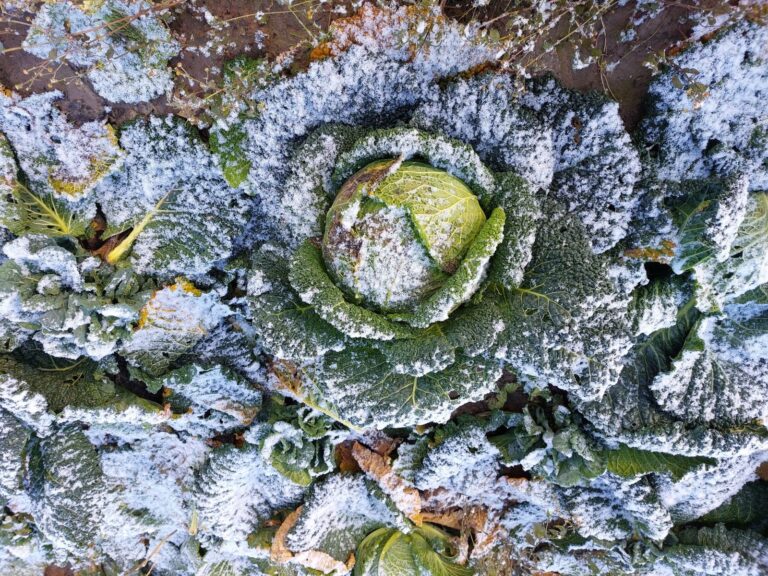
Washington frost dates
Last spring frost from Mar 1 to Jun 6 and first fall frost from Sep 10 to Nov 28, county by county.
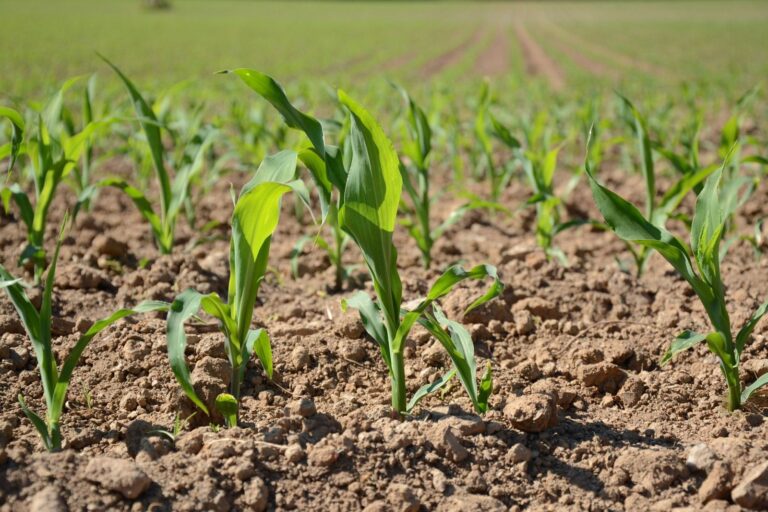
Plant now in Washington
Open planting windows this week for each of the 39 counties, from the WSU Extension calendar.
Washington planting zone map
USDA 2023 zones 6a to 9b, the main zone of all 39 counties and the official map.


Washington growing season
The growing season between the last spring and first fall freeze runs from 94 days in Lincoln County to 274 days in Jefferson County. The first fall frost comes as early as Sep 10 in Ferry County and as late as Nov 28 in Jefferson County.
WSU Extension publishes planting dates for Western and Eastern Washington in The Pacific Northwest Gardener's Handbook (revised 2025), with fall and Inland Northwest sheets from county Extension offices. The sources do not list counties, so each county is assigned to the side of the Cascade crest that holds most of it.
The county frost dates come from 39 NOAA weather stations with full 1991-2020 records. The most common USDA zones are 8b (13 counties), 7a (12 counties), 6b (5 counties).
Washington crop dates
- When to plant tomatoes
- When to plant peppers
- When to plant potatoes
- When to plant sweet corn
- When to plant green beans
- When to plant peas
- When to plant cucumbers
- When to plant okra
- When to plant eggplant
- When to plant lettuce
- When to plant spinach
- When to plant kale
- When to plant turnips
- When to plant swiss chard
- When to plant cabbage
- When to plant broccoli
- When to plant cauliflower
- When to plant brussels sprouts
- When to plant carrots
- When to plant beets
- When to plant radishes
- When to plant onions
- When to plant garlic
- When to plant leeks
- When to plant asparagus
- When to plant rutabagas
- When to plant parsley
Washington counties
| County | Zone | Last frost (50%) | First frost (50%) |
|---|---|---|---|
| Adams County | 7a | Apr 30 | Oct 12 |
| Asotin County | 7a | Apr 6 | Oct 26 |
| Benton County | 7b | Apr 6 | Oct 24 |
| Chelan County | 7a | Apr 4 | Oct 28 |
| Clallam County | 8b | Mar 12 | Nov 19 |
| Clark County | 8b | Apr 26 | Oct 18 |
| Columbia County | 7a | Apr 28 | Oct 13 |
| Cowlitz County | 8b | Apr 8 | Nov 5 |
| Douglas County | 6b | Apr 8 | Oct 24 |
| Ferry County | 6b | May 30 | Sep 10 |
| Franklin County | 7a | Apr 27 | Oct 11 |
| Garfield County | 7a | May 2 | Oct 4 |
| Grant County | 7a | Apr 27 | Oct 8 |
| Grays Harbor County | 8b | Mar 29 | Nov 15 |
| Island County | 8b | Mar 17 | Nov 11 |
| Jefferson County | 8b | Mar 1 | Nov 28 |
| King County | 8a | Mar 13 | Nov 17 |
| Kitsap County | 8b | Mar 29 | Nov 14 |
| Kittitas County | 7a | Apr 28 | Oct 7 |
| Klickitat County | 7a | Apr 11 | Oct 26 |
| Lewis County | 8a | Apr 22 | Oct 27 |
| Lincoln County | 6b | Jun 6 | Sep 11 |
| Mason County | 8b | Apr 27 | Oct 16 |
| Okanogan County | 6b | Apr 30 | Oct 7 |
| Pacific County | 8a | Apr 26 | Oct 17 |
| Pend Oreille County | 6a | May 12 | Sep 21 |
| Pierce County | 8b | Mar 8 | Nov 14 |
| San Juan County | 9a | Mar 26 | Nov 10 |
| Skagit County | 8b | Mar 24 | Nov 3 |
| Skamania County | 8a | Mar 14 | Nov 27 |
| Snohomish County | 8b | Mar 24 | Nov 2 |
| Spokane County | 6b | Apr 26 | Oct 15 |
| Stevens County | 6a | May 16 | Sep 15 |
| Thurston County | 8b | Apr 29 | Oct 14 |
| Wahkiakum County | 8b | Apr 27 | Oct 22 |
| Walla Walla County | 7a | May 2 | Oct 1 |
| Whatcom County | 8a | Mar 31 | Oct 30 |
| Whitman County | 7a | May 6 | Sep 29 |
| Yakima County | 7a | Apr 21 | Oct 15 |
Washington at a glance








Washington gardening questions
Last frost in Washington?
From Mar 1 in Jefferson County to Jun 6 in Lincoln County, using the NOAA 1991-2020 50% dates; King County falls on Mar 13.
What zone is Washington?
USDA zones 6a to 9b on the 2023 map; the most common are 8b (13 counties), 7a (12 counties), 6b (5 counties).
What can I plant now?
Pick your county on what to plant now in Washington; the list for King County and the other 38 counties changes with the date and the WSU Extension windows.
Where is this from?
Frost dates are NOAA NCEI 1991-2020 normals from 39 stations, zones are the USDA ARS 2023 map, and the 27 crop pages follow WSU Extension publications.

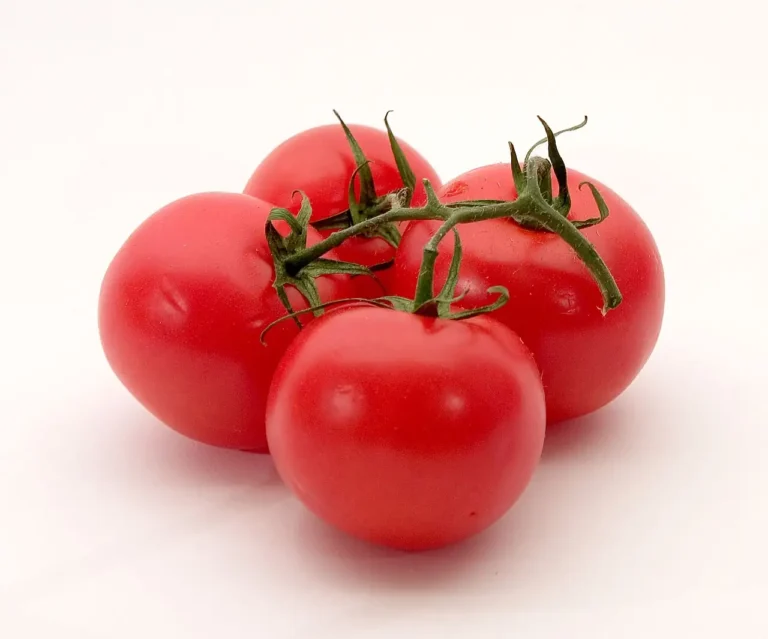
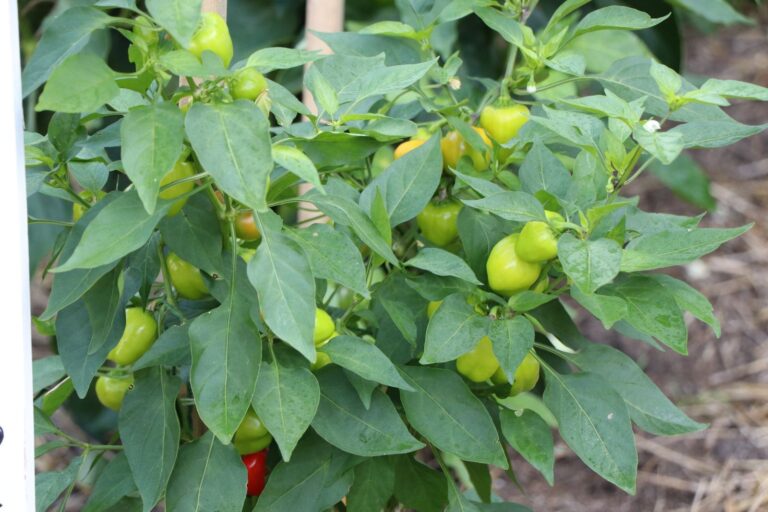
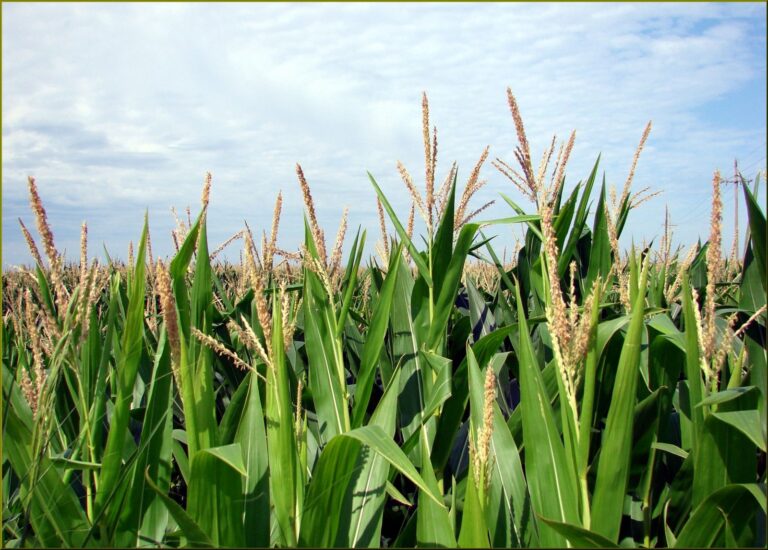
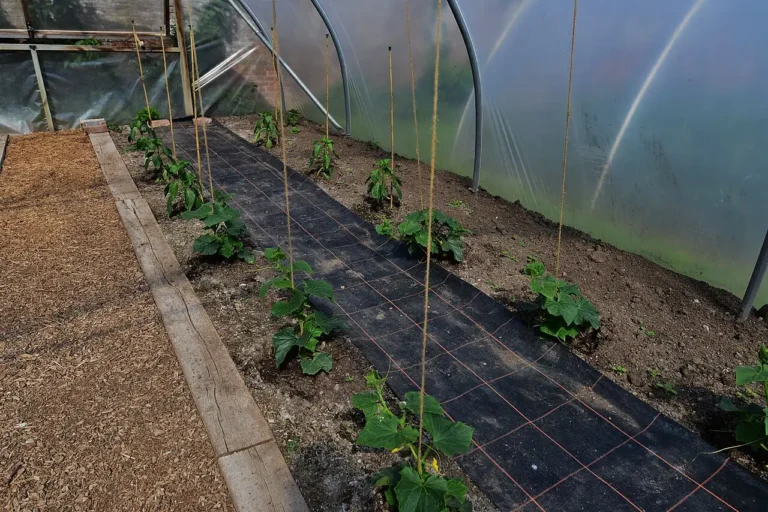
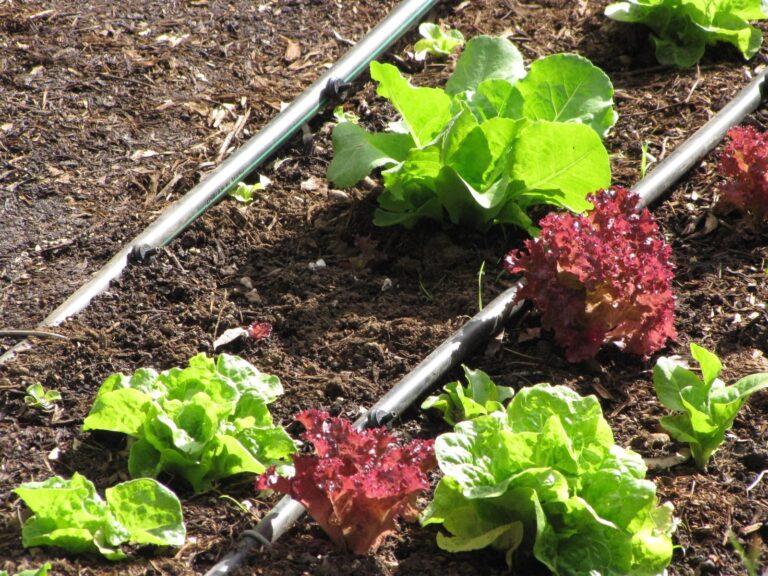
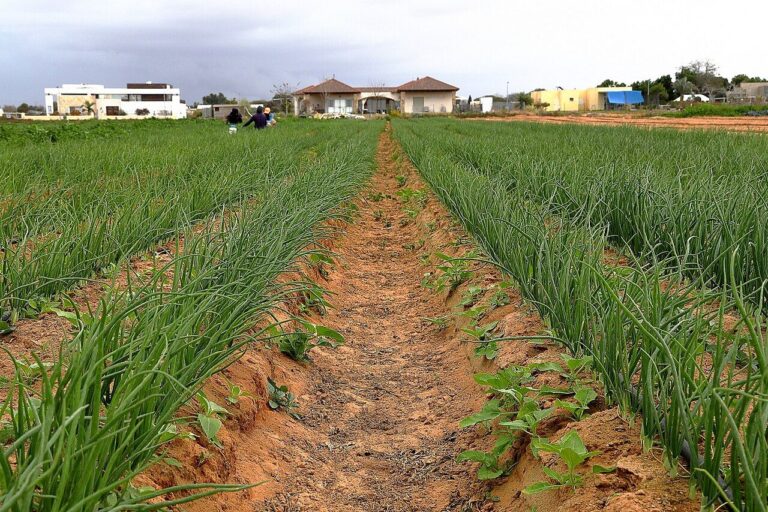
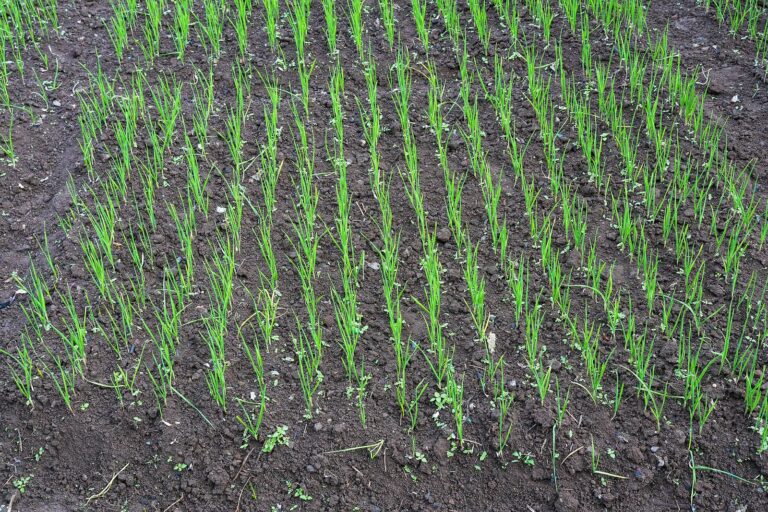
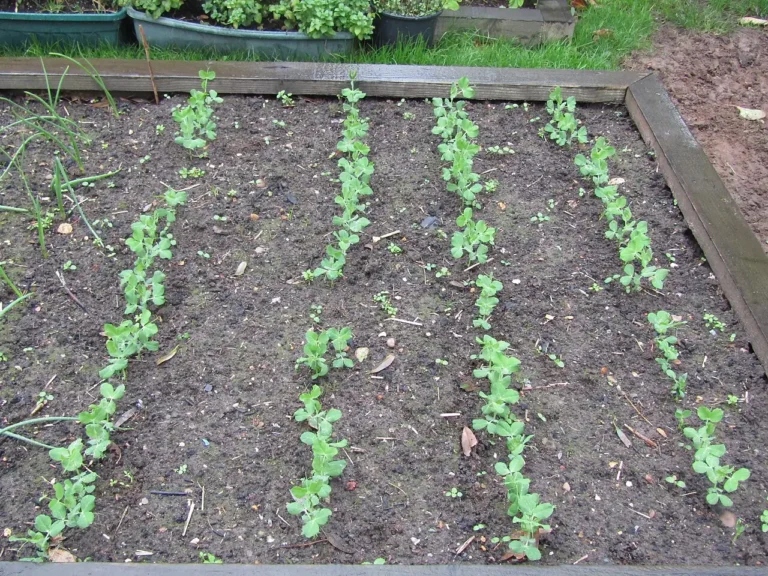
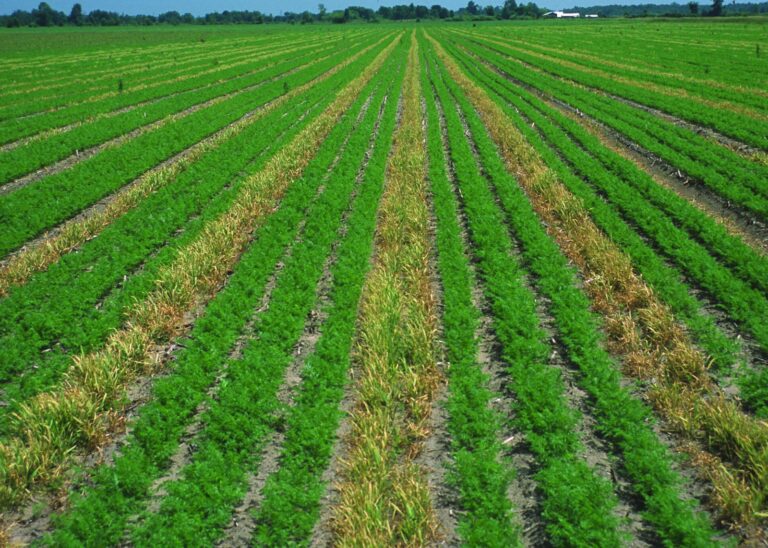
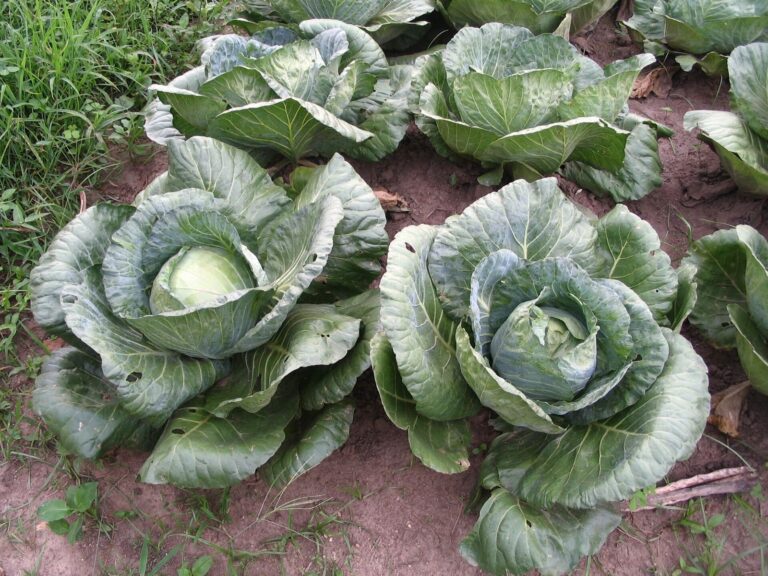
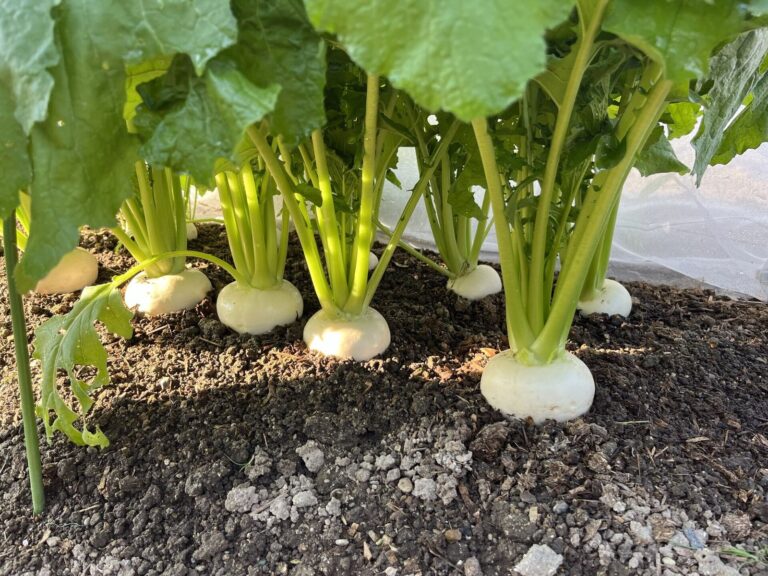
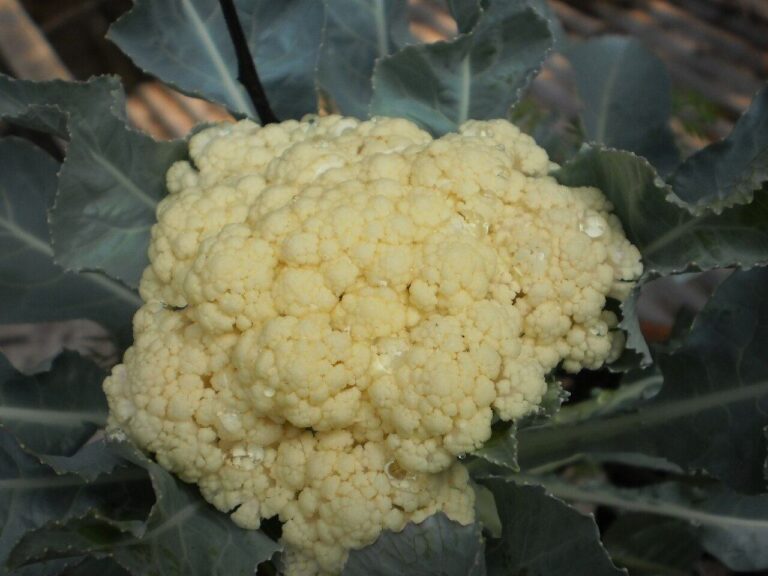
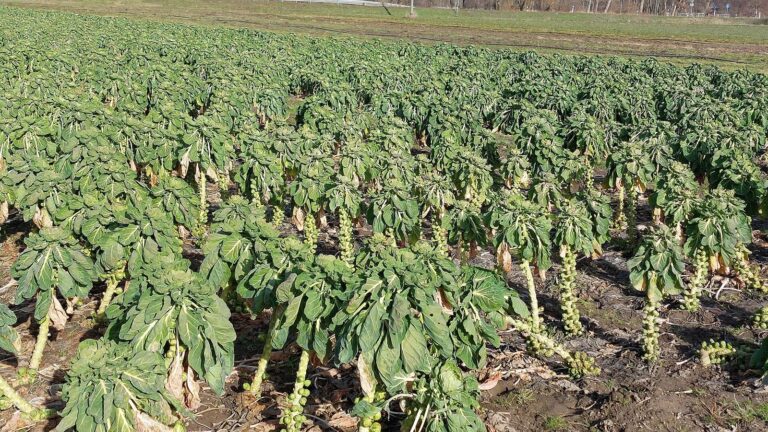
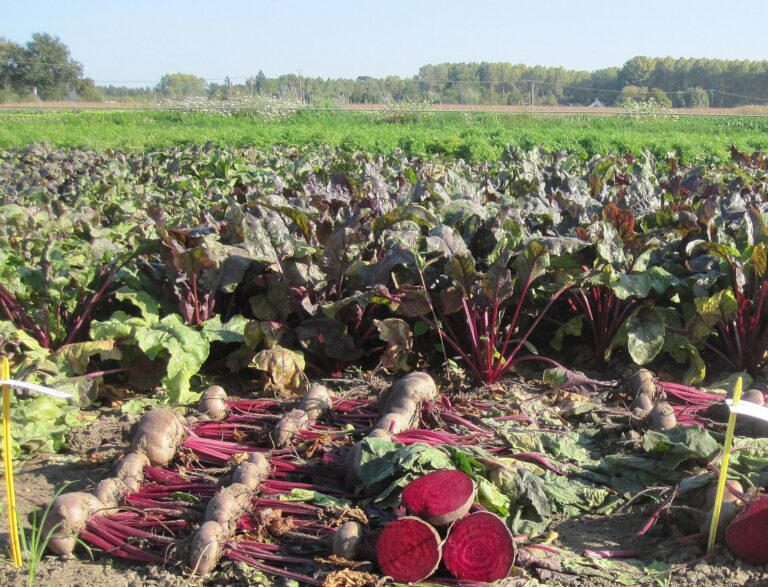
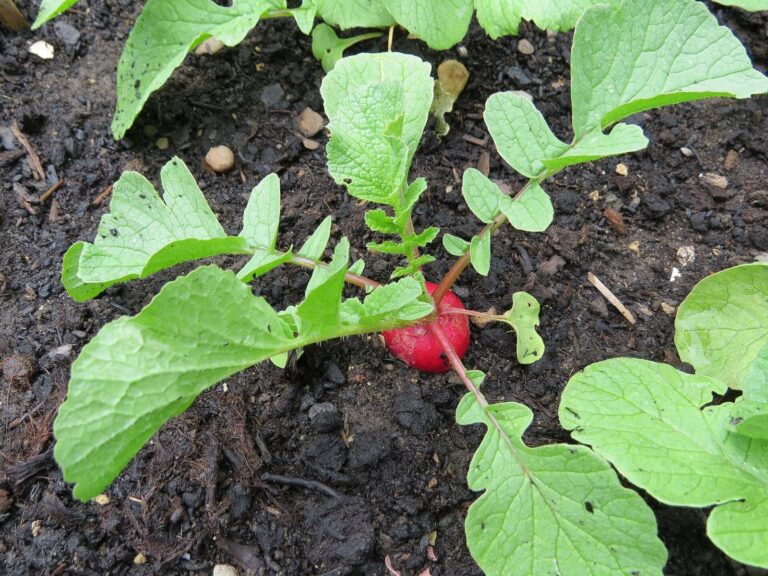
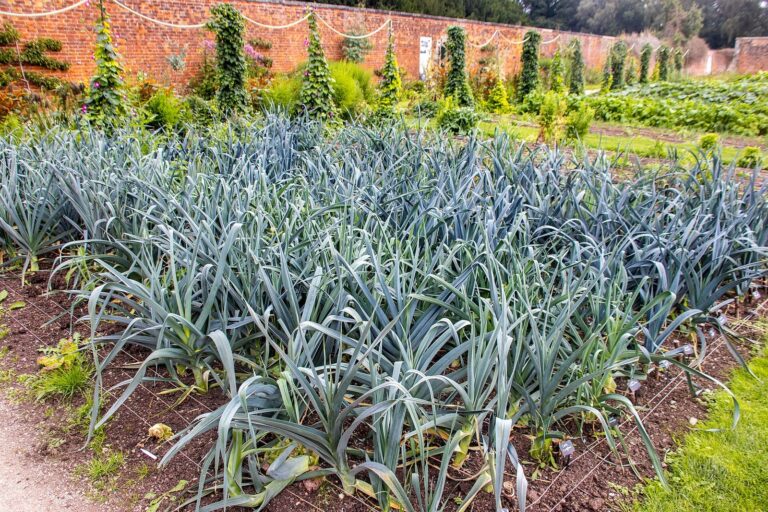
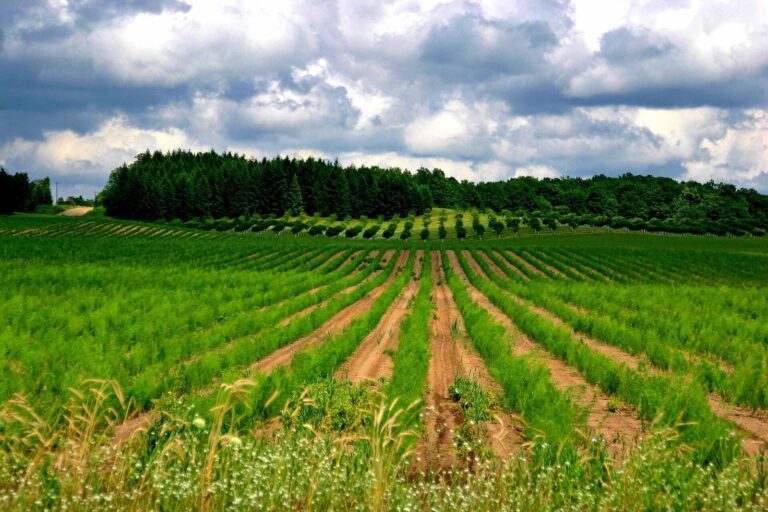
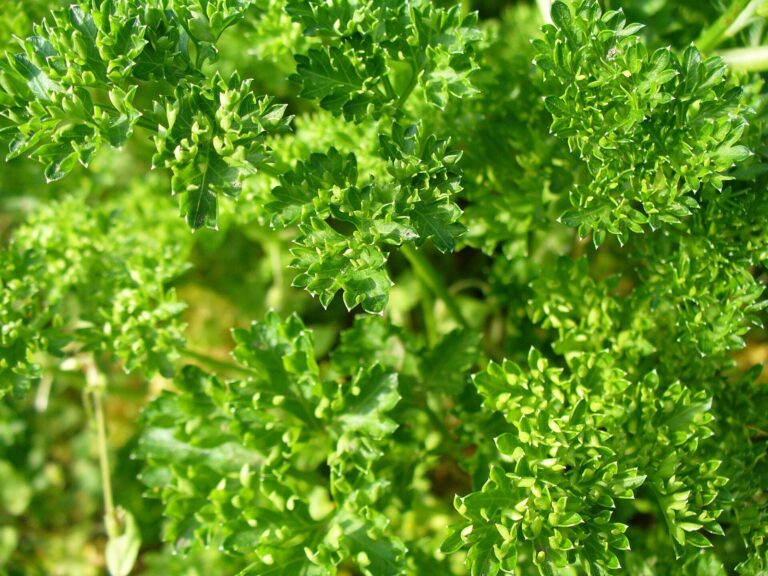
Photos: Long yellow tulip rows across the flat Skagit Valley farmland, Washington: GoToVan, CC BY 2.0, via Wikimedia Commons; Pink and purple tulip field under clear sky in the Skagit Valley, Washington: GoToVan, CC BY 2.0, via Wikimedia Commons; Red tulips beside a farm track with barns and mountains in the Skagit Valley, Washington: GoToVan, CC BY 2.0, via Wikimedia Commons; Red tulip field with snowy Cascade peaks behind in the Skagit Valley, Washington: GoToVan, CC BY 2.0, via Wikimedia Commons; Dirt farm road beside purple tulip field in the Skagit Valley, Washington: GoToVan, CC BY 2.0, via Wikimedia Commons; Whitehorse Mountain above red barns and tulip fields in the Skagit Valley, Washington: Ron Clausen, CC BY-SA 4.0, via Wikimedia Commons; Ripe red tomatoes on the vine: Softeis, CC BY-SA 3.0, via Wikimedia Commons; Pepper plant in a kitchen garden loaded with green, yellow and red peppers: NPS, Public domain, via Wikimedia Commons; Potato plant growing in a garden bed: Kolforn (Kolforn), CC BY-SA 4.0, via Wikimedia Commons; Tall corn plants with golden tassels against a summer sky in a field: inkknife_2000, CC BY-SA 2.0, via Wikimedia Commons; Clusters of long green bean pods hanging from a climbing bean vine: Nirajan_pant, CC BY-SA 3.0, via Wikimedia Commons; Cucumber plants growing in a greenhouse bed: HARTLEPOOLMARINA2014, CC BY-SA 4.0, via Wikimedia Commons; Green and red leaf lettuce heads growing along drip lines in a garden bed: Forest and Kim Starr, CC BY 3.0 US, via Wikimedia Commons; Long rows of green onion plants growing in sandy farm soil: ליזי שאנן, CC BY 2.5, via Wikimedia Commons; Neat rows of young garlic shoots growing in dark tilled soil: Timothy A. Gonsalves, CC BY-SA 4.0, via Wikimedia Commons; Rows of young pea plants in a vegetable patch: Kolforn (Kolforn), CC BY-SA 4.0, via Wikimedia Commons; Green broccoli head growing in the center of a leafy plant: Pinakpani, CC BY-SA 4.0, via Wikimedia Commons; Rows of carrots growing between rye windbreak strips in a farm field: Photo by Fred Gasper, USDA Natural Resources Conservation Service, Public domain, via Wikimedia Commons; Garden with okra plants: Kenogenic, CC BY-SA 4.0, via Wikimedia Commons; Raised garden beds full of curly kale with cabbages growing behind: Alabama Extension, CC0, via Wikimedia Commons; Close view of a spinach plant with crinkled dark green leaves in soil: Алексей Тараканов, CC BY-SA 2.0, via Wikimedia Commons; Cabbage heads forming among broad outer leaves in a garden plot: SuSanA Secretariat, CC BY 2.0, via Wikimedia Commons; Long purple eggplant growing on the plant: BorisAhonon, CC BY-SA 4.0, via Wikimedia Commons; White turnip roots swelling above the soil under leafy green tops: Miya, CC BY-SA 4.0, via Wikimedia Commons; Red-stemmed Swiss chard plants growing in a garden bed with drip line: mercedesfromtheeighties, CC BY-SA 2.0, via Wikimedia Commons; Creamy white cauliflower head growing among large blue-green leaves: Edukeralam,( Navaneeth Krishnan S), CC BY-SA 3.0, via Wikimedia Commons; Field of tall Brussels sprouts plants with sprouts along the stalks: Schlaghecken Josef, CC BY 4.0, via Wikimedia Commons; Red beets growing in a field with some roots pulled and cut open: Arn, CC BY-SA 4.0, via Wikimedia Commons; Red radish root peeking from dark garden soil beneath green leaves: GT1976, CC BY-SA 4.0, via Wikimedia Commons; Bed of blue-green leeks growing in a walled kitchen garden: Photograph by Mike Peel ( www.mikepeel.net )., CC BY-SA 4.0, via Wikimedia Commons; Rows of feathery asparagus ferns in a commercial asparagus field: User:Morri362, CC BY-SA 3.0, via Wikimedia Commons; Freshly pulled rutabaga roots lying in a row on garden soil: Picasa user Seedambassadors, CC BY-SA 3.0, via Wikimedia Commons; Close view of curly parsley growing thick and bright green: Pohled 111, CC BY-SA 4.0, via Wikimedia Commons; Savoy cabbage head and outer leaves covered in hoar frost in a vegetable garden: Schlaghecken Josef, CC BY-SA 4.0, via Wikimedia Commons; Newly sprouted corn seedlings in straight rows of bare brown soil: Rémy Sanchez, CC BY 3.0, via Wikimedia Commons; Wicker basket of ripe red and orange tomatoes among tomato plants: George Chernilevsky, CC BY 4.0, via Wikimedia Commons; Rows of apple trees in white blossom along a grassy orchard alley: Philip Halling, CC BY-SA 2.0, via Wikimedia Commons.