
Home › Pennsylvania › Lawn care calendar
Pennsylvania
Pennsylvania Lawn Care Calendar
Penn State Extension says to seed tall fescue from late August to early September.
Photo: Freshly seeded front lawn turning green beside bare soil and a garden hose. HA1256, CC BY-SA 4.0, via Wikimedia Commons
Pennsylvania lawn calendar: this month
January
No Penn State Extension publication used here gives a dated lawn task for January.
February
No Penn State Extension publication used here gives a dated lawn task for February.
March
- Fertilize: Kentucky bluegrass and perennial ryegrass.
- Crabgrass preventer (Southeastern Pennsylvania): All lawns.
April
- Fertilize: Fine fescue, Kentucky bluegrass, perennial ryegrass and tall fescue.
- Crabgrass preventer (Northern tier and high-altitude counties): All lawns.
- Crabgrass preventer (Other Pennsylvania areas): All lawns.
- Crabgrass preventer (Southeastern Pennsylvania): All lawns.
May
- Fertilize: Fine fescue, Kentucky bluegrass, perennial ryegrass and tall fescue.
- Crabgrass preventer (Northern tier and high-altitude counties): All lawns.
- Crabgrass preventer (Other Pennsylvania areas): All lawns.
June
- Fertilize: Fine fescue, Kentucky bluegrass, perennial ryegrass and tall fescue.
July
No Penn State Extension publication used here gives a dated lawn task for July.
August
- Seed: Fine fescue, Kentucky bluegrass, perennial ryegrass, rough bluegrass and tall fescue.
September
- Seed: Fine fescue, Kentucky bluegrass, perennial ryegrass, rough bluegrass and tall fescue.
- Fertilize: Cool-season grasses, fine fescue, Kentucky bluegrass, perennial ryegrass and tall fescue.
October
No Penn State Extension publication used here gives a dated lawn task for October.
November
- Fertilize: Kentucky bluegrass, perennial ryegrass and tall fescue.
December
No Penn State Extension publication used here gives a dated lawn task for December.
Each task above has a month in its source publication. Soil temperature rules are in the tables below.

Autumn mountainside and green valley floor seen from the dam at Sinnemahoning State Park
Grass types for Pennsylvania lawns
Pennsylvania lawns: 5 cool-season and 1 warm-season grasses appear in the extension guides.
| Grass | Type | Where recommended | What the publication says | Source |
|---|---|---|---|---|
| Fine fescue | Cool-season | Pennsylvania (statewide) | Cool-season grasses adapted for turf use in Pennsylvania include ... the fine fescues ... As a group, the fine fescues tolerate soils of low fertility and low pH, droughty soils, and shaded conditions. | Turfgrass Species for Pennsylvania, intro; The Fine Fescues |
| Kentucky bluegrass | Cool-season | Pennsylvania (statewide) | Cool-season grasses adapted for turf use in Pennsylvania include Kentucky bluegrass, rough bluegrass, perennial ryegrass, the fine fescues, tall fescue, and the bentgrasses. ... Kentucky bluegrass performs best when grown in ... | Turfgrass Species for Pennsylvania, intro; Kentucky Bluegrass |
| Perennial ryegrass | Cool-season | Pennsylvania (statewide) | Cool-season grasses adapted for turf use in Pennsylvania include ... perennial ryegrass ... It is suitable for use alone or in combination with Kentucky bluegrass and/or fine fescues. | Turfgrass Species for Pennsylvania, intro; Perennial Ryegrass |
| Rough bluegrass | Cool-season | Pennsylvania (statewide) | It is used in lawns with shaded conditions where there is adequate or excess moisture. | Turfgrass Species for Pennsylvania, Rough Bluegrass |
| Tall fescue | Cool-season | Pennsylvania (statewide) | Cool-season grasses adapted for turf use in Pennsylvania include ... tall fescue ... Tall fescue is a persistent and durable plant that forms acceptable turf for home lawns, grounds, parks, playgrounds, and athletic fields. | Turfgrass Species for Pennsylvania, intro; Tall Fescue |
| Zoysiagrass | Warm-season | Southern-most portions of Pennsylvania | Zoysiagrass is the only warm-season turfgrass that has sufficient winter hardiness to survive and persist as high-quality turf in the southern-most portions of Pennsylvania. ... Due to its relatively short growing season, ... | Turfgrass Species for Pennsylvania, intro; Zoysiagrass |
Planting grass in Pennsylvania: seed, sod and sprigs
| Task | Grass | Region | When | Published text | Source |
|---|---|---|---|---|---|
| Seed | Cool-season grasses | Pennsylvania (statewide) | by mid October | Late summer to early fall usually is the best time to establish a new lawn from seed. ... Seeding later than mid-October is not suggested for most areas of Pennsylvania. | Lawn Management through the Seasons, Seeding |
| Seed | Fine fescue | Pennsylvania (statewide) | late August to early September | Seeding of cool-season turfgrass species can be done from mid-spring to early fall, but late summer is the optimum time to seed in most areas of Pennsylvania. Soils tend to be dryer and warmer during late August and early ... | Lawn Establishment, Seeding; Table 1 |
| Seed | Kentucky bluegrass | Pennsylvania (statewide) | late August to early September | Seeding of cool-season turfgrass species can be done from mid-spring to early fall, but late summer is the optimum time to seed in most areas of Pennsylvania. Soils tend to be dryer and warmer during late August and early ... | Lawn Establishment, Seeding; Table 1 |
| Seed | Perennial ryegrass | Pennsylvania (statewide) | late August to early September | Seeding of cool-season turfgrass species can be done from mid-spring to early fall, but late summer is the optimum time to seed in most areas of Pennsylvania. Soils tend to be dryer and warmer during late August and early ... | Lawn Establishment, Seeding; Table 1 |
| Seed | Rough bluegrass | Pennsylvania (statewide) | late August to early September | Seeding of cool-season turfgrass species can be done from mid-spring to early fall, but late summer is the optimum time to seed in most areas of Pennsylvania. Soils tend to be dryer and warmer during late August and early ... | Lawn Establishment, Seeding; Table 1 |
| Seed | Tall fescue | Pennsylvania (statewide) | late August to early September | Seeding of cool-season turfgrass species can be done from mid-spring to early fall, but late summer is the optimum time to seed in most areas of Pennsylvania. Soils tend to be dryer and warmer during late August and early ... | Lawn Establishment, Seeding; Table 1 |
| Sod | Cool-season grasses | Pennsylvania (statewide) | See text | It can be done at almost any time of the year except when soils are frozen. The optimum times for sodding cool-season turfgrasses are in spring, late summer, or fall. | Lawn Establishment, Sodding |
| Sprigs | Zoysiagrass | Southern-most portions of Pennsylvania | See text | It must be propagated vegetatively by planting sod plugs or sprigs. | Turfgrass Species for Pennsylvania, Zoysiagrass |
| Plugs | Zoysiagrass | Southern-most portions of Pennsylvania | See text | Meyer zoysiagrass is the only variety suggested for Pennsylvania. It must be propagated vegetatively by planting sod plugs or sprigs. ... Quickest establishment is with 4-inch diameter plugs planted in late spring or early ... | Turfgrass Species for Pennsylvania, Zoysiagrass |
| Overseed | Cool-season grasses | Pennsylvania (statewide) | See text | Overseeding into thin turf or small patches of bare soil can be done in late winter, spring, or early fall. Spring and early fall overseedings can be made following aeration (six to eight passes over the lawn with a core ... | Lawn Management through the Seasons, Overseeding |
| Overseed | Perennial ryegrass | Pennsylvania (statewide) | See text | Perennial ryegrass is the best species for renovation of lawns because it germinates and establishes quickly, and its roots can penetrate slightly compacted soils. Kentucky bluegrass, the fine fescues, and tall fescue can also be ... | Lawn Establishment, Lawn Establishment Without Tilling (Renovation); Table 1 |
Pennsylvania lawn feeding calendar
| Task | Grass | Region | When | Published text | Source |
|---|---|---|---|---|---|
| Fertilize | Cool-season grasses | Pennsylvania (statewide) | mid September | The most important time of year to fertilize turfgrasses is late summer (early to mid-September). ... In most areas of Pennsylvania, late fall fertilization should take place in mid-November. | Turfgrass Fertilization: A Basic Guide for Profe, Fertilizer Programs |
| Fertilize | Cool-season grasses | Pennsylvania (statewide) | See text | In most cases, turfgrasses benefit from annual applications of nitrogen fertilizer. These needs can be met for most lawns by applying fertilizer that contains some slow-release nitrogen during mid- to late spring and/ or late ... | Lawn Management through the Seasons, Fertilization |
| Fertilize | Fine fescue | Pennsylvania (statewide) | mid April to early June | April 15-June 1: 1 lb nitrogen (20% or more as WIN or a coated-nitrogen source*) (1 lb N/1,000 sq ft) | Turfgrass Fertilization: A Basic Guide for Profe, Examples of Lawn Fertilizer Programs (clippings returned): Fine Fescue Lawn |
| Fertilize | Fine fescue | Pennsylvania (statewide) | mid September | September 1-20: 1 lb nitrogen (20% or more as WIN or a coated-nitrogen source) (1 lb N/1,000 sq ft) | Turfgrass Fertilization: A Basic Guide for Profe, Examples of Lawn Fertilizer Programs (clippings returned): Fine Fescue Lawn |
| Fertilize | Fine fescue | Pennsylvania (statewide) | See text | The suggested rates of nitrogen fertilizer for fine fescues are 1.0 to 2.0 lb N/1,000 sq ft per growing season. | Turfgrass Species for Pennsylvania, species section |
| Fertilize | Kentucky bluegrass | Pennsylvania (statewide) | See text | Kentucky bluegrass generally requires a higher amount of nitrogen (N) fertilizer (2.0 to 4.0 lb N/1,000 sq ft per growing season) than other cool-season turfgrasses | Turfgrass Species for Pennsylvania, species section |
| Fertilize | Kentucky bluegrass and perennial ryegrass | Pennsylvania (statewide) | mid March to mid April | March 15 to April 15: 0.5 to 0.75 lb nitrogen (20% or more as WIN or a coated-nitrogen source*). Application may not needed if a late fall application of 1.0 lb nitrogen was applied in previous season (0.5 to 0.75 lb N/1,000 sq ... | Turfgrass Fertilization: A Basic Guide for Profe, Examples of Lawn Fertilizer Programs (clippings returned): Perennial Ryegrass and/or Kentucky Bluegrass Lawn |
| Fertilize | Kentucky bluegrass and perennial ryegrass | Pennsylvania (statewide) | mid May to early June | May 15 to June 10: 1 lb nitrogen (50% or more as WIN or a coated nitrogen source) (1 lb N/1,000 sq ft) | Turfgrass Fertilization: A Basic Guide for Profe, Examples of Lawn Fertilizer Programs (clippings returned): Perennial Ryegrass and/or Kentucky Bluegrass Lawn |
| Fertilize | Kentucky bluegrass and perennial ryegrass | Pennsylvania (statewide) | mid September | September 1-20: 1 lb nitrogen (20% or more as WIN or a coated nitrogen source) (1 lb N/1,000 sq ft) | Turfgrass Fertilization: A Basic Guide for Profe, Examples of Lawn Fertilizer Programs (clippings returned): Perennial Ryegrass and/or Kentucky Bluegrass Lawn |
| Fertilize | Kentucky bluegrass and perennial ryegrass | Pennsylvania (statewide) | mid November | November 1-15: 0.75 to 1 lb nitrogen (50% or more as WIN or a coated-nitrogen source); application may not be needed if an early spring application of 0.75 to 1 lb nitrogen is planned and turf condition is good going into the ... | Turfgrass Fertilization: A Basic Guide for Profe, Examples of Lawn Fertilizer Programs (clippings returned): Perennial Ryegrass and/or Kentucky Bluegrass Lawn |
| Fertilize | Perennial ryegrass | Pennsylvania (statewide) | See text | In Pennsylvania, perennial ryegrass usually responds well to about 3.0 lb N/1,000 sq ft per growing season. | Turfgrass Species for Pennsylvania, species section |
| Fertilize | Rough bluegrass | Pennsylvania (statewide) | See text | Rough bluegrass normally requires 2.0 to 3.0 lb N/1,000 sq ft per growing season and tolerates mowing heights of 1.5 to 2.5 inches. | Turfgrass Species for Pennsylvania, species section |
| Fertilize | Tall fescue | Pennsylvania (statewide) | mid April to early June | April 15 to June 1: 1 lb nitrogen (20% or more as WIN or a coated-nitrogen source*) (1 lb N/1,000 sq ft) | Turfgrass Fertilization: A Basic Guide for Profe, Examples of Lawn Fertilizer Programs (clippings returned): Tall Fescue Lawn |
| Fertilize | Tall fescue | Pennsylvania (statewide) | mid September | September 1-20: 1 lb nitrogen (20% or more as WIN, or a coated-nitrogen source) (1 lb N/1,000 sq ft) | Turfgrass Fertilization: A Basic Guide for Profe, Examples of Lawn Fertilizer Programs (clippings returned): Tall Fescue Lawn |
| Fertilize | Tall fescue | Pennsylvania (statewide) | mid November | November 1-15: 0.75 to 1 lb nitrogen (50% or more as WIN, or a coated-nitrogen source) (0.75 to 1 lb N/1,000 sq ft) | Turfgrass Fertilization: A Basic Guide for Profe, Examples of Lawn Fertilizer Programs (clippings returned): Tall Fescue Lawn |
| Fertilize | Tall fescue | Pennsylvania (statewide) | See text | Tall fescue thrives under moderate fertility levels and generally performs adequately when fertilized with 2.5 to 3.0 lb N/1,000 sq ft per growing season. | Turfgrass Species for Pennsylvania, species section |
| Fertilize | Zoysiagrass | Southern-most portions of Pennsylvania | See text | Zoysiagrass performs well under low rates of nitrogen fertilizer. In most cases, 1.0 to 2.0 lb N/1,000 sq ft per growing season is all that is required. The best time to fertilize this species is in mid to late spring and in ... | Turfgrass Species for Pennsylvania, Zoysiagrass |
| Lime | Cool-season grasses | Pennsylvania (statewide) | See text | Lime should be applied in accordance with a soil test recommendation. ... Fall applications are preferred because rain, snow, and freezing/ thawing of the soil during the winter aid in working the limestone into the soil. Late ... | Lawn Management through the Seasons, Liming |
Crabgrass control timing and mowing heights
| Task | Grass | Region | When | Published text | Source |
|---|---|---|---|---|---|
| Crabgrass preventer | All lawns | Pennsylvania (statewide) | See text | The best time to apply a preemergence herbicide is approximately 10 to 14 days before spring's earliest expected crabgrass germination period. Provided that adequate moisture is present in the soil, crabgrass seeds begin to ... | Lawn and Turfgrass Weeds: Smooth Crabgrass and L, Preemergence control |
| Crabgrass preventer | All lawns | Pennsylvania (statewide) | See text | For late germinating crabgrass and/or when goosegrass is present in the stand, a second preemergence herbicide application is often needed 6 to 8 weeks after the initial application for acceptable control. (second application 6 ... | Lawn and Turfgrass Weeds: Smooth Crabgrass and L, Preemergence control |
| Crabgrass preventer | All lawns | Southeastern Pennsylvania | mid March to mid April | Southeastern Pennsylvania: March 15 to April 15 | Lawn and Turfgrass Weeds: Smooth Crabgrass and L, Preemergence control |
| Crabgrass preventer | All lawns | Other Pennsylvania areas | April to early May | Other Pennsylvania areas: April 1 to May 1 | Lawn and Turfgrass Weeds: Smooth Crabgrass and L, Preemergence control |
| Crabgrass preventer | All lawns | Northern tier and high-altitude counties | mid April to early May | Northern tier and high-altitude counties: April 20 to May 10 | Lawn and Turfgrass Weeds: Smooth Crabgrass and L, Preemergence control |
| Mowing height | Cool-season grasses | Pennsylvania (statewide) | See text | Most lawns should be mowed at 2 inches or above and on a regular basis as long as the grass is growing. | Lawn Management through the Seasons, Mowing |
| Mowing height | Fine fescue | Pennsylvania (statewide) | See text | Fine fescues perform well when mowed at 2.0 inches or above. | Turfgrass Species for Pennsylvania, species section |
| Mowing height | Kentucky bluegrass | Pennsylvania (statewide) | See text | In most cases, Kentucky bluegrass should be maintained at 1.5 to 2.5 inches in height. However, during hot and humid conditions the mowing height should remain at or above 2.0 inches. (1.5 to 2.5 inches; at or above 2.0 in hot ... | Turfgrass Species for Pennsylvania, species section |
| Mowing height | Perennial ryegrass | Pennsylvania (statewide) | See text | Suggested mowing heights for the improved perennial ryegrass varieties are from 0.75 to 1.0 inch on golf course fairways to 1.5 to 2.5 inches for other turf uses. (1.5 to 2.5 inches (non-golf turf)) | Turfgrass Species for Pennsylvania, species section |
| Mowing height | Rough bluegrass | Pennsylvania (statewide) | See text | Rough bluegrass ... tolerates mowing heights of 1.5 to 2.5 inches. | Turfgrass Species for Pennsylvania, species section |
| Mowing height | Tall fescue | Pennsylvania (statewide) | See text | Thatch development is minimal with this species and suggested mowing heights range between 2.0 and 3.0 inches. (2.0 to 3.0 inches) | Turfgrass Species for Pennsylvania, species section |
| Mowing height | Zoysiagrass | Southern-most portions of Pennsylvania | See text | Zoysiagrass should be mowed at lower heights than most other turfgrasses used in Pennsylvania with the suggested height of cut at approximately 1.0 inch. | Turfgrass Species for Pennsylvania, species section |
| Aerate | Cool-season grasses | Pennsylvania (statewide) | See text | Aeration should be performed during periods of cool weather (early to mid-spring or late summer to early fall) to facilitate rapid recovery of the grass. | Lawn Management through the Seasons, Aeration |
| Dethatch | Cool-season grasses | Pennsylvania (statewide) | See text | Dethatch when thatch is greater than or equal to one inch in depth and only during periods of cool weather and adequate moisture. Thatch should not be removed during periods of high temperatures, drought, or during late fall when ... | Lawn Management through the Seasons, Dethatching |
Where the Pennsylvania regions are
- Southeastern Pennsylvania: Named only as 'Southeastern Pennsylvania' in the preemergence crabgrass date list; no counties or boundary given.
- Northern tier and high-altitude counties: Named only as 'Northern tier and high-altitude counties' in the preemergence crabgrass date list; the counties are not listed.
- Other Pennsylvania areas: All of Pennsylvania not in the two named crabgrass-date areas above.
- southern-most portions of Pennsylvania: Zoysiagrass 'can form an attractive turf in the southern portions of the state' and 'is suggested only for the southern-most regions of Pennsylvania'; no boundary or counties given.
The publications do not list counties for these regions, so this page does not assign counties to them. Use your county's frost dates and planting zone to see where it sits, or ask your county extension office.
When to plant in Pennsylvania: crop by crop
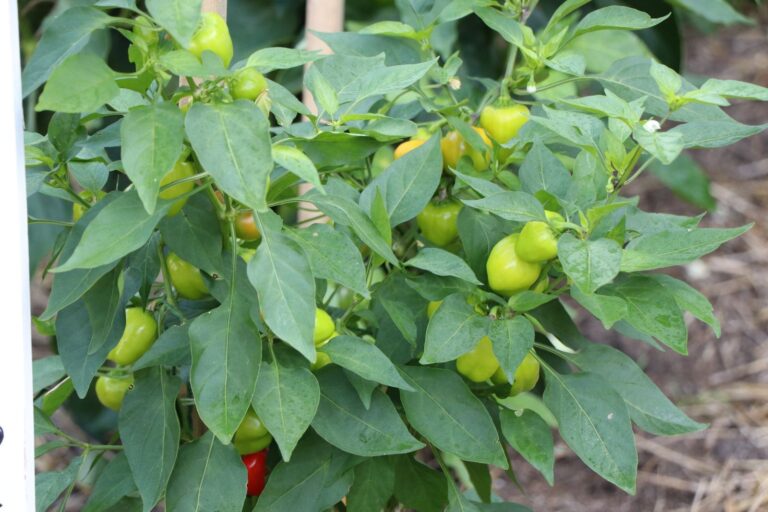
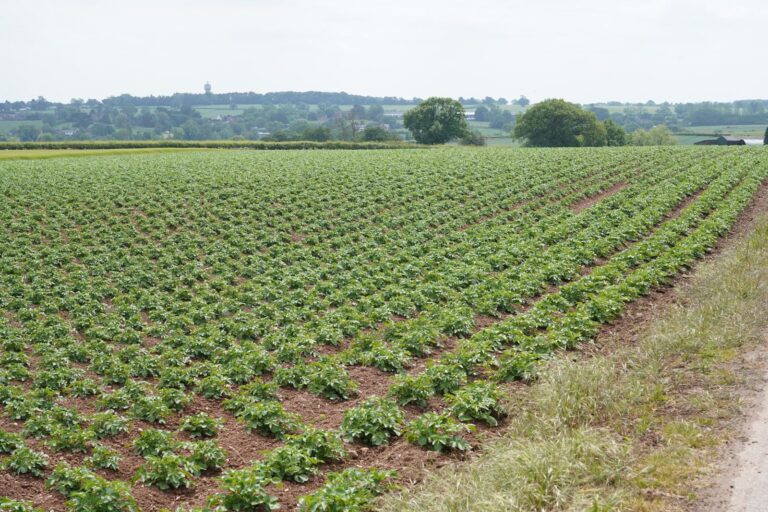
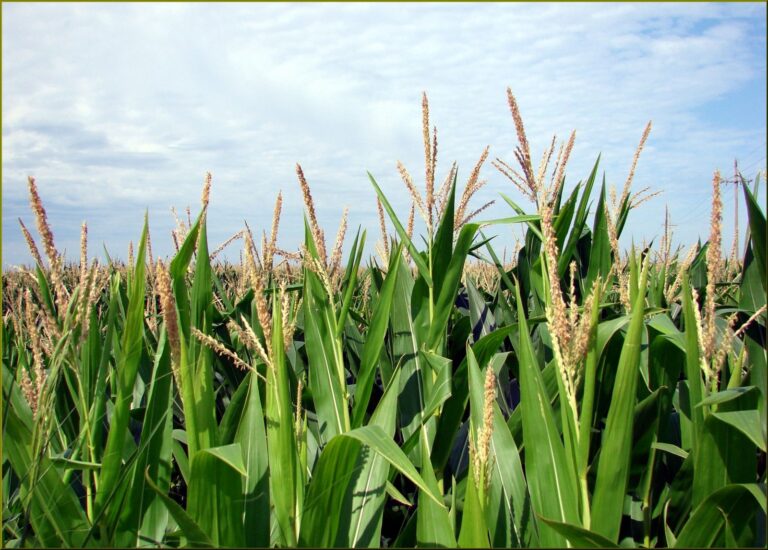
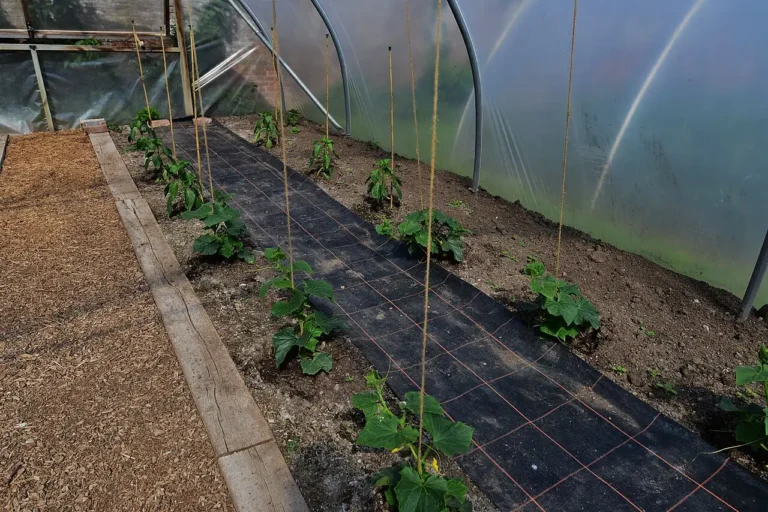
Planting dates for each crop in Pennsylvania, from the Penn State Extension calendar.




Pennsylvania lawn care: questions
When should I plant grass seed in Pennsylvania?
Penn State Extension says to seed tall fescue from late August to early September.
When do you fertilize a lawn in Pennsylvania?
Kentucky bluegrass (Pennsylvania (statewide)): mid March to mid April. March 15 to April 15: 0.5 to 0.75 lb nitrogen (20% or more as WIN or a coated-nitrogen source*). Application may not needed if a late fall application of 1.0 lb nitrogen was applied in previous season Source: Turfgrass Fertilization: A Basic Guide for Professional Turfgrass Managers.
When is the best time to overseed in Pennsylvania?
Overseeding into thin turf or small patches of bare soil can be done in late winter, spring, or early fall. Spring and early fall overseedings can be made following aeration (six to eight passes over the lawn with a core aerator), ...
When do I put down crabgrass preventer in Pennsylvania?
The best time to apply a preemergence herbicide is approximately 10 to 14 days before spring's earliest expected crabgrass germination period. Provided that adequate moisture is present in the soil, crabgrass seeds begin to germinate when ...
What is the best grass for a Pennsylvania lawn?
Penn State Extension describes these grasses for Pennsylvania: cool-season kentucky bluegrass, perennial ryegrass, fine fescue, tall fescue and rough bluegrass; warm-season zoysiagrass. The table above shows where each one is recommended.
Where does this lawn calendar come from?
Lawn Establishment; Lawn Management through the Seasons; Turfgrass Species for Pennsylvania; Lawn and Turfgrass Weeds: Smooth Crabgrass and Large Crabgrass; Turfgrass Fertilization: A Basic Guide for Professional Turfgrass Managers, all from Penn State Extension.

Sources for the Pennsylvania lawn calendar
- Lawn Establishment, Penn State Extension. Revised: Updated: September 19, 2025. Read November 12, 2026.
- Lawn Management through the Seasons, Penn State Extension. Revised: Updated: April 30, 2025. Read November 12, 2026.
- Turfgrass Species for Pennsylvania, Penn State Extension. Revised: Updated: November 10, 2016. Read November 12, 2026.
- Lawn and Turfgrass Weeds: Smooth Crabgrass and Large Crabgrass, Penn State Extension. Revised: Updated: September 10, 2025. Read November 12, 2026.
- Turfgrass Fertilization: A Basic Guide for Professional Turfgrass Managers, Penn State Extension. Revised: Updated: November 10, 2016. Read November 12, 2026.
Where two publications disagree, both rows are shown with their sources. Nothing on this page is estimated; tasks with no published month say "See text".
More for Pennsylvania: frost dates, what to plant now, planting calendar, planting zone map and the soil testing guide with the state soil lab.
Photos: Freshly seeded front lawn turning green beside bare soil and a garden hose: HA1256, CC BY-SA 4.0, via Wikimedia Commons; Pine Creek valley from the Bob Webber Trail in the Wolf Run Wild Area, Tiadaghton State Forest: Nicholas A. Tonelli, CC BY 2.0, via Flickr; Autumn mountainside and green valley floor seen from the dam at Sinnemahoning State Park: Nicholas A. Tonelli, CC BY 2.0, via Flickr; Pile of ripe tomatoes: Jubair Bin Iqbal, CC BY-SA 4.0, via Wikimedia Commons; Pepper plant in a kitchen garden loaded with green, yellow and red peppers: NPS, Public domain, via Wikimedia Commons; Long neat rows of green potato plants stretching across a farm field: Malcolm Neal, CC BY-SA 2.0, via Wikimedia Commons; Tall corn plants with golden tassels against a summer sky in a field: inkknife_2000, CC BY-SA 2.0, via Wikimedia Commons; Clusters of long green bean pods hanging from a climbing bean vine: Nirajan_pant, CC BY-SA 3.0, via Wikimedia Commons; Cucumber plants growing in a greenhouse bed: HARTLEPOOLMARINA2014, CC BY-SA 4.0, via Wikimedia Commons; Harvested zucchini and summer squash: nociveglia from Appennino Emiliano, Italy, CC BY 2.0, via Wikimedia Commons; Leaf lettuce growing in a garden: GT1976, CC BY-SA 4.0, via Wikimedia Commons.