Home › Pennsylvania › Invasive plants › Purple Loosestrife
Pennsylvania
Is purple loosestrife banned in Pennsylvania?
Yes. Purple loosestrife (Lythrum salicaria) is on the Pennsylvania list “Controlled Plant & Noxious Weeds Lists (Noxious Weeds Lists: Class A, Class B, Class C; Controlled Plant Lists)”, group “Class B Noxious Weed”. Listed plants may not be sold, transported, planted or otherwise propagated in Pennsylvania.
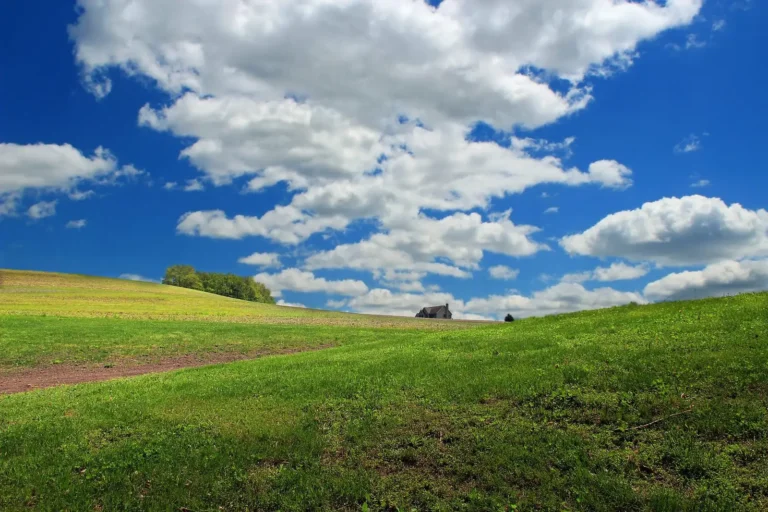
Photo: Rolling hayfields and a farmhouse on the hill in Mount Pleasant Township, Columbia County. Nicholas A. Tonelli, CC BY 2.0, via Flickr
The Pennsylvania listing for purple loosestrife
The official Pennsylvania entry for purple loosestrife and what that list means.
| Plant as printed | Lythrum salicaria (purple loosestrife) |
| List | Controlled Plant & Noxious Weeds Lists (Noxious Weeds Lists: Class A, Class B, Class C; Controlled Plant Lists) |
| Agency | Pennsylvania Department of Agriculture, Bureau of Plant Industry (Controlled Plant and Noxious Weed Committee) |
| Citation | 3 Pa.C.S. Ch. 15 (Controlled Plants and Noxious Weeds, Act of Oct. 30, 2017, P.L. 774, No. 46), §§ 1511, 1519; additions published as notices in the Pennsylvania Bulletin |
| Class | Class B Noxious Weed: Is widely established in Pennsylvania; cannot feasibly be eradicated |
| Printed with the entry | Entry printed: 'Exotic Lythrum species, including Lythrum salicaria L. (commonly known as purple loosestrife), the Lythrum salicaria complex and Lythrum virgatum L. (commonly known as European wand loosestrife), their cultivars and any combination thereof.' |
| What the list means | Noxious weeds 'cannot be sold, transported, planted, or otherwise propagated in Pennsylvania' (PDA). Statute: 'No person may research, market, distribute, transport, cultivate, hold, retail, wholesale, propagate or display a noxious weed or controlled plant without obtaining a permit' (3 Pa.C.S. § 1512(b)); noxious weed permits only for research and education. Additions/removals take effect 60 days after Bulletin publication (§ 1511(b)(3)(iv)). Violations: summary offense for a first offense; civil penalty up to $10,000 (§ 1543). Controlled plants need a PDA permit to be grown. Existing plants on private property are not required to be removed (Penn State Extension). |
Text recorded from the official rule, read November 12, 2026. Scientific names are copied as printed.
Purple loosestrife on other Pennsylvania lists
| List | Type | What it means |
|---|---|---|
| 7 Pa. Code § 110.1 Noxious weed control list | State rule | Historical list still printed in the Pennsylvania Code. Its authorizing statute, the Noxious Weed Control Law (Act of April 7, 1982, P.L. 228, No. 74), 'is repealed' by Act 46 of … |
| 7 Pa. Code § 110.1 Noxious weed control list | State rule | Historical list still printed in the Pennsylvania Code. Its authorizing statute, the Noxious Weed Control Law (Act of April 7, 1982, P.L. 228, No. 74), 'is repealed' by Act 46 of … |
| Prohibited noxious weed seeds (7 Pa. Code § 111.22) and restricted noxious weed seeds (7 Pa. Code § 111.23) | Seed law | Seed labeling/purity law, not a ban on growing the plant. § 111.22: 'It shall be unlawful to sell or offer for sale seeds that contain the following prohibited weed seeds' (no … |
| DCNR Invasive Plant List | Advisory list | Advisory list; it has no legal effect. |
Purple loosestrife in neighboring and other states
| State | Purple Loosestrife banned from sale? | List |
|---|---|---|
| Tennessee | Yes | Tenn. Comp. R. & Regs. 0080-06-24-.02 |
| Georgia | No | Named only on an advisory list |
| North Carolina | Yes | 02 NCAC 48A .1700-.1708, Class B Noxious Weeds |
| Texas | Yes | 4 Tex. Admin. Code §19.300, Noxious plants |
| Pennsylvania | Yes | 3 Pa.C.S. Ch. 15, Class B Noxious Weed |
| Ohio | Yes | Ohio Adm. Code 901:5-30-01 |
States on this site. Each answer comes from that state's official lists; follow the link for the details.
More Pennsylvania banned plant questions
- Bradford (Callery) pear
- Japanese barberry
- Burning bush
- Chinese privet
- European (common) privet
- Amur bush honeysuckle
- Kudzu
- Multiflora rose
- Tree of heaven
- Japanese knotweed
- Japanese stiltgrass
- Oriental bittersweet
- Mile-a-minute vine
- Giant hogweed
- Hydrilla
For every plant Pennsylvania bans, with a filter and the advisory lists, see the Pennsylvania invasive plants page.
Questions about purple loosestrife in Pennsylvania
Is purple loosestrife banned in Pennsylvania?
Yes. Purple loosestrife is on the 3 Pa.C.S. Ch. 15 list in Pennsylvania, and listed plants may not be sold, transported, planted or otherwise propagated in Pennsylvania.
What date applies to the purple loosestrife ban in Pennsylvania?
The entry notes: Entry printed: 'Exotic Lythrum species, including Lythrum salicaria L. (commonly known as purple loosestrife), the Lythrum salicaria complex and Lythrum virgatum L. (commonly known as European wand loosestrife), their cultivars and any combination thereof.'
Who keeps the list that bans purple loosestrife in Pennsylvania?
Pennsylvania Department of Agriculture, Bureau of Plant Industry (Controlled Plant and Noxious Weed Committee), under 3 Pa.C.S. Ch. 15 (Controlled Plants and Noxious Weeds, Act of Oct. 30, 2017, P.L. 774, No. 46), §§ 1511, 1519; additions published as notices in the Pennsylvania Bulletin.
Which species is purple loosestrife?
Pennsylvania lists print it as Lythrum salicaria and Lythrum virgatum.
Do other states ban purple loosestrife?
Tennessee, North Carolina, Texas and Ohio have it on a sale ban list, among the states covered here.
How do I find out if a plant in my yard is purple loosestrife?
Take a sample or photo to the Penn State Extension office in your county. Each Pennsylvania county page on this site lists its office.

Sources
Controlled Plant & Noxious Weeds Lists (Noxious Weeds Lists: Class A, Class B, Class C; Controlled Plant Lists), Pennsylvania Department of Agriculture, Bureau of Plant Industry (Controlled Plant and Noxious Weed Committee). 3 Pa.C.S. Ch. 15 (Controlled Plants and Noxious Weeds, Act of Oct. 30, 2017, P.L. 774, No. 46), §§ 1511, 1519; additions published as notices in the Pennsylvania Bulletin. Read November 12, 2026.
7 Pa. Code § 110.1 Noxious weed control list, Pennsylvania Department of Agriculture (Noxious Weed Control Committee). 7 Pa. Code § 110.1 (adopted under the Noxious Weed Control Law, 3 P.S. §§ 255.1-255.11). Dated: November 18, 2000. Read November 12, 2026.
Prohibited noxious weed seeds (7 Pa. Code § 111.22) and restricted noxious weed seeds (7 Pa. Code § 111.23), Pennsylvania Department of Agriculture. 7 Pa. Code §§ 111.22, 111.23 (Pennsylvania Seed Act of 1965, 3 P.S. §§ 285-1-285-10; now 3 Pa.C.S. Ch. 71). Dated: June 22, 2009. Read November 12, 2026.
DCNR Invasive Plant List, Pennsylvania Department of Conservation and Natural Resources (DCNR). Read November 12, 2026.
Lists change; check the agency page before buying or selling plants. More for Pennsylvania: Pennsylvania gardening, what to plant now and the planting zone map.
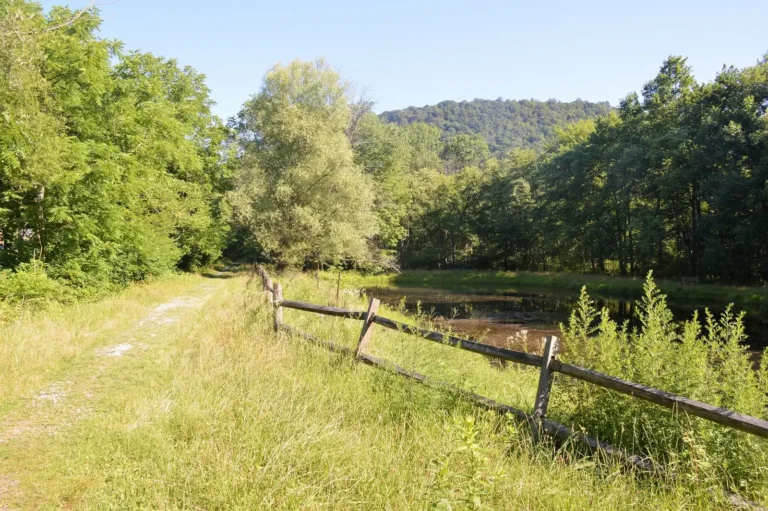
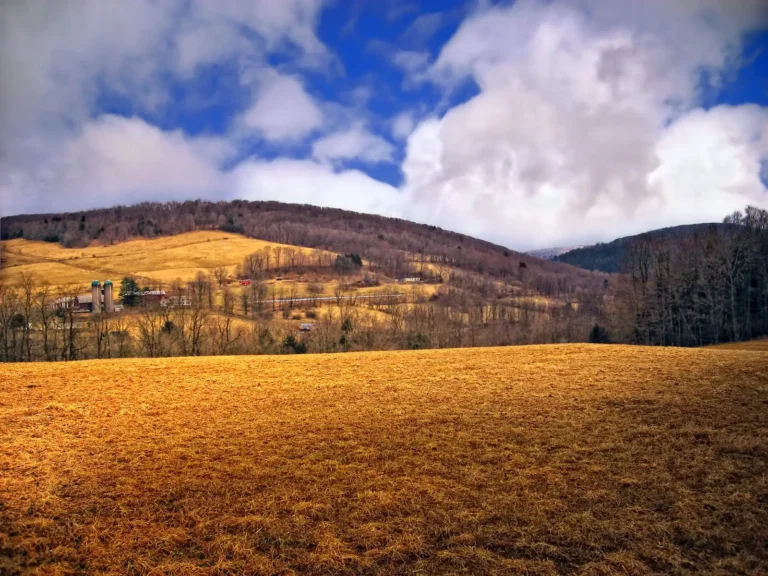
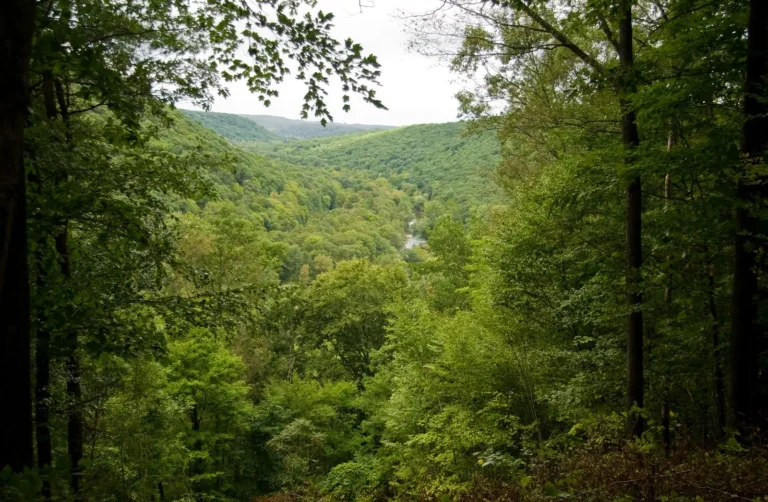
Photos: Rolling hayfields and a farmhouse on the hill in Mount Pleasant Township, Columbia County: Nicholas A. Tonelli, CC BY 2.0, via Flickr; Windswept green meadow under white clouds in Mount Pleasant Township, Columbia County: Nicholas A. Tonelli, CC BY 2.0, via Flickr; Rail fence and meadow below wooded ridges along the Swatara Rail Trail, Swatara State Park: Michael Stokes, CC BY 2.0, via Flickr; Golden hillside field and wooded slope under blue sky at Salt Springs State Park, Susquehanna County: Nicholas A. Tonelli, CC BY 2.0, via Flickr; Oil Creek valley seen through the trees from above in Oil Creek State Park: Jason Pratt, CC BY 2.0, via Flickr.