Home › Arizona › Planting zone
Arizona
Arizona Planting Zone Map
Arizona has USDA plant hardiness zones 5b to 10a on the 2023 USDA map, and the most common zone by county is 8b (5 of 15 counties), then 9a (5).
Updated 26 Nov 2026. Sources: USDA Agricultural Research Service and NOAA NCEI.
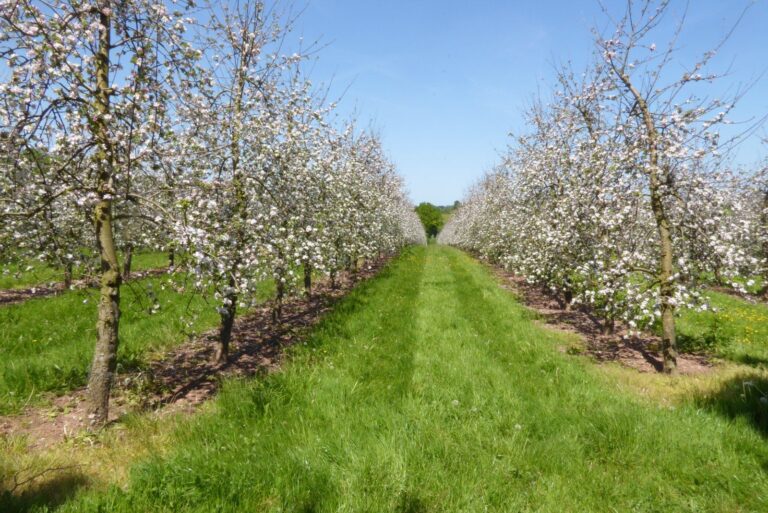
Photo: Rows of apple trees in white blossom along a grassy orchard alley. Philip Halling, CC BY-SA 2.0, via Wikimedia Commons
Your county planting zone
Zones come from the USDA ARS 2023 Plant Hardiness Zone Map, using the zone that covers most of each county's ZIP code area: Maricopa County is zone 9b (25 to 30°F), like 0 other Arizona counties. Frost: NOAA 1991-2020.

Saguaro cactus and desert hills at dusk in Sonoran Desert National Monument
Arizona USDA zone map

Arizona counties by zone
15 of the 15 counties span two or more zones; Coconino County covers 7 (5b, 6a, 6b, 7a, 7b, 8a, 8b), and each county is listed under the zone covering most of its ZIP code area.
Zone for every county
| County | Main zone | Zones in county | Average coldest night | Last frost (50%) |
|---|---|---|---|---|
| Apache | 7a | 6a, 6b, 7a, 7b | 0 to 5°F | May 15 |
| Cochise | 8b | 8a, 8b | 15 to 20°F | Mar 4 |
| Coconino | 7a | 5b, 6a, 6b, 7a, 7b, 8a, 8b | 0 to 5°F | Jun 16 |
| Gila | 9a | 7a, 8a, 8b, 9a, 9b | 20 to 25°F | Jan 17 |
| Graham | 8b | 8a, 8b, 9a | 15 to 20°F | Mar 25 |
| Greenlee | 8a | 8a, 8b | 10 to 15°F | Feb 26 |
| La Paz | 9a | 9a, 9b | 20 to 25°F | Feb 18 |
| Maricopa | 9b | 9a, 9b, 10a | 25 to 30°F | Jan 5 |
| Mohave | 8b | 7a, 7b, 8a, 8b, 9a, 9b, 10a | 15 to 20°F | Feb 18 |
| Navajo | 7a | 6b, 7a, 7b, 8a | 0 to 5°F | Apr 22 |
| Pima | 9a | 8a, 8b, 9a, 9b | 20 to 25°F | Jan 20 |
| Pinal | 9a | 8a, 9a, 9b | 20 to 25°F | Feb 17 |
| Santa Cruz | 8b | 8a, 8b, 9a | 15 to 20°F | Apr 16 |
| Yavapai | 8b | 7a, 7b, 8a, 8b, 9a, 9b | 15 to 20°F | Apr 20 |
| Yuma | 9a | 9a, 9b, 10a | 20 to 25°F | Jan 8 |
Arizona crop planting dates





Arizona zone questions
What zone is Arizona?
Arizona has USDA plant hardiness zones 5b to 10a on the 2023 USDA map, and the most common zone by county is 8b (5 of 15 counties), then 9a (5).
What does a zone mean?
A USDA zone is based on the average coldest winter night from 1991 to 2020, so the 15 Arizona counties here range from -15°F nights in zone 5b to 35°F in zone 10a; each zone is 10°F wide, split into a and b halves of 5°F.
Did zones change in 2023?
Yes: USDA released a new map in November 2023 using 1991 to 2020 data, and this page uses it for all 15 Arizona counties (5 in zone 8b); many places moved half a zone warmer than on the 2012 map.
Does zone set planting dates?
No. In Maricopa County, zone 9b says which perennials survive winter; planting follows the last frost there, Jan 5 in half of years; see Arizona frost dates and the Arizona planting calendar.
How is county zone set?
From the USDA 2023 zone of each ZIP code, joined to Census ZIP code areas; the main zone covers most of a county's ZIP code area, which puts 5 Arizona counties in zone 8b.
Coldest and warmest counties?
Zone 5b reaches Coconino; zone 10a reaches Maricopa, Mohave and Yuma.

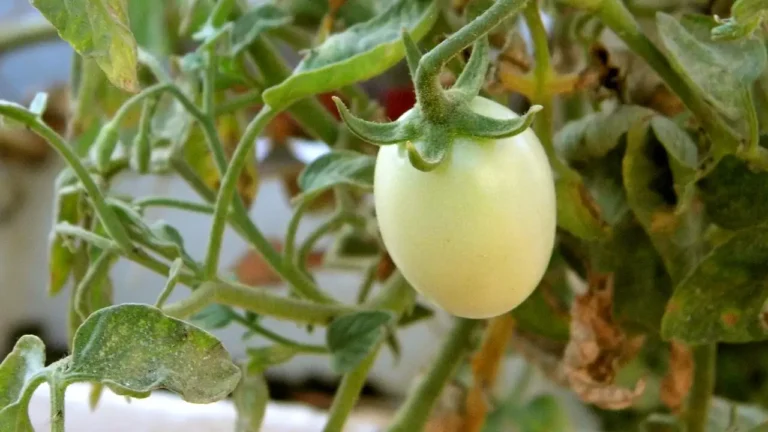
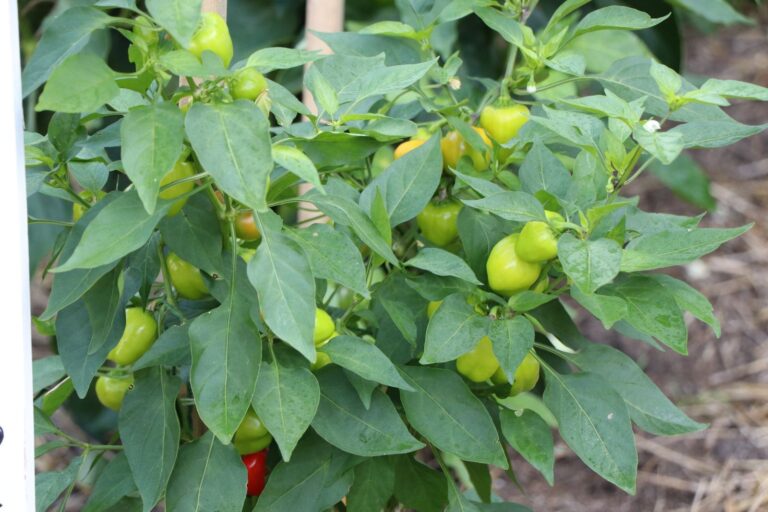
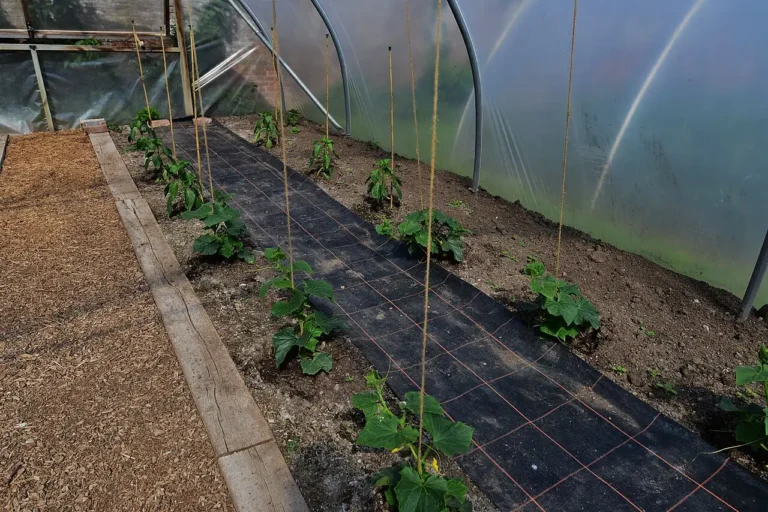
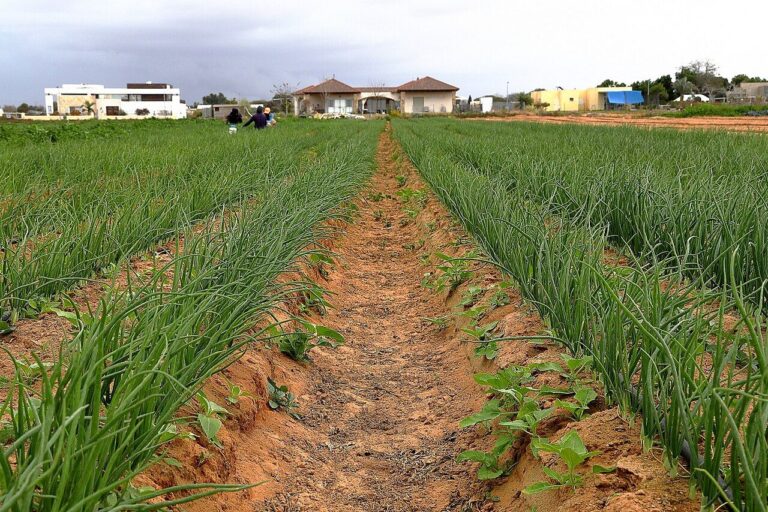
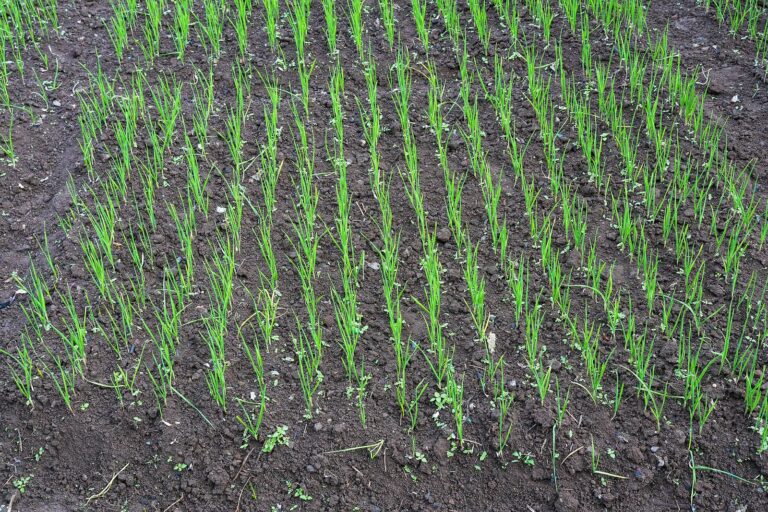
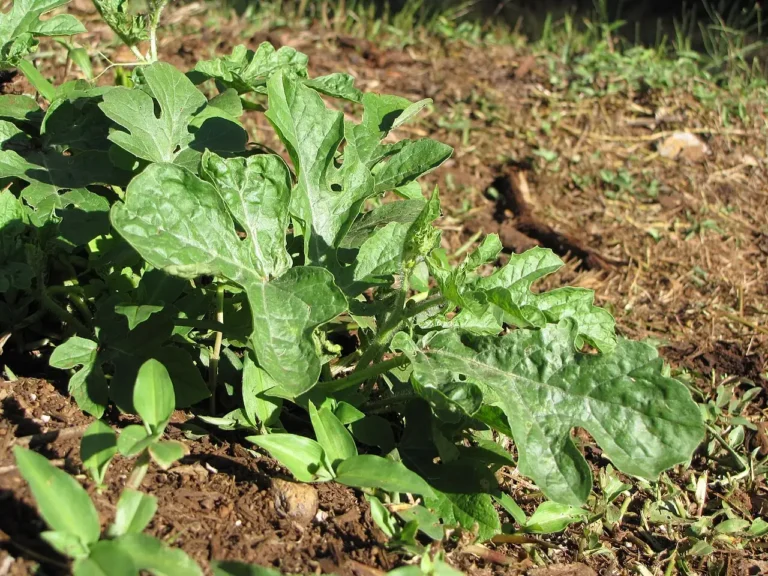
Photos: Rows of apple trees in white blossom along a grassy orchard alley: Philip Halling, CC BY-SA 2.0, via Wikimedia Commons; Furrow-irrigated romaine lettuce rows with siphon tubes and mountains behind, Yuma: Jeff Vanuga, Public domain, via Wikimedia Commons; Saguaro cactus and desert hills at dusk in Sonoran Desert National Monument: Bureau of Land Management (BLM) Arizona, Public domain, via Wikimedia Commons; Unripe green tomato on the plant: Microrao, CC BY-SA 4.0, via Wikimedia Commons; Pepper plant in a kitchen garden loaded with green, yellow and red peppers: NPS, Public domain, via Wikimedia Commons; Potato plants growing in a home garden: Geo Lightspeed7, CC BY-SA 4.0, via Wikimedia Commons; Field of sweet corn in summer: Marathon, CC BY-SA 2.0, via Wikimedia Commons; Clusters of long green bean pods hanging from a climbing bean vine: Nirajan_pant, CC BY-SA 3.0, via Wikimedia Commons; Cucumber plants growing in a greenhouse bed: HARTLEPOOLMARINA2014, CC BY-SA 4.0, via Wikimedia Commons; Zucchini plant with a yellow flower: net_efekt from Oxford, UK, CC BY 2.0, via Wikimedia Commons; Heads of lettuce in a garden bed: Prenn, CC BY-SA 3.0, via Wikimedia Commons; Long rows of green onion plants growing in sandy farm soil: ליזי שאנן, CC BY 2.5, via Wikimedia Commons; Neat rows of young garlic shoots growing in dark tilled soil: Timothy A. Gonsalves, CC BY-SA 4.0, via Wikimedia Commons; Pea plants growing up supports in a garden: Kolforn (Kolforn), CC BY-SA 4.0, via Wikimedia Commons; Young watermelon plant in a garden: Forest and Kim Starr, CC BY 3.0 us, via Wikimedia Commons.