Home › Georgia › Lawn care calendar
Georgia
Georgia Lawn Care Calendar
UGA Cooperative Extension says to seed tall fescue from September to October and to seed bermudagrass from May to June.
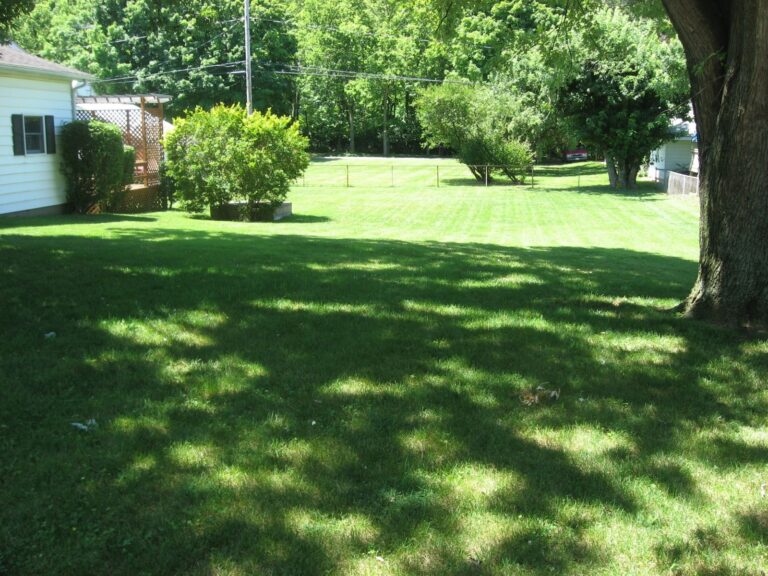
Photo: Shaded green lawn behind a house with shrubs and mature trees on a summer day. Nyttend, Public domain, via Wikimedia Commons
Lawn work for this month in Georgia
January
- Lime: Bermudagrass, Kentucky bluegrass, tall fescue, St. Augustinegrass and zoysiagrass.
- Dethatch: Kentucky bluegrass.
February
- Seed: Fine fescue, Kentucky bluegrass and tall fescue.
- Sod: Kentucky bluegrass and tall fescue.
- Overseed: Kentucky bluegrass and tall fescue.
- Fertilize: Kentucky bluegrass and tall fescue.
- Crabgrass preventer: Bermudagrass, centipedegrass, Kentucky bluegrass, St. Augustinegrass, tall fescue and zoysiagrass.
- Crabgrass preventer (South Georgia): All lawns.
- Lime: Bermudagrass, Kentucky bluegrass, tall fescue, St. Augustinegrass and zoysiagrass.
- Dethatch: Kentucky bluegrass.
March
- Seed: Fine fescue, Kentucky bluegrass and tall fescue.
- Sod: Kentucky bluegrass and tall fescue.
- Overseed: Kentucky bluegrass and tall fescue.
- Fertilize: Kentucky bluegrass and tall fescue.
- Crabgrass preventer: Bermudagrass, centipedegrass, Kentucky bluegrass, St. Augustinegrass, tall fescue and zoysiagrass.
- Crabgrass preventer (North Georgia): All lawns.
- Crabgrass preventer (South Georgia): All lawns.
- Lime: Bermudagrass, Kentucky bluegrass, tall fescue, St. Augustinegrass and zoysiagrass.
- Aerate: Kentucky bluegrass and tall fescue.
- Dethatch: Kentucky bluegrass.
April
- Seed: Bermudagrass and zoysiagrass.
- Sod: Bermudagrass, St. Augustinegrass, centipedegrass, Kentucky bluegrass, tall fescue and zoysiagrass.
- Overseed: Kentucky bluegrass and tall fescue.
- Fertilize: Bermudagrass, Kentucky bluegrass, tall fescue and zoysiagrass.
- Crabgrass preventer: Bermudagrass, centipedegrass, Kentucky bluegrass, St. Augustinegrass, tall fescue and zoysiagrass.
- Lime: Bermudagrass, Kentucky bluegrass, tall fescue, St. Augustinegrass and zoysiagrass.
- Aerate: Bermudagrass, zoysiagrass, Kentucky bluegrass, tall fescue and St. Augustinegrass.
- Dethatch: Kentucky bluegrass.
May
- Seed: Bahiagrass, bermudagrass, centipedegrass and zoysiagrass.
- Sod: Bermudagrass, St. Augustinegrass, centipedegrass and zoysiagrass.
- Sprigs: Bermudagrass, seashore paspalum and zoysiagrass.
- Plugs: Bermudagrass, centipedegrass, St. Augustinegrass and zoysiagrass.
- Fertilize: Bermudagrass, centipedegrass, St. Augustinegrass and zoysiagrass.
- Lime: Bermudagrass, Kentucky bluegrass, tall fescue, St. Augustinegrass and zoysiagrass.
- Aerate: Bermudagrass, zoysiagrass, centipedegrass and St. Augustinegrass.
- Dethatch: Bermudagrass, centipedegrass, St. Augustinegrass and zoysiagrass.
June
- Seed: Bahiagrass, bermudagrass, centipedegrass and zoysiagrass.
- Sod: Bermudagrass, St. Augustinegrass, centipedegrass and zoysiagrass.
- Sprigs: Bermudagrass, seashore paspalum and zoysiagrass.
- Plugs: Bermudagrass, centipedegrass, St. Augustinegrass and zoysiagrass.
- Fertilize: Bermudagrass, centipedegrass, St. Augustinegrass and zoysiagrass.
- Lime: Bermudagrass, Kentucky bluegrass, tall fescue, St. Augustinegrass and zoysiagrass.
- Aerate: Bermudagrass, zoysiagrass, centipedegrass and St. Augustinegrass.
- Dethatch: Bermudagrass, centipedegrass, St. Augustinegrass and zoysiagrass.
July
- Seed: Bermudagrass, centipedegrass and zoysiagrass.
- Sod: Bermudagrass, St. Augustinegrass, centipedegrass and zoysiagrass.
- Sprigs: Seashore paspalum.
- Fertilize: Bermudagrass, centipedegrass, Kentucky bluegrass, St. Augustinegrass and zoysiagrass.
- Lime: Bermudagrass, Kentucky bluegrass, tall fescue, St. Augustinegrass and zoysiagrass.
- Aerate: Bermudagrass, zoysiagrass, centipedegrass and St. Augustinegrass.
- Dethatch: Bermudagrass, centipedegrass, St. Augustinegrass and zoysiagrass.
August
- Seed: Bermudagrass and centipedegrass.
- Sod: Bermudagrass, St. Augustinegrass, centipedegrass and zoysiagrass.
- Sprigs: Seashore paspalum.
- Fertilize: Bermudagrass, centipedegrass, St. Augustinegrass and zoysiagrass.
- Lime: Bermudagrass, Kentucky bluegrass, tall fescue, St. Augustinegrass and zoysiagrass.
- Aerate: Bermudagrass, zoysiagrass, centipedegrass and St. Augustinegrass.
- Dethatch: Bermudagrass, St. Augustinegrass and zoysiagrass.
September
- Seed: Fine fescue, Kentucky bluegrass and tall fescue.
- Sod: Bermudagrass, St. Augustinegrass, Kentucky bluegrass, tall fescue and zoysiagrass.
- Overseed: Bermudagrass, Kentucky bluegrass, perennial ryegrass, annual ryegrass, rough bluegrass and tall fescue.
- Fertilize: Bermudagrass, Kentucky bluegrass, St. Augustinegrass, tall fescue and zoysiagrass.
- Crabgrass preventer (North Georgia): All lawns.
- Lime: Bermudagrass, Kentucky bluegrass, tall fescue, St. Augustinegrass and zoysiagrass.
- Aerate: Bermudagrass, zoysiagrass, Kentucky bluegrass and tall fescue.
October
- Seed: Fine fescue, Kentucky bluegrass and tall fescue.
- Sod: Kentucky bluegrass and tall fescue.
- Overseed: Bermudagrass, Kentucky bluegrass, perennial ryegrass, annual ryegrass, rough bluegrass and tall fescue.
- Fertilize: Kentucky bluegrass and tall fescue.
- Crabgrass preventer (South Georgia): All lawns.
- Lime: Bermudagrass, Kentucky bluegrass, tall fescue, St. Augustinegrass and zoysiagrass.
- Aerate: Kentucky bluegrass and tall fescue.
- Dethatch: Kentucky bluegrass.
November
- Seed: Kentucky bluegrass and tall fescue.
- Sod: Kentucky bluegrass and tall fescue.
- Overseed: Bermudagrass, Kentucky bluegrass, perennial ryegrass, annual ryegrass, rough bluegrass and tall fescue.
- Fertilize: Kentucky bluegrass and tall fescue.
- Lime: Bermudagrass, Kentucky bluegrass, tall fescue, St. Augustinegrass and zoysiagrass.
- Aerate: Kentucky bluegrass and tall fescue.
- Dethatch: Kentucky bluegrass.
December
- Fertilize: Kentucky bluegrass.
- Lime: Bermudagrass, Kentucky bluegrass, tall fescue, St. Augustinegrass and zoysiagrass.
- Dethatch: Kentucky bluegrass.
Only tasks with published months appear here; soil temperature and bloom rules are in the tables below.

Best lawn grasses for Georgia
The extension publications cover 5 cool-season and 5 warm-season grasses for Georgia lawns.
| Grass | Type | Where recommended | What the publication says | Source |
|---|---|---|---|---|
| Annual ryegrass | Cool-season | Statewide | Perennial ryegrass (Lolium perenne), annual ryegrass (Lolium multiflorum), and rough bluegrass (Poa trivialis) are suited as temporary cool-season turfgrasses throughout Georgia. | Bulletin 1533-1, p. 3 |
| Fine fescue | Cool-season | Mountains | Table 1 Region Best Adapted: Mountains | Bulletin 1533-1, p. 1, Table 1 |
| Kentucky bluegrass | Cool-season | Mountains | Although it does not perform as well as tall fescue, it can be used in the mountainous areas of north Georgia. [Table 1 Region Best Adapted: Mountains] | Bulletin 1533-1, p. 3, Table 1 |
| Perennial ryegrass | Cool-season | Statewide | Perennial ryegrass (Lolium perenne), annual ryegrass (Lolium multiflorum), and rough bluegrass (Poa trivialis) are suited as temporary cool-season turfgrasses throughout Georgia. ... Contrary to its name, "perennial" ryegrass is ... | Bulletin 1533-1, p. 3, Table 1 |
| Rough bluegrass | Cool-season | Statewide | Perennial ryegrass (Lolium perenne), annual ryegrass (Lolium multiflorum), and rough bluegrass (Poa trivialis) are suited as temporary cool-season turfgrasses throughout Georgia. [Table 1: Statewide, used as an overseeding ... | Bulletin 1533-1, p. 3, Table 1 |
| Tall fescue | Cool-season | Mountains and Piedmont | Tall fescue is best adapted to Georgia's Piedmont Region and is used for home lawns, general areas, and for soil stabilization. In general, the southern boundary for tall fescue adaptation and growth would be Griffin, Georgia, ... | Bulletin 1533-1, p. 1-2, Table 1 |
| Bahiagrass | Warm-season | Statewide | This species has generally unacceptable qualities for a lawn grass ... In most lawns, bahiagrass is considered a weed. ... It can grow statewide but is well adapted to the sandy soils of mid- to lower Georgia. | Bulletin 1533-1, p. 8 |
| Bermudagrass | Warm-season | Statewide | Bermudagrasses are adapted to the entire state and tolerate a wide soil pH range, but 5.5 to 6.5 is ideal. [Table 2: Common and Hybrid Bermudagrass, Region Best Adapted: Statewide] | Bulletin 1533-1, p. 3, Table 2 |
| Carpetgrass | Warm-season | No region named in this publication | Because it is not cold tolerant, it is predominately found in the central and southern regions of the state. | Bulletin 1533-1, p. 8 |
| Centipedegrass | Warm-season | Statewide, Piedmont and Coastal Plain | For lawns, centipedegrass is best adapted to the middle and lower part of the state but can be grown statewide. The cultivar 'TifBlair' was bred between Tifton and Blairsville for improved cold hardiness and to stretch the ... | Bulletin 1533-1, p. 6, Table 2 |
| Seashore paspalum | Warm-season | No region named in this publication | It is used and best adapted for coastal regions due to its salt tolerance and not recommended for central and north Georgia. ... Due to the intensity of management, seashore paspalum is not recommended for home lawns. | Bulletin 1533-1, p. 8 |
| St. Augustinegrass | Warm-season | Coastal Plain and Piedmont | For lawns, St. Augustinegrass is best adapted to the middle and lower part of the state, but there are many St. Augustinegrass lawns in the Atlanta area. [Table 2 Region Best Adapted: Coastal Plain to Piedmont] | Bulletin 1533-1, p. 7, Table 2 |
| Zoysiagrass | Warm-season | Statewide | For lawns, zoysiagrass is adapted to the entire state, is increasing in popularity and use, forms an excellent turf when properly maintained [Table 2: Statewide] | Bulletin 1533-1, p. 5, Table 2 |
Seeding, sodding and overseeding dates in Georgia
| Task | Grass | Region | When | Published text | Source |
|---|---|---|---|---|---|
| Seed | All lawns | Statewide | See text | Cool-season grasses are best established in the fall four to six weeks before the first killing frost date. The best time to plant warm-season grasses is late spring or early summer, once soil temperature at the 4-inch depth is ... | Bulletin 984, B 984, 'Basic Turfgrass Management for Georgia' (p. 6) |
| Seed | All lawns | Statewide | by mid August | Warm-season grasses should be seeded when the soil temperatures at the 4-inch depth are consistently 65 °F and rising, typically mid- to late-spring. The latest seeding date is variable depending on the location within the state ... | Bulletin 1533-2, p. 4 |
| Seed | Bahiagrass | Statewide | May to June | Table 3. Seeding rates, planting time, and best region for turfgrasses in Georgia. Bahiagrass: Seeding Rate 3 to 8; Ideal Planting Timing: May to June; Region Best Adapted: Piedmont to Coast (3 to 8 pounds/1,000 ft2) | Bulletin 1533-2, B 1533-2 Table 3 (p. 3) |
| Seed | Bermudagrass | Statewide | April to August | Seeding – New Lawn*: Unhulled: 4 – 8 lbs per 1,000 ft². Hulled: 1 – 2 lbs per 1,000 ft². | Bulletin 984, B 984, Bermudagrass Lawn Calendar (p. 7) |
| Seed | Bermudagrass | Statewide | May to June | Table 3. Seeding rates, planting time, and best region for turfgrasses in Georgia. Common Bermudagrass: Seeding Rate 1 to 2 (hulled); 3 to 6 (unhulled); Ideal Planting Timing: May to June; Region Best Adapted: Statewide (1 to 2 ... | Bulletin 1533-2, B 1533-2 Table 3 (p. 3) |
| Seed | Centipedegrass | Statewide | May to August | Seeding – New Lawn*: 0.25 – 1.0 lb per 1,000ft². (0.25 – 1.0 lb per 1,000 ft²) | Bulletin 984, B 984, Centipedegrass Lawn Calendar (p. 8) |
| Seed | Centipedegrass | Statewide | May to June | Table 3. Seeding rates, planting time, and best region for turfgrasses in Georgia. Centipedegrass: Seeding Rate ¼ to 1; Ideal Planting Timing: May to June; Region Best Adapted: Piedmont to Coast (¼ to 1 pounds/1,000 ft2) | Bulletin 1533-2, B 1533-2 Table 3 (p. 3) |
| Seed | Fine fescue | Statewide | late February to March | Table 3: Ideal Planting Timing: September to October, or late February through March (4 to 5 pounds/1,000 ft2) | Bulletin 1533-2, B 1533-2 Table 3 (p. 3) |
| Seed | Fine fescue | Statewide | September to October | Table 3. Seeding rates, planting time, and best region for turfgrasses in Georgia. Fine Fescues: Seeding Rate 4 to 5; Ideal Planting Timing: September to October, or late February through March; Region Best Adapted: Mountains (4 ... | Bulletin 1533-2, B 1533-2 Table 3 (p. 3) |
| Seed | Kentucky bluegrass | Statewide | late February to March | Table 3: Ideal Planting Timing: September to October, or late February through March (1 to 3 pounds/1,000 ft2) | Bulletin 1533-2, B 1533-2 Table 3 (p. 3) |
| Seed | Kentucky bluegrass | Statewide | September to October | Table 3. Seeding rates, planting time, and best region for turfgrasses in Georgia. Kentucky Bluegrass: Seeding Rate 1 to 3; Ideal Planting Timing: September to October, or late February through March; Region Best Adapted: ... | Bulletin 1533-2, B 1533-2 Table 3 (p. 3) |
| Seed | Kentucky bluegrass | Statewide | February to March and September to November | Seeding – New Lawn*: 1 - 2 lbs per 1000 ft2. | Bulletin 984, B 984, Kentucky Bluegrass Lawn Calendar (p. 9) |
| Seed | St. Augustinegrass | Statewide | See text | Seeding – New Lawn: St. Augustinegrass cannot be established from seed. | Bulletin 984, B 984, St. Augustinegrass Lawn Calendar (p. 10) |
| Seed | Tall fescue | Statewide | late February to March | Table 3 Ideal Planting Timing: September to October, or late February through March (5 to 6 pounds/1,000 ft2) | Bulletin 1533-2, p. 3, Table 3 |
| Seed | Tall fescue | Statewide | September to October | For cool-season species, like tall fescue, September and October are the ideal months to seed or sod (Table 3). ... However, if tall fescue is to be seeded after mid-November, it is suggested to wait until mid-February to plant ... | Bulletin 1533-2, p. 3-4, Table 3 |
| Seed | Tall fescue | Statewide | February to March and September to November | Seeding – New Lawn*: 5 - 6 lbs per 1000 ft2. | Bulletin 984, B 984, Turf-Type Tall Fescue Lawn Calendar (p. 11) |
| Seed | Zoysiagrass | Statewide | April to July | Seeding – New Lawn*: 1 – 2 lbs per 1,000ft². (1 – 2 lbs per 1,000 ft²) | Bulletin 984, B 984, Zoysiagrass Lawn Calendar (p. 12) |
| Seed | Zoysiagrass | Statewide | May to June | Table 3. Seeding rates, planting time, and best region for turfgrasses in Georgia. Zoysiagrass: Seeding Rate 1 to 3; Ideal Planting Timing: May to June; Region Best Adapted: Statewide (1 to 3 pounds/1,000 ft2) | Bulletin 1533-2, B 1533-2 Table 3 (p. 3) |
| Sod | Bermudagrass and St. Augustinegrass | Statewide | April to September | Sodding: 500 ft² per pallet typical. | Bulletin 984, B 984, Bermudagrass Lawn Calendar (p. 7) |
| Sod | Centipedegrass | Statewide | April to August | Sodding: 500 ft² per pallet typical. | Bulletin 984, B 984, Centipedegrass Lawn Calendar (p. 8) |
| Sod | Kentucky bluegrass and tall fescue | Statewide | February to April and September to November | Sodding: Sod may not be available in all months of the year. | Bulletin 984, B 984, Kentucky Bluegrass Lawn Calendar (p. 9) |
| Sod | Tall fescue | Statewide | See text | Because tall fescue sod begins with a mature plant, sodding during the winter months is an acceptable establishment option. | Bulletin 1533-2, p. 4 |
| Sod | Zoysiagrass | Statewide | April to September | Sodding: 500 ft² per pallet typical | Bulletin 984, B 984, Zoysiagrass Lawn Calendar (p. 12) |
| Sprigs | Bermudagrass | Statewide | May to June | Table 4. Sprigging rates for warm-season turfgrasses in Georgia. Bermudagrass: Sprigging Rate 5 to 10; Ideal Planting Timing: May to June (5 to 10 bushels/1,000 ft2) | Bulletin 1533-2, B 1533-2 Table 4 (p. 6) |
| Sprigs | Seashore paspalum | Statewide | May to August | Table 4. Sprigging rates for warm-season turfgrasses in Georgia. Seashore Paspalum: Sprigging Rate 5 to 10; Ideal Planting Timing: May to August (5 to 10 bushels/1,000 ft2) | Bulletin 1533-2, B 1533-2 Table 4 (p. 6) |
| Sprigs | Zoysiagrass | Statewide | May to June | Table 4. Sprigging rates for warm-season turfgrasses in Georgia. Zoysiagrass: Sprigging Rate 1 to 3; Ideal Planting Timing: May to June (1 to 3 bushels/1,000 ft2) | Bulletin 1533-2, B 1533-2 Table 4 (p. 6) |
| Plugs | Bermudagrass | Statewide | May to June | Table 5. Two-inch plug spacing and sod required for warm-season turfgrasses in Georgia. Bermudagrass: Spacing 12; Amount of Sod 30 to 50; Common Rate of Establishment: May to June (2-inch plugs spaced 12 inches; 30 to 50 ft2 sod ... | Bulletin 1533-2, B 1533-2 Table 5 (p. 6) |
| Plugs | Centipedegrass | Statewide | May to June | Table 5. Two-inch plug spacing and sod required for warm-season turfgrasses in Georgia. Centipedegrass: Spacing 6; Amount of Sod 100 to 150; Common Rate of Establishment: May to June (2-inch plugs spaced 6 inches; 100 to 150 ft2 ... | Bulletin 1533-2, B 1533-2 Table 5 (p. 6) |
| Plugs | St. Augustinegrass | Statewide | May to June | Table 5. Two-inch plug spacing and sod required for warm-season turfgrasses in Georgia. St. Augustinegrass: Spacing 6 to 12; Amount of Sod 30 to 50; Common Rate of Establishment: May to June (2-inch plugs spaced 6 to 12 inches; ... | Bulletin 1533-2, B 1533-2 Table 5 (p. 6) |
| Plugs | Zoysiagrass | Statewide | May to June | Table 5. Two-inch plug spacing and sod required for warm-season turfgrasses in Georgia. Zoysiagrass: Spacing 6; Amount of Sod 100 to 150; Common Rate of Establishment: May to June (2-inch plugs spaced 6 inches; 100 to 150 ft2 sod ... | Bulletin 1533-2, B 1533-2 Table 5 (p. 6) |
| Overseed | All lawns | Statewide | See text | Warm-season turfgrasses can be overseeded with cool-season grasses (ryegrass or rough bluegrass) to provide year-long green color. This type overseeding is usually done 2 to 4weeks prior to the first fall temperature date of 32 ... | Bulletin 984, B 984, 'Basic Turfgrass Management for Georgia' (p. 6) |
| Overseed | Bermudagrass | Statewide | September to November | Overseeding – Established Lawns*: 5 – 10 lbs ryegrass seed per 1,000 ft². | Bulletin 984, B 984, Bermudagrass Lawn Calendar (p. 7) |
| Overseed | Centipedegrass | Statewide | See text | Overseeding – Established Lawns*: Overseeding centipedegrass with ryegrass is not recommended. | Bulletin 984, B 984, Centipedegrass Lawn Calendar (p. 8) |
| Overseed | Kentucky bluegrass | Statewide | February to April and September to November | Interseeding–Established Lawns*: 1 - 2 lbs seed per 1000 ft2. | Bulletin 984, B 984, Kentucky Bluegrass Lawn Calendar (p. 9) |
| Overseed | Perennial ryegrass and annual ryegrass | Statewide | September to November | Table 3. Seeding rates, planting time, and best region for turfgrasses in Georgia. Annual and Perennial Ryegrass: Seeding Rate 5 to 10; Ideal Planting Timing: September to November; Region Best Adapted: Statewide (5 to 10 ... | Bulletin 1533-2, B 1533-2 Table 3 (p. 3) |
| Overseed | Rough bluegrass | Statewide | September to November | Table 3. Seeding rates, planting time, and best region for turfgrasses in Georgia. Rough Stalk Bluegrass: Seeding Rate 5 to 7; Ideal Planting Timing: September to November; Region Best Adapted: Statewide (5 to 7 pounds/1,000 ft2) | Bulletin 1533-2, B 1533-2 Table 3 (p. 3) |
| Overseed | St. Augustinegrass | Statewide | See text | Overseeding – Established Lawns*: Overseeding with ryegrass in winter is not recommended. | Bulletin 984, B 984, St. Augustinegrass Lawn Calendar (p. 10) |
| Overseed | Tall fescue | Statewide | September to October | The practice of "aerification and seeding" is a common tall fescue lawn practice sold by landscapers in September and October, an optimal time to reseed. (reseed with % stand lost x 6 lb; thin areas 2 to 6 pounds per 1,000 square ... | Bulletin 1533-2, p. 4 |
| Overseed | Tall fescue | Statewide | February to April and September to November | Interseeding–Established Lawns*: 3 - 5 lbs seed per 1000 ft2. | Bulletin 984, B 984, Turf-Type Tall Fescue Lawn Calendar (p. 11) |
| Overseed | Zoysiagrass | Statewide | See text | Overseeding – Established Lawns*: Overseeding zoysiagrass with ryegrass is not recommended. | Bulletin 984, B 984, Zoysiagrass Lawn Calendar (p. 12) |
Georgia lawn fertilizer schedule
| Task | Grass | Region | When | Published text | Source |
|---|---|---|---|---|---|
| Fertilize | All lawns | Statewide | See text | Depend on soil test analysis to determine the best fertilizer grade, rate and time of application. Generally, turfgrasses require ½ - to 1-pound of nitrogen per 1,000 ft2 per month during active growth. | Bulletin 984, B 984, 'Basic Turfgrass Management for Georgia' (p. 6) |
| Fertilize | Bermudagrass | Statewide | April to September | Fertilization: 2 – 5 lbs N/1000 ft2/YR. Follow fertilizer recommendations on soil test report. If the soil was not tested, use any turf fertilizer and follow label rates. In the spring, do not apply nitrogen containing ... | Bulletin 984, B 984, Bermudagrass Lawn Calendar (p. 7) |
| Fertilize | Centipedegrass | Statewide | May to August | Fertilization: 1 – 2 lbs N/1000 ft2/Yr. Follow fertilizer recommendations on soil test report. If the soil was not tested, use any turf fertilizer and follow label rates. In the spring, do not apply nitrogen containing ... | Bulletin 984, B 984, Centipedegrass Lawn Calendar (p. 8) |
| Fertilize | Centipedegrass | Statewide | See text | The yearly nitrogen requirement for centipedegrass is 1 to 2 pounds of nitrogen per 1000 ft2, with the lower end of the range typically being sufficient. Unless a soil report indicates otherwise, phosphorus is generally not ... | Bulletin 1533-1, p. 7 |
| Fertilize | Kentucky bluegrass | Statewide | February to April, July and September to December | Fertilization: 3 – 4 lbs N/1000 ft2/YR. Follow fertilizer recommendations on soil test report. If the soil was not tested, use any turf fertilizer and follow label rates. | Bulletin 984, B 984, Kentucky Bluegrass Lawn Calendar (p. 9) |
| Fertilize | St. Augustinegrass | Statewide | May to September | Fertilization: 2 – 5 lbs N/1000 ft2/YR. Follow fertilizer recommendations on soil test report. If the soil was not tested, use any turf fertilizer and follow label rates. In the spring, do not apply nitrogen containing ... | Bulletin 984, B 984, St. Augustinegrass Lawn Calendar (p. 10) |
| Fertilize | St. Augustinegrass | Statewide | See text | Location within the state can determine the annual nitrogen requirement. The nitrogen rate ranges from 2 to 5 pounds of nitrogen per 1000 ft2 per year. The lower end of the range would be recommended for mid- to northern Georgia ... | Bulletin 1533-1, p. 7 |
| Fertilize | Tall fescue | Statewide | February to April and September to November | Fertilization: 2 – 4 lbs N/1000 ft2/YR. Follow fertilizer recommendations on soil test report. If the soil was not tested, use any turf fertilizer and follow label rates. | Bulletin 984, B 984, Turf-Type Tall Fescue Lawn Calendar (p. 11) |
| Fertilize | Zoysiagrass | Statewide | April to September | Fertilization: 2 – 3 lbs N/1000 ft2/YR. Follow fertilizer recommendations on soil test report. If the soil was not tested, use any turf fertilizer and follow label rates. In the spring, do not apply nitrogen containing ... | Bulletin 984, B 984, Zoysiagrass Lawn Calendar (p. 12) |
| Lime | Bermudagrass, Kentucky bluegrass and tall fescue | Statewide | January to December | Ideal pH Range: 5.5 – 6.5. Use dolomitic lime per soil test recommendation. Can be applied at any time. | Bulletin 984, B 984, Bermudagrass Lawn Calendar (p. 7) |
| Lime | Centipedegrass | Statewide | See text | Ideal pH Range: 5.0 – 6.0. Lime is rarely needed. | Bulletin 984, B 984, Centipedegrass Lawn Calendar (p. 8) |
| Lime | St. Augustinegrass | Statewide | January to December | Ideal pH Range: 5.5 – 6.5. Use dolomitic lime per soil test. Can be applied at any time. | Bulletin 984, B 984, St. Augustinegrass Lawn Calendar (p. 10) |
| Lime | Zoysiagrass | Statewide | January to December | Ideal pH Range: 6.0 – 7.0. Use dolomitic lime per soil test recommendation. Can be applied at any time. | Bulletin 984, B 984, Zoysiagrass Lawn Calendar (p. 12) |
Weed prevention, aeration and mowing in Georgia
| Task | Grass | Region | When | Published text | Source |
|---|---|---|---|---|---|
| Crabgrass preventer | All lawns | South Georgia | mid February to early March | Preemergence herbicides should be applied before weed emergence. Recommended dates of application for crabgrass and other annual grasses are February 15 to March 5 in South Georgia and March 1 to March 20 in North Georgia. These ... | Bulletin 984, B 984, 'Basic Turfgrass Management for Georgia' (p. 6) |
| Crabgrass preventer | All lawns | North Georgia | mid March | Preemergence herbicides should be applied before weed emergence. Recommended dates of application for crabgrass and other annual grasses are February 15 to March 5 in South Georgia and March 1 to March 20 in North Georgia. These ... | Bulletin 984, B 984, 'Basic Turfgrass Management for Georgia' (p. 6) |
| Crabgrass preventer | All lawns | North Georgia | mid September | Recommended dates for annual bluegrass and selected winter annual broadleaf weed control are September 1 to September 15 in North Georgia and October 1 to October 15 in South Georgia. | Bulletin 984, B 984, 'Basic Turfgrass Management for Georgia' (p. 6) |
| Crabgrass preventer | All lawns | South Georgia | mid October | Recommended dates for annual bluegrass and selected winter annual broadleaf weed control are September 1 to September 15 in North Georgia and October 1 to October 15 in South Georgia. | Bulletin 984, B 984, 'Basic Turfgrass Management for Georgia' (p. 6) |
| Crabgrass preventer | Bermudagrass and centipedegrass | Statewide | February to April | Spring preemergence* prevents crabgrass, goosegrass, and other annual weeds. | Bulletin 984, B 984, Bermudagrass Lawn Calendar (p. 7) |
| Crabgrass preventer | Kentucky bluegrass, St. Augustinegrass, tall fescue and zoysiagrass | Statewide | February to April | Spring preemergence* prevents crabgrass, goosegrass, and other summer weeds. | Bulletin 984, B 984, Kentucky Bluegrass Lawn Calendar (p. 9) |
| Mowing height | Bermudagrass | Statewide | April to October | Mowing Height: Common: 1 – 2" Hybrid: 1 – 1½" raise ½" higher in hot weather. Remove no more than ⅓ total height at one time. (Common: 1 – 2"; Hybrid: 1 – 1½"; raise ½" higher in hot weather) | Bulletin 984, B 984, Bermudagrass Lawn Calendar (p. 7) |
| Mowing height | Bermudagrass | Statewide | See text | Table 6. Mowing height for lawn grasses in Georgia. Common Bermudagrass / Hybrid Bermudagrass: Height (inches) Common 1 to 2; Hybrid 1 to 1½; Frequency (days) 5 to 7 (common); 4 to 7 (hybrid) (Common 1 to 2; Hybrid 1 to 1½ ... | Bulletin 1533-2, B 1533-2 Table 6 (p. 6) |
| Mowing height | Bermudagrass | Statewide | See text | The recommend mowing height range for all hybrid bermudagrasses grown as lawns is 1 to 1.5 inches. (1 to 1.5 inches (hybrid)) | Bulletin 1533-1, p. 5 |
| Mowing height | Centipedegrass | Statewide | May to September | Mowing Height: 1" – 2" raise ½" higher in hot weather. This is an important practice for a healthy centipedegrass lawn. (1" – 2"; raise ½" higher in hot weather) | Bulletin 984, B 984, Centipedegrass Lawn Calendar (p. 8) |
| Mowing height | Centipedegrass | Statewide | See text | This includes proper fertilization and maintaining a mowing height of 1 to 11/2 inches. (1 to 1½ inches) | Bulletin 1533-1, p. 7 |
| Mowing height | Centipedegrass | Statewide | See text | Table 6. Mowing height for lawn grasses in Georgia. Centipedegrass: Height (inches) 1 to 2; Frequency (days) 5 to 10 (1 to 2 inches; every 5 to 10 days) | Bulletin 1533-2, B 1533-2 Table 6 (p. 6) |
| Mowing height | Fine fescue | Statewide | See text | Table 6. Mowing height for lawn grasses in Georgia. Fine Fescues: Height (inches) 3 to 4; Frequency (days) 5 to 7 (3 to 4 inches; every 5 to 7 days) | Bulletin 1533-2, B 1533-2 Table 6 (p. 6) |
| Mowing height | Kentucky bluegrass | Statewide | January to December | Mowing Height: 3" – 4" raise ½" higher in hot weather. Remove no more than ⅓ total height at one time. (3" – 4"; raise ½" higher in hot weather) | Bulletin 984, B 984, Kentucky Bluegrass Lawn Calendar (p. 9) |
| Mowing height | Kentucky bluegrass | Statewide | See text | Table 6. Mowing height for lawn grasses in Georgia. Kentucky Bluegrass: Height (inches) 3 to 4; Frequency (days) 5 to 7 (3 to 4 inches; every 5 to 7 days) | Bulletin 1533-2, B 1533-2 Table 6 (p. 6) |
| Mowing height | Perennial ryegrass and annual ryegrass | Statewide | See text | Table 6. Mowing height for lawn grasses in Georgia. Annual and Perennial Ryegrass: Height (inches) 1 to 3; Frequency (days) 4 to 7 (1 to 3 inches; every 4 to 7 days) | Bulletin 1533-2, B 1533-2 Table 6 (p. 6) |
| Mowing height | Rough bluegrass | Statewide | See text | Table 6. Mowing height for lawn grasses in Georgia. Rough Stalk Bluegrass: Height (inches) 1 to 3; Frequency (days) 4 to 7 (1 to 3 inches; every 4 to 7 days) | Bulletin 1533-2, B 1533-2 Table 6 (p. 6) |
| Mowing height | St. Augustinegrass | Statewide | April to September | Mowing Height: 2" – 3" raise ½" higher in hot weather. Remove no more than ⅓ total height at one time. (2" – 3"; raise ½" higher in hot weather) | Bulletin 984, B 984, St. Augustinegrass Lawn Calendar (p. 10) |
| Mowing height | St. Augustinegrass | Statewide | See text | Table 6. Mowing height for lawn grasses in Georgia. St. Augustinegrass: Height (inches) 2 to 3; Frequency (days) 5 to 7 (2 to 3 inches; every 5 to 7 days) | Bulletin 1533-2, B 1533-2 Table 6 (p. 6) |
| Mowing height | Tall fescue | Statewide | January to December | Mowing Height: 2" – 3" raise ½" higher in hot weather. Remove no more than ⅓ total height at one time. (2" – 3"; raise ½" higher in hot weather) | Bulletin 984, B 984, Turf-Type Tall Fescue Lawn Calendar (p. 11) |
| Mowing height | Tall fescue | Statewide | See text | Table 6. Mowing height for lawn grasses in Georgia. Tall Fescue: Height (inches) 2 to 3; Frequency (days) 5 to 7 (2 to 3 inches; every 5 to 7 days) | Bulletin 1533-2, B 1533-2 Table 6 (p. 6) |
| Mowing height | Zoysiagrass | Statewide | April to October | Mowing Height: 1 – 2" raise ½" higher in hot weather. Remove no more than ⅓ total height at one time. (1 – 2"; raise ½" higher in hot weather) | Bulletin 984, B 984, Zoysiagrass Lawn Calendar (p. 12) |
| Mowing height | Zoysiagrass | Statewide | See text | Table 6. Mowing height for lawn grasses in Georgia. Zoysiagrass: Height (inches) 1 to 2; Frequency (days) 4 to 7 (1 to 2 inches; every 4 to 7 days) | Bulletin 1533-2, B 1533-2 Table 6 (p. 6) |
| Aerate | Bermudagrass and zoysiagrass | Statewide | April to September | Aeration: Use a core aerator during active growth season. | Bulletin 984, B 984, Bermudagrass Lawn Calendar (p. 7) |
| Aerate | Centipedegrass | Statewide | May to August | Aeration: Use a core aerator during active growth season. | Bulletin 984, B 984, Centipedegrass Lawn Calendar (p. 8) |
| Aerate | Kentucky bluegrass and tall fescue | Statewide | March to April and September to November | Aeration: Use a core aerator during active growth season. | Bulletin 984, B 984, Kentucky Bluegrass Lawn Calendar (p. 9) |
| Aerate | St. Augustinegrass | Statewide | April to August | Aeration: Use a core aerator during active growth season. | Bulletin 984, B 984, St. Augustinegrass Lawn Calendar (p. 10) |
| Dethatch | Bermudagrass | Statewide | May to August | Dethatch: If thatch exceeds ½", use a vertical mower with blades 1" apart; go over the lawn in two directions. Topdressing with ¼" of soil can be effective. | Bulletin 984, B 984, Bermudagrass Lawn Calendar (p. 7) |
| Dethatch | Centipedegrass | Statewide | May to July | Dethatch: If thatch exceeds 1/2", use a vertical mower with blades 1" apart; go over the lawn in only one direction. Topdressing with ¼" of soil can be effective. | Bulletin 984, B 984, Centipedegrass Lawn Calendar (p. 8) |
| Dethatch | Kentucky bluegrass | Statewide | October to April | Dethatch: If thatch exceeds ½", use a vertical mower with blades 1" apart; go over the lawn in two directions. Topdressing with ¼" of soil can be effective. | Bulletin 984, B 984, Kentucky Bluegrass Lawn Calendar (p. 9) |
| Dethatch | St. Augustinegrass | Statewide | May to August | Dethatch: If thatch exceeds ½" deep use a vertical mower with blades 1" apart; go over the lawn only one direction. Topdressing with ¼" of soil can be effective. | Bulletin 984, B 984, St. Augustinegrass Lawn Calendar (p. 10) |
| Dethatch | Tall fescue | Statewide | See text | Dethatch: Generally not necessary. | Bulletin 984, B 984, Turf-Type Tall Fescue Lawn Calendar (p. 11) |
| Dethatch | Zoysiagrass | Statewide | May to August | Dethatch: If thatch exceeds ½", use a vertical mower with blades 1" apart; go over the lawn two directions. Top dressing with ¼" of soil can be effective. | Bulletin 984, B 984, Zoysiagrass Lawn Calendar (p. 12) |
Regions named in the Georgia lawn guides
- Mountains: Region named in Table 1 'Region Best Adapted' (B 1533-1) and Table 3 (B 1533-2); text refers to 'the mountainous areas of north Georgia'. Not defined by county or map.
- Piedmont: 'Georgia's Piedmont Region' (B 1533-1). Tall fescue text: 'In general, the southern boundary for tall fescue adaptation and growth would be Griffin, Georgia.' Not defined by county or map.
- Coastal Plain: Used in Table 2 'Region Best Adapted' for St. Augustinegrass ('Coastal Plain to Piedmont'); B 1533-2 Table 3 uses 'Piedmont to Coast'. Text also says 'middle and lower part of the state'. Not defined by county or map.
- North Georgia: Used only for herbicide timing in 'Basic Turfgrass Management for Georgia' (B 984): preemergence dates differ for 'North Georgia' and 'South Georgia'. No boundary, county list or map given.
- South Georgia: Used only for herbicide timing in 'Basic Turfgrass Management for Georgia' (B 984). No boundary, county list or map given.
The publications do not list counties for these regions, so this page does not assign counties to them. Use your county's frost dates and planting zone to see where it sits, or ask your county extension office.
When to plant in Georgia: crop by crop
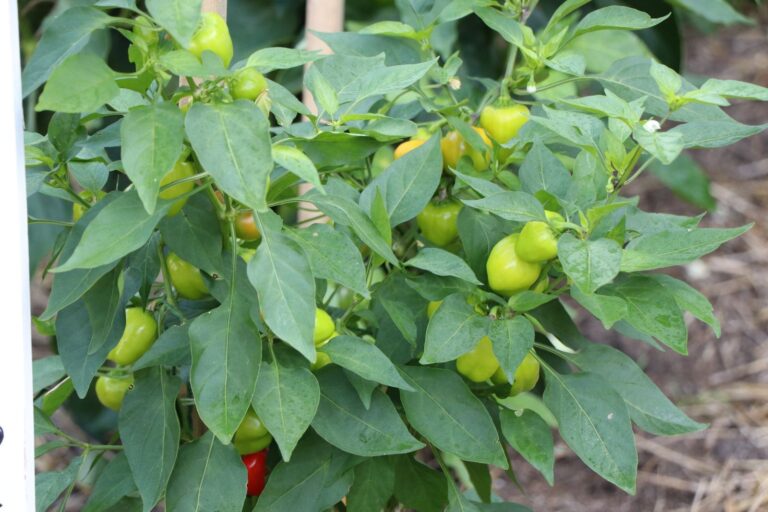
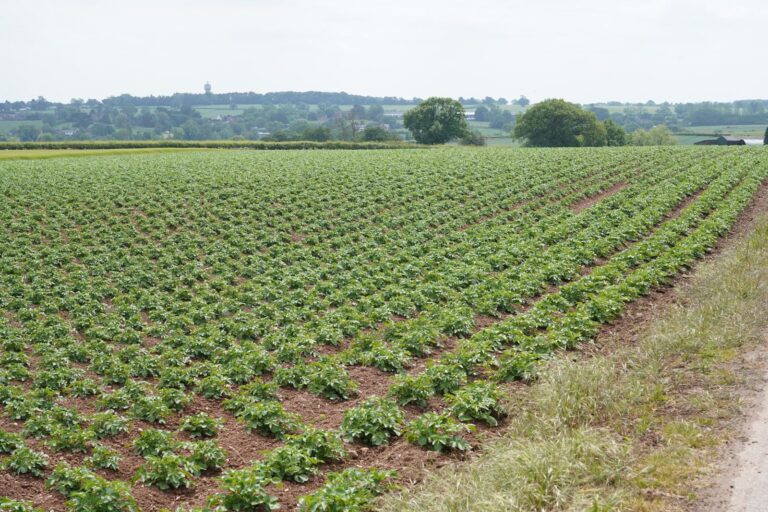
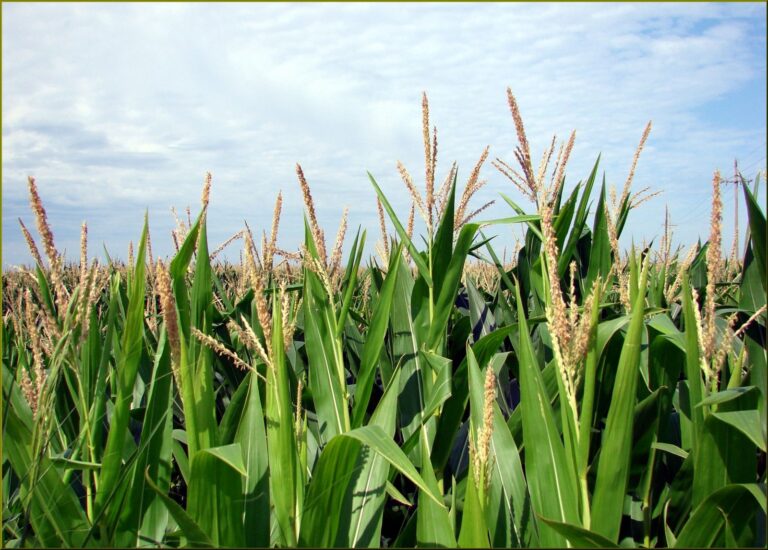
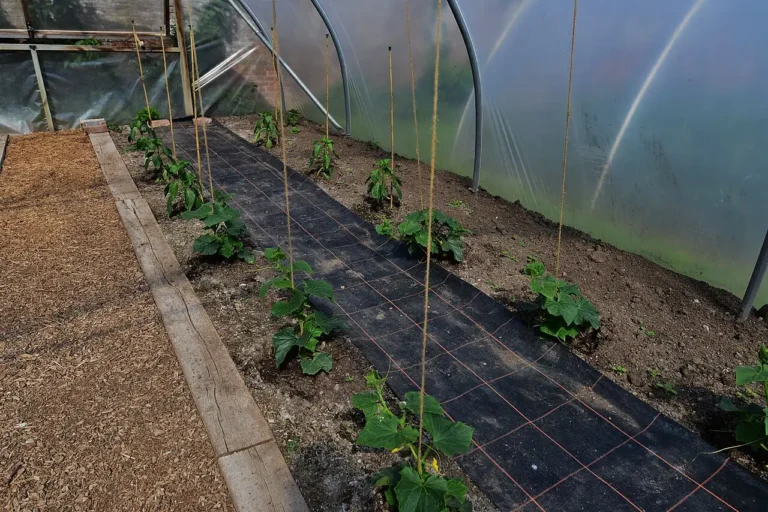
Planting dates for each crop in Georgia, from the UGA Cooperative Extension calendar.



Georgia lawn care: questions
When should I plant grass seed in Georgia?
UGA Cooperative Extension says to seed tall fescue from September to October and to seed bermudagrass from May to June.
When do you fertilize a lawn in Georgia?
Kentucky bluegrass (Statewide): February to April, July and September to December. Fertilization: 3 – 4 lbs N/1000 ft2/YR. Follow fertilizer recommendations on soil test report. If the soil was not tested, use any turf fertilizer and follow label rates. Source: Bulletin 984.
When is the best time to overseed in Georgia?
September to November. Overseeding – Established Lawns*: 5 – 10 lbs ryegrass seed per 1,000 ft².
When do I put down crabgrass preventer in Georgia?
February to April (Statewide). Spring preemergence* prevents crabgrass, goosegrass, and other annual weeds.
What is the best grass for a Georgia lawn?
UGA Cooperative Extension describes these grasses for Georgia: cool-season tall fescue, fine fescue, kentucky bluegrass, perennial ryegrass and rough bluegrass; warm-season bermudagrass, zoysiagrass, centipedegrass, st. augustinegrass and bahiagrass. The table above shows where each one is recommended.
Where does this lawn calendar come from?
Bulletin 984 2024 Turfgrass Pest Control Recommendations for Professionals; Bulletin 1533-1 Lawns in Georgia: Selection and Species; Bulletin 1533-2 Lawns in Georgia: Establishment, all from UGA Cooperative Extension.
Sources for the Georgia lawn calendar
- 2024 Turfgrass Pest Control Recommendations for Professionals (Bulletin 984), University of Georgia Cooperative Extension. Printed date: 2024 (lawn calendar pages dated September 2023). Revised: Reviewed October 2024. Read November 12, 2026.
- Lawns in Georgia: Selection and Species (Bulletin 1533-1), University of Georgia Cooperative Extension. Printed date: November 2020. Read November 12, 2026.
- Lawns in Georgia: Establishment (Bulletin 1533-2), University of Georgia Cooperative Extension. Printed date: May 2021. Read November 12, 2026.
Where two publications disagree, both rows are shown with their sources. Nothing on this page is estimated; tasks with no published month say "See text".
More for Georgia: frost dates, what to plant now, planting calendar, planting zone map and the soil testing guide with the state soil lab.
Photos: Shaded green lawn behind a house with shrubs and mature trees on a summer day: Nyttend, Public domain, via Wikimedia Commons; Farm pond and fenced pasture beside State Route 315 in Talbot County: Ken Lund, CC BY-SA 2.0, via Flickr; Evening sky over the wooded Flint River valley at Sprewell Bluff: LittleT889, CC BY-SA 4.0, via Wikimedia Commons; Bare granite outcrop edged with pines and hardwoods at Panola Mountain State Park: Thomson M, CC BY 3.0, via Wikimedia Commons; Young pecan orchard planted in long rows in Peach County seen from above: USDAgov, Public Domain Mark 1.0, via Flickr; Unripe green tomato on the plant: Microrao, CC BY-SA 4.0, via Wikimedia Commons; Pepper plant in a kitchen garden loaded with green, yellow and red peppers: NPS, Public domain, via Wikimedia Commons; Long neat rows of green potato plants stretching across a farm field: Malcolm Neal, CC BY-SA 2.0, via Wikimedia Commons; Tall corn plants with golden tassels against a summer sky in a field: inkknife_2000, CC BY-SA 2.0, via Wikimedia Commons; Clusters of long green bean pods hanging from a climbing bean vine: Nirajan_pant, CC BY-SA 3.0, via Wikimedia Commons; Cucumber plants growing in a greenhouse bed: HARTLEPOOLMARINA2014, CC BY-SA 4.0, via Wikimedia Commons; Zucchini plant with a yellow flower: net_efekt from Oxford, UK, CC BY 2.0, via Wikimedia Commons; Lettuce plants growing in rows: AfroBrazilian, CC BY-SA 3.0, via Wikimedia Commons.