Home › Massachusetts › Planting zone
Massachusetts
Massachusetts Planting Zone Map
Massachusetts has USDA plant hardiness zones 5b to 7b on the 2023 USDA map, and the most common zone by county is 7a (4 of 14 counties), then 6b (3).
Updated 28 Nov 2026. Sources: USDA Agricultural Research Service and NOAA NCEI.
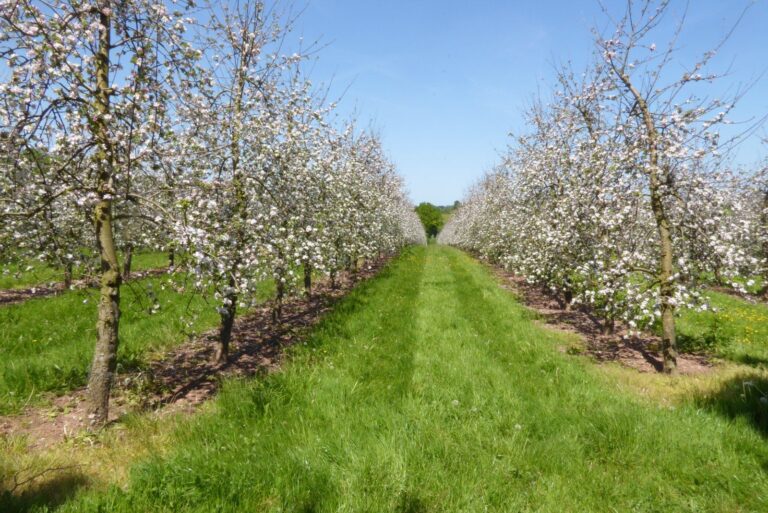
Photo: Rows of apple trees in white blossom along a grassy orchard alley. Philip Halling, CC BY-SA 2.0, via Wikimedia Commons
Your county planting zone
Zones come from the USDA ARS 2023 Plant Hardiness Zone Map, using the zone that covers most of each county's ZIP code area: Middlesex County is zone 6b (-5 to 0°F), like 2 other Massachusetts counties. Frost: NOAA 1991-2020.

Frost crystals forming on a surface in Massachusetts
Massachusetts USDA zone map
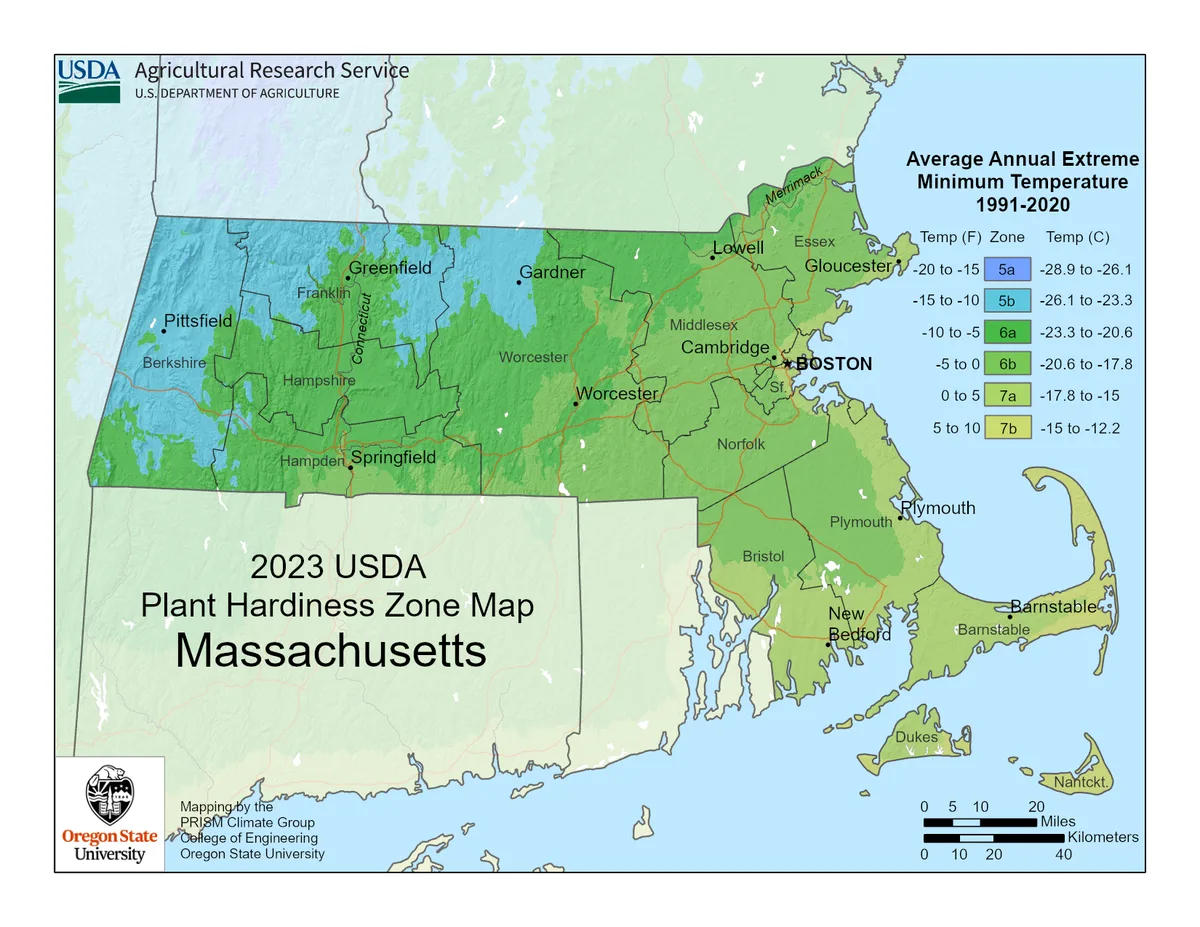
Massachusetts counties by zone
13 of the 14 counties span two or more zones; Essex County covers 3 (6a, 6b, 7a), and each county is listed under the zone covering most of its ZIP code area.
Zone for every county
| County | Main zone | Zones in county | Average coldest night | Last frost (50%) |
|---|---|---|---|---|
| Barnstable | 7a | 7a, 7b | 0 to 5°F | Apr 16 |
| Berkshire | 5b | 5b, 6a | -15 to -10°F | May 5 |
| Bristol | 7a | 6b, 7a | 0 to 5°F | May 2 |
| Dukes | 7b | 7a, 7b | 5 to 10°F | May 7 |
| Essex | 6b | 6a, 6b, 7a | -5 to 0°F | May 3 |
| Franklin | 5b | 5b, 6a | -15 to -10°F | May 1 |
| Hampden | 6a | 6a, 6b | -10 to -5°F | May 3 |
| Hampshire | 6a | 5b, 6a | -10 to -5°F | May 5 |
| Middlesex | 6b | 6a, 6b, 7a | -5 to 0°F | Apr 28 |
| Nantucket | 7b | 7b | 5 to 10°F | Apr 13 |
| Norfolk | 6b | 6b, 7a | -5 to 0°F | Apr 25 |
| Plymouth | 7a | 6b, 7a | 0 to 5°F | May 1 |
| Suffolk | 7a | 6b, 7a | 0 to 5°F | Apr 19 |
| Worcester | 6a | 5b, 6a, 6b | -10 to -5°F | Apr 23 |





Massachusetts zone questions
What zone is Massachusetts?
Massachusetts has USDA plant hardiness zones 5b to 7b on the 2023 USDA map, and the most common zone by county is 7a (4 of 14 counties), then 6b (3).
What does a zone mean?
A USDA zone is based on the average coldest winter night from 1991 to 2020, so the 14 Massachusetts counties here range from -15°F nights in zone 5b to 10°F in zone 7b; each zone is 10°F wide, split into a and b halves of 5°F.
Did zones change in 2023?
Yes: USDA released a new map in November 2023 using 1991 to 2020 data, and this page uses it for all 14 Massachusetts counties (4 in zone 7a); many places moved half a zone warmer than on the 2012 map.
Does zone set planting dates?
No. In Middlesex County, zone 6b says which perennials survive winter; planting follows the last frost there, Apr 28 in half of years; see Massachusetts frost dates and the Massachusetts planting calendar.
How is county zone set?
From the USDA 2023 zone of each ZIP code, joined to Census ZIP code areas; the main zone covers most of a county's ZIP code area, which puts 4 Massachusetts counties in zone 7a.
Coldest and warmest counties?
Zone 5b reaches Berkshire and Franklin; zone 7b reaches Dukes and Nantucket.

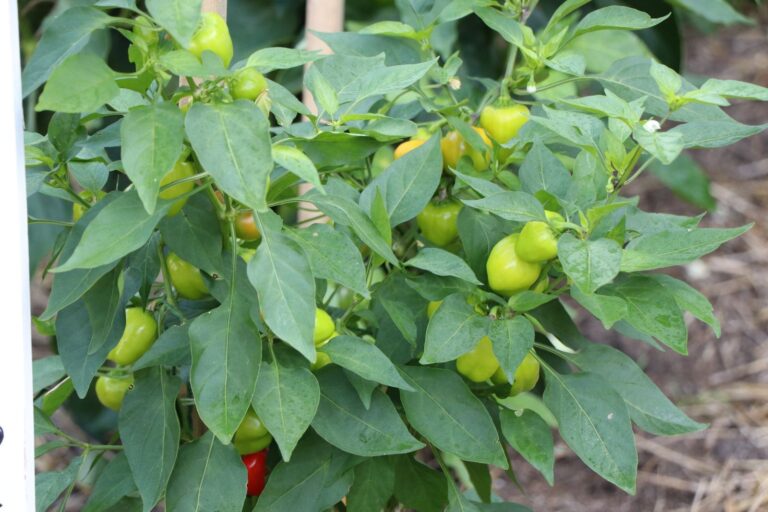
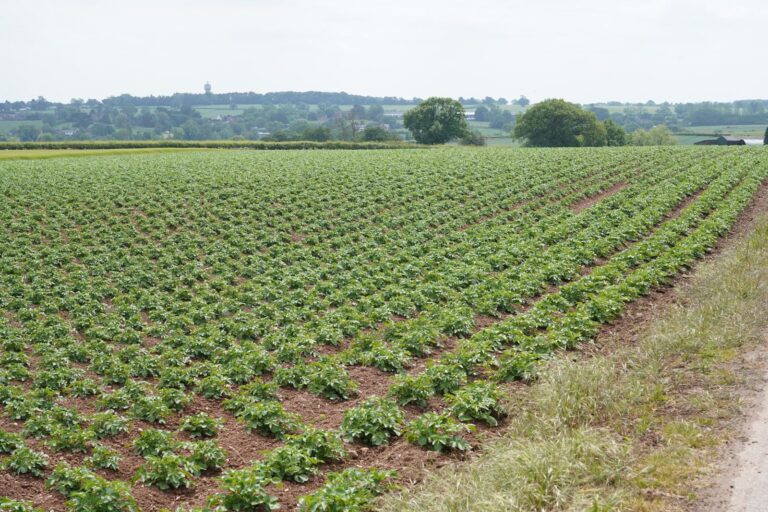
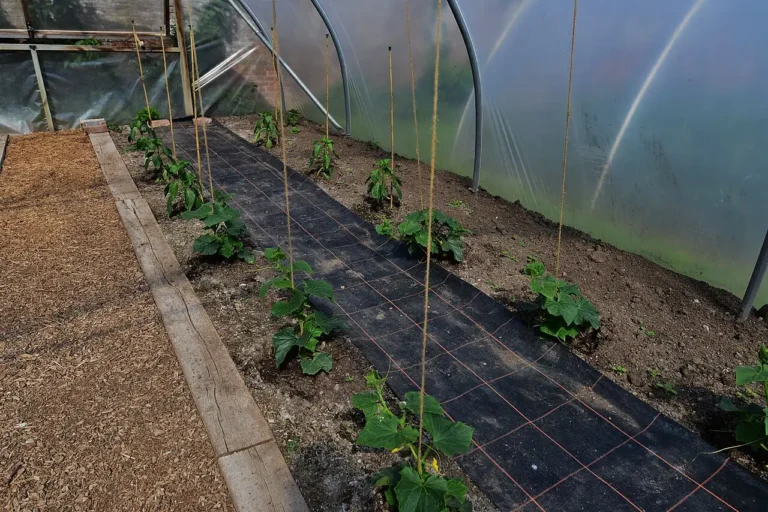
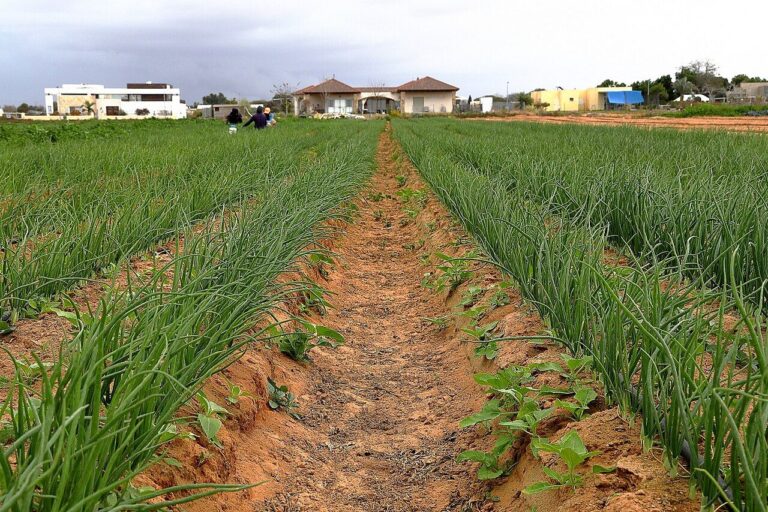
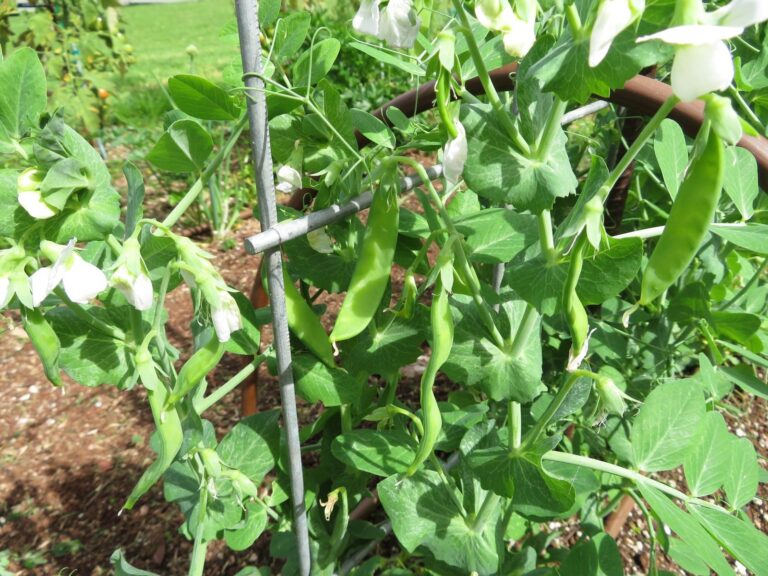
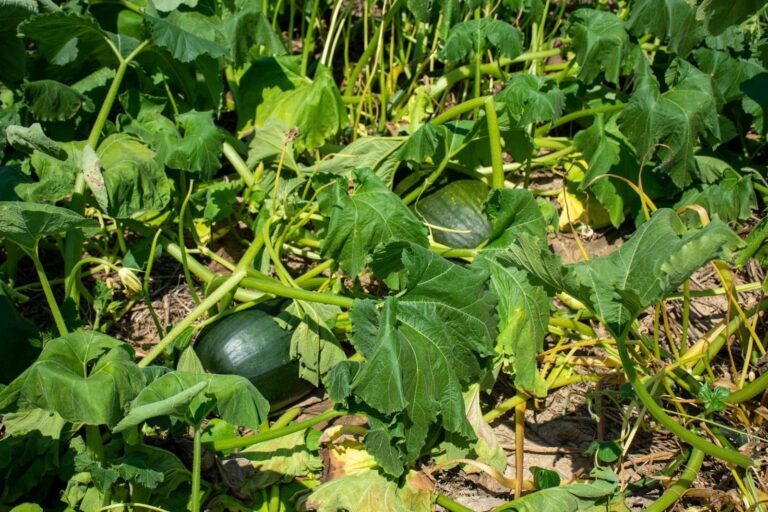
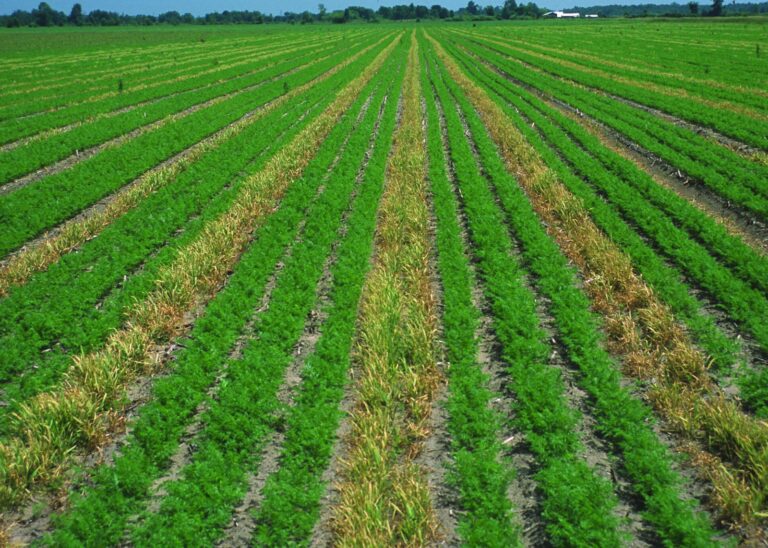
Photos: Rows of apple trees in white blossom along a grassy orchard alley: Philip Halling, CC BY-SA 2.0, via Wikimedia Commons; Farmhouse and snowy yard at Waters Farm in West Sutton: John Phelan, CC BY-SA 3.0, via Wikimedia Commons; Frost crystals forming on a surface in Massachusetts: liz west, CC BY 2.0, via Wikimedia Commons; Staked tomato plant in a straw-mulched kitchen garden with green and ripening red tomatoes: NPS, Public domain, via Wikimedia Commons; Pepper plant in a kitchen garden loaded with green, yellow and red peppers: NPS, Public domain, via Wikimedia Commons; Long neat rows of green potato plants stretching across a farm field: Malcolm Neal, CC BY-SA 2.0, via Wikimedia Commons; Rows of sweet corn in a field: Wee Hong, CC BY-SA 4.0, via Wikimedia Commons; Cucumber plants growing in a greenhouse bed: HARTLEPOOLMARINA2014, CC BY-SA 4.0, via Wikimedia Commons; Harvested zucchini and summer squash: nociveglia from Appennino Emiliano, Italy, CC BY 2.0, via Wikimedia Commons; Lettuce plants growing in rows: AfroBrazilian, CC BY-SA 3.0, via Wikimedia Commons; Long rows of green onion plants growing in sandy farm soil: ליזי שאנן, CC BY 2.5, via Wikimedia Commons; Pea vines on a garden trellis with white flowers and flat green pods: Forest and Kim Starr, CC BY 2.0, via Wikimedia Commons; Green pumpkins growing beneath thick vines and broad leaves in a farm field: USDAgov, Public domain, via Wikimedia Commons; Green broccoli head growing in the center of a leafy plant: Pinakpani, CC BY-SA 4.0, via Wikimedia Commons; Rows of carrots growing between rye windbreak strips in a farm field: Photo by Fred Gasper, USDA Natural Resources Conservation Service, Public domain, via Wikimedia Commons.