
This month's lawn tasks in Texas
January
- Crabgrass preventer: St. Augustinegrass.
February
- Crabgrass preventer: Bermudagrass and St. Augustinegrass.
March
- Fertilize: St. Augustinegrass.
- Crabgrass preventer: Bermudagrass.
April
- Sod: St. Augustinegrass.
- Fertilize: Bermudagrass and St. Augustinegrass.
- Aerate: St. Augustinegrass.
- Dethatch: St. Augustinegrass.
May
- Sod: St. Augustinegrass.
- Fertilize: Bermudagrass and St. Augustinegrass.
- Aerate: St. Augustinegrass.
- Dethatch: St. Augustinegrass.
June
- Sod: St. Augustinegrass.
- Fertilize: Bermudagrass and St. Augustinegrass.
- Aerate: St. Augustinegrass.
- Dethatch: St. Augustinegrass.
July
- Sod: St. Augustinegrass.
- Fertilize: Bermudagrass and St. Augustinegrass.
- Aerate: St. Augustinegrass.
- Dethatch: St. Augustinegrass.
August
- Sod: St. Augustinegrass.
- Fertilize: Bermudagrass and St. Augustinegrass.
- Crabgrass preventer: Bermudagrass.
- Aerate: St. Augustinegrass.
- Dethatch: St. Augustinegrass.
September
- Overseed: Annual ryegrass.
- Fertilize: Bermudagrass and St. Augustinegrass.
- Crabgrass preventer: Bermudagrass and St. Augustinegrass.
October
- Overseed: Annual ryegrass.
- Fertilize: Bermudagrass and St. Augustinegrass.
- Crabgrass preventer: St. Augustinegrass.
November
- Fertilize: St. Augustinegrass.
December
- Fertilize: St. Augustinegrass.
Tasks with a published month are grouped here. Rules tied to soil temperature or bloom time are further down.
Choosing a lawn grass in Texas
For Texas, Texas A&M AgriLife Extension describes 4 cool-season and 6 warm-season lawn grasses.
| Grass | Type | Where recommended | What the publication says | Source |
|---|---|---|---|---|
| Annual ryegrass | Cool-season | Texas (statewide) | Perennial, intermediate and annual ryegrasses are suitable for temporary use in lawns throughout Texas. | L-5519, p.3 |
| Kentucky bluegrass | Cool-season | Panhandle region / High Plains | It is adapted in the Panhandle region of Texas, but requires irrigation. In the more humid areas of Texas, bluegrass is prone to diseases and heat stress and is not recommended as a general lawn grass. | L-5519, p.3 |
| Perennial ryegrass | Cool-season | Panhandle region / High Plains | In the High Plains, perennial ryegrass may be used as a permanent turfgrass if it is watered. | L-5519, p.3 |
| Tall fescue | Cool-season | North Texas | Tall fescue sod is moderately tolerant of drought and shade and its use is limited to North Texas. | L-5519, p.3 |
| Texas bluegrass | Cool-season | Central Texas and North Texas | It is adapted from Central Texas to Southern Oklahoma and is an alternative to tall fescue in North Texas. ... However, neither seed nor sod is readily available yet. | L-5519, p.3 |
| Bermudagrass | Warm-season | Texas (statewide) | Bermudagrass is grown throughout Texas. It is very tolerant of drought and traffic and requires full sunlight. | L-5519, p.1, map |
| Buffalograss | Warm-season | Central Texas and West Texas | Buffalograss is best adapted for areas with annual rainfall of 25 inches or less. When planted in the high-rainfall areas of East Texas, or when watered excessively, buffalograss is easily invaded by weeds and other grasses. ... ... | L-5519, p.2, map |
| Centipedegrass | Warm-season | East Texas | Centipedegrass is best suited as a low-maintenance lawn grass and is best adapted in East Texas. | L-5519, p.2, map |
| Seashore paspalum | Warm-season | South Texas | Because seashore paspalum does not tolerate prolonged low temperatures, it is best adapted to the southern one-third of Texas. | L-5519, p.2, map |
| St. Augustinegrass | Warm-season | Texas (statewide), Southeast Texas and South Texas | It can be grown in most of Texas, although it may be killed by severe winters in the northern one-third of the state. ... It can be grown in Central and West Texas with more supplemental irrigation. It is best adapted in ... | L-5519, p.2, map |
| Zoysiagrass | Warm-season | Texas (statewide) | The area in which zoysiagrass is adapted is similar to that of bermudagrass. | L-5519, p.2, map |
Texas grass seeding dates
| Task | Grass | Region | When | Published text | Source |
|---|---|---|---|---|---|
| Seed | Bermudagrass | Texas (statewide) | See text | It establishes relatively quickly from seed or sprigs ... it can be purchased as seed, sprigs, or sod | ESC-042, p.1 |
| Seed | Tall fescue | North Texas | See text | Tall fescue sod is moderately tolerant of drought and shade and its use is limited to North Texas. | L-5519, p.3 |
| Seed | Zoysiagrass | Texas (statewide) | See text | Warm-season turfgrasses, including zoysiagrass, should be planted late spring or early summer when actively growing (air temperatures between 80 to 95°F) ... late fall sodding or seeding can reduce the establishment success rate. ... | SCSC-PU-279, p.1 |
| Sod | St. Augustinegrass | Texas (statewide) | April to August | The best time to establish warm-season grass is during active growth periods. | HORT-PU-170, calendar, Establishment row |
| Sod | Zoysiagrass | Texas (statewide) | See text | Warm-season turfgrasses, including zoysiagrass, should be planted late spring or early summer when actively growing (air temperatures between 80 to 95°F) ... late fall sodding or seeding can reduce the establishment success rate. ... | SCSC-PU-279, p.1 |
| Sprigs | Zoysiagrass | Texas (statewide) | See text | Warm-season turfgrasses, including zoysiagrass, should be planted late spring or early summer when actively growing (air temperatures between 80 to 95°F) ... late fall sodding or seeding can reduce the establishment success rate. ... | SCSC-PU-279, p.1 |
| Plugs | Zoysiagrass | Texas (statewide) | See text | Warm-season turfgrasses, including zoysiagrass, should be planted late spring or early summer when actively growing (air temperatures between 80 to 95°F) ... late fall sodding or seeding can reduce the establishment success rate. ... | SCSC-PU-279, p.1 |
| Overseed | Annual ryegrass | Texas (statewide) | late September to October | They can be overseeded into bermudagrass in late September and October to provide winter color, or planted on bare ground to prevent erosion until a permanent lawn is established. | L-5519, p.3 |
| Overseed | Perennial ryegrass | Texas (statewide) | See text | The ideal time to overseed is in the fall when the average daily soil temperatures are consistently dropping below 72°F. ... begin to overseed once the bermudagrass has nearly ceased growing—approximately 4 to 6 weeks before the ... | ESC-053, n/a |
Lawn fertilizer timing in Texas
| Task | Grass | Region | When | Published text | Source |
|---|---|---|---|---|---|
| Fertilize | Annual ryegrass | Texas (statewide) | See text | Overseeded lawns should be fertilized once in December and again in February with 1/2 pound of nitrogen per 1,000 square feet, using a nitrogen-only fertilizer such as 21-0-0. (1/2 lb N/1,000 sq ft, twice (December and February), ... | E-242, p.2 |
| Fertilize | Bermudagrass | Texas (statewide) | April to May | Do not make 1st fertilizer application until the lawn is actively growing and has been mowed 2 to 3 times | ESC-042, calendar p.2 |
| Fertilize | Bermudagrass | Texas (statewide) | June to October | Apply 0.5 to 1 lb of N/1,000 ft2 for a total of 1 to 4 applications during the growing season. Space fertilizer applications 4 to 8 weeks apart using a combination of quick and slow-release nitrogen (N). (0.5 to 1 lb N/1,000 ft2 ... | ESC-042, calendar p.2; p.6 |
| Fertilize | Bermudagrass | Texas (statewide) | See text | Table 1. Annual nitrogen recommendations for Texas warm-season lawns based on management level and grass type. ... The amount of nitrogen your lawn needs annually should be split into single applications of 1 pound of nitrogen or ... | E-436, Table 1; points 5, 8 |
| Fertilize | Bermudagrass | Harlingen, McAllen, Corpus Christi (average first autumn frost: No freeze) | by early November | Harlingen, McAllen, Corpus Christi | No freeze | November 1. The final late-season nitrogen application should be applied no later than 6 weeks before the expected autumn frost date. (last N application) | E-436, Table 3 |
| Fertilize | Bermudagrass | College Station, Laredo, Victoria (average first autumn frost December 16) | by early November | College Station, Laredo, Victoria | December 16 | November 1 (last N application) | E-436, Table 3 |
| Fertilize | Bermudagrass | Austin, Houston, San Antonio, Waco (average first autumn frost December 1) | by mid October | Austin, Houston, San Antonio, Waco | December 1 | October 15 (last N application) | E-436, Table 3 |
| Fertilize | Bermudagrass | Abilene, Dallas, El Paso, Lubbock, Midland (average first autumn frost November 16) | by early October | Abilene, Dallas, El Paso, Lubbock, Midland | November 16 | October 1 (last N application) | E-436, Table 3 |
| Fertilize | Bermudagrass | Amarillo (average first autumn frost November 1) | by mid September | Amarillo | November 1 | September 15 (last N application) | E-436, Table 3 |
| Fertilize | Buffalograss | Texas (statewide) | See text | Table 1. Annual nitrogen recommendations for Texas warm-season lawns based on management level and grass type. ... The amount of nitrogen your lawn needs annually should be split into single applications of 1 pound of nitrogen or ... | E-436, Table 1; points 5, 8 |
| Fertilize | Centipedegrass | Texas (statewide) | See text | Table 1. Annual nitrogen recommendations for Texas warm-season lawns based on management level and grass type. ... The amount of nitrogen your lawn needs annually should be split into single applications of 1 pound of nitrogen or ... | E-436, Table 1; points 5, 8 |
| Fertilize | St. Augustinegrass | Texas (statewide) | March to April | Make the first fertilizer application when the lawn is actively growing and has been mowed at least two times. | HORT-PU-170, calendar, Fertilization row |
| Fertilize | St. Augustinegrass | Texas (statewide) | May to October | Apply 0.5 to 1 lb. of nitrogen/1000 ft2 1 to 4 times during the growing season with a combination of quick- and slow-release fertilizer. Do not exceed 4 lbs N/1000 ft2 per year. ... Make the last application of nitrogen 4 to 6 ... | HORT-PU-170, calendar, Fertilization row |
| Fertilize | St. Augustinegrass | Texas (statewide) | November to December | Depending on the part of the state, fertilizer may be continued to be applied. Make the last application of nitrogen 4 to 6 weeks before the first historic frost. | HORT-PU-170, calendar, Fertilization row |
| Fertilize | St. Augustinegrass | Texas (statewide) | See text | Table 1. Annual nitrogen recommendations for Texas warm-season lawns based on management level and grass type. ... The amount of nitrogen your lawn needs annually should be split into single applications of 1 pound of nitrogen or ... | E-436, Table 1; points 5, 8 |
| Fertilize | Zoysiagrass | Texas (statewide) | See text | Table 1. Annual nitrogen recommendations for Texas warm-season lawns based on management level and grass type. ... The amount of nitrogen your lawn needs annually should be split into single applications of 1 pound of nitrogen or ... | E-436, Table 1; points 5, 8 |
| Fertilize | Zoysiagrass | Texas (statewide) | See text | supplemental nitrogen requirements for established zoysiagrass can be met by applying between 1 and 3 pounds (lb) of N per 1,000 feet (ft)2 annually. ... the first fertilizer application be made once the turfgrass has been mowed ... | SCSC-PU-279, p.4 |
Texas crabgrass preventer and mowing heights
| Task | Grass | Region | When | Published text | Source |
|---|---|---|---|---|---|
| Crabgrass preventer | Bermudagrass | Texas (statewide) | February to March | Apply pre-emergence herbicides for crabgrass, goosegrass, and other summer annual weeds. | ESC-042, calendar p.2 |
| Crabgrass preventer | Bermudagrass | Texas (statewide) | mid August to mid September | in lawns with a history of these weeds, certain pre-emergent herbicides listed in Table 1 can be applied from mid-August to mid-September. ... Do not apply a pre-emergent if you are planning to overseed with ryegrass in the fall. ... | ESC-042, p.8 |
| Crabgrass preventer | Bermudagrass | Texas (statewide) | See text | apply preemergent herbicides ... in the spring when the soil temperature reaches 65 ºF ... or when the redbud and dogwood trees begin to bloom. | E-242, p.2 |
| Crabgrass preventer | Bermudagrass | Panhandle region / High Plains | See text | Crabgrass is usually the first summer annual grass to germinate and lawns with a history of crabgrass should be treated with pre-emergence herbicides before this occurs. Germination typically occurs during mid-March in the ... | ESC-042, p.7 |
| Crabgrass preventer | Bermudagrass | North Texas | See text | Germination typically occurs during mid-March in the Panhandle region, early March in North and Central Texas, and mid-February in South Texas. | ESC-042, p.7 |
| Crabgrass preventer | Bermudagrass | Central Texas | See text | Germination typically occurs during mid-March in the Panhandle region, early March in North and Central Texas, and mid-February in South Texas. | ESC-042, p.7 |
| Crabgrass preventer | Bermudagrass | South Texas | See text | Germination typically occurs during mid-March in the Panhandle region, early March in North and Central Texas, and mid-February in South Texas. | ESC-042, p.7 |
| Crabgrass preventer | St. Augustinegrass | Texas (statewide) | January to February | Apply pre-emergence herbicides when soil temperatures reach approximately 55ºF for 4 to 5 consecutive days for the prevention of summer annual weeds (i.e., crabgrass, goosegrass). | HORT-PU-170, calendar, Weed Control row |
| Crabgrass preventer | St. Augustinegrass | Texas (statewide) | September to October | Apply pre-emergence herbicides when soil temperatures reach approximately 70F for 4 to 5 consecutive days for the prevention of select winter annual weeds (i.e., annual bluegrass, henbit, rescuegrass). (fall, winter annual weeds) | HORT-PU-170, calendar, Weed Control row |
| Mowing height | Bermudagrass | Texas (statewide) | March to October | Mow at 1-2" height weekly, or as frequently as required to prevent scalping. ... The recommended mowing height for bermudagrass home lawns is 1 to 2 inches using a rotary mower. (1-2 inches, weekly) | ESC-042, calendar p.2; p.3 |
| Mowing height | Bermudagrass | Texas (statewide) | See text | Table 2 ... Mowing Height (Inches) (1.0 to 2.0 inches) | L-5519, Table 2 |
| Mowing height | Buffalograss and St. Augustinegrass | Texas (statewide) | See text | Table 2 ... Mowing Height (Inches) (2.5 to 3 inches) | L-5519, Table 2 |
| Mowing height | Centipedegrass | Texas (statewide) | See text | Table 2 ... Mowing Height (Inches) (1.5 to 2.0 inches) | L-5519, Table 2 |
| Mowing height | Seashore paspalum | Texas (statewide) | See text | Table 2 ... Mowing Height (Inches) (0.5 to 1.0 inches) | L-5519, Table 2 |
| Mowing height | St. Augustinegrass | Texas (statewide) | March to October | Mow at 2 to 4" weekly, or as frequently as necessary to prevent scalping. Never remove more than 1/3 of the leaf tissue at one time. (2 to 4 inches, weekly) | HORT-PU-170, calendar, Mowing row |
| Mowing height | Zoysiagrass | Texas (statewide) | See text | A mowing height of between 1 and 2.5 inches is generally recommended for a coarse-textured zoysiagrass lawn. Fine-textured zoysiagrasses should be mowed between 1 to 2 inches. (1 to 2.5 inches (coarse-textured); 1 to 2 inches ... | SCSC-PU-279, p.2 |
| Mowing height | Zoysiagrass | Texas (statewide) | See text | Table 2 ... Mowing Height (Inches) (0.5 to 2.0 inches) | L-5519, Table 2 |
| Aerate | Bermudagrass | Texas (statewide) | See text | Aerate if possible to relieve soil compaction, especially in newer lawns with limited organic matter accumulation or in lawns that receive moderate to heavy use. | ESC-042, calendar p.2 |
| Aerate | St. Augustinegrass | Texas (statewide) | April to August | Aerate to relieve soil compaction, especially in new lawns with limited organic matter or in lawns that are moderately or heavily used. | HORT-PU-170, calendar, Aerification row |
| Dethatch | St. Augustinegrass | Texas (statewide) | April to August | Remove problematic thatch using hollow-tine aerification, a vertical mower, or a power rake. Thatch at 0.5 to 1" depth can begin to impede water infiltration and harbor disease and insects. (thatch at 0.5 to 1 inch depth) | HORT-PU-170, calendar, Thatch removal row |
| Dethatch | Zoysiagrass | Texas (statewide) | See text | These practices should be implemented in the spring and early summer months when turfgrass is actively growing and able to recover quickly. | SCSC-PU-279, p.5 |
Regions used in these Texas guides
- North Texas: Named in words only: cool-season grasses 'are primarily adapted in North Texas'; tall fescue 'use is limited to North Texas'. ESC-042 groups 'North and Central Texas' for crabgrass germination. No county list.
- Central Texas: Named in words only ('North and Central Texas' crabgrass germination early March; L-5519 'Central to West Texas' for buffalograss). No county list.
- Panhandle region / High Plains: Named in words only ('Panhandle region' in ESC-042 and L-5519; 'High Plains' in L-5519). No county list.
- South Texas: Named in words only (ESC-042 crabgrass germination 'mid-February in South Texas'; L-5519 'southern one-third of Texas', 'southern Texas and along the Gulf Coast'). No county list.
- East Texas: Named in words only (centipedegrass 'best adapted in East Texas'; 'high-rainfall areas of East Texas'). No county list.
- Southeast Texas: Named in words only (St. Augustinegrass 'best adapted in Southeast Texas'). No county list.
- West Texas: Named in words only ('Central to West Texas'; areas with annual rainfall of 25 inches or less for buffalograss). No county list.
- Harlingen, McAllen, Corpus Christi (average first autumn frost: No freeze): E-436 Table 3 autumn frost zone defined by example cities and Figure 2 map of average first fall frost dates.
- College Station, Laredo, Victoria (average first autumn frost December 16): E-436 Table 3 frost zone by example cities / Figure 2 map.
- Austin, Houston, San Antonio, Waco (average first autumn frost December 1): E-436 Table 3 frost zone by example cities / Figure 2 map.
- Abilene, Dallas, El Paso, Lubbock, Midland (average first autumn frost November 16): E-436 Table 3 frost zone by example cities / Figure 2 map.
- Amarillo (average first autumn frost November 1): E-436 Table 3 frost zone by example city / Figure 2 map.
The publications do not list counties for these regions, so this page does not assign counties to them. Use your county's frost dates and planting zone to see where it sits, or ask your county extension office.
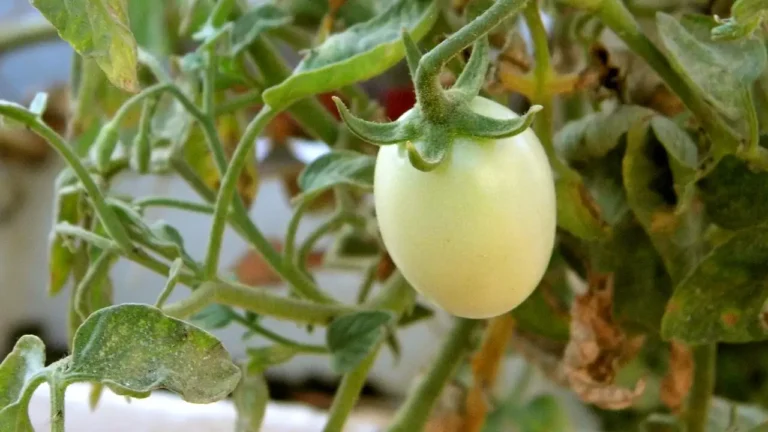
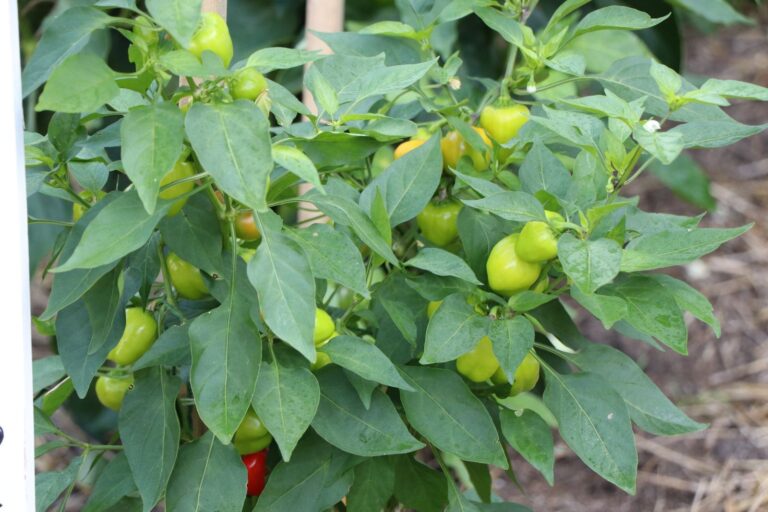
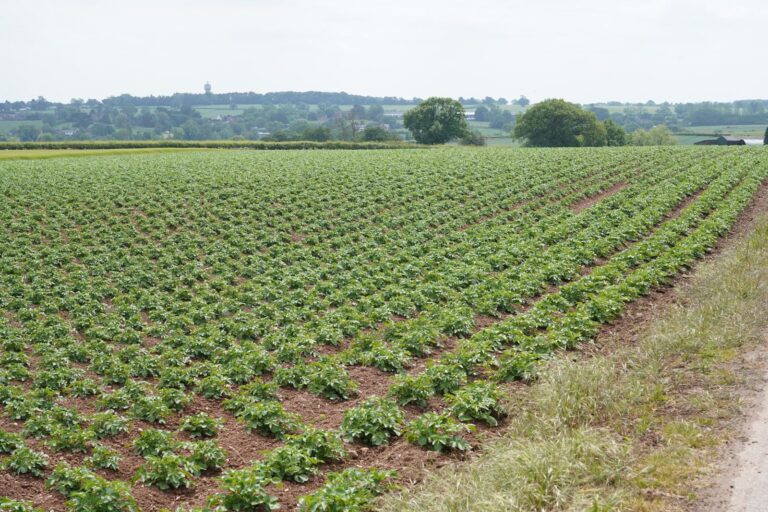
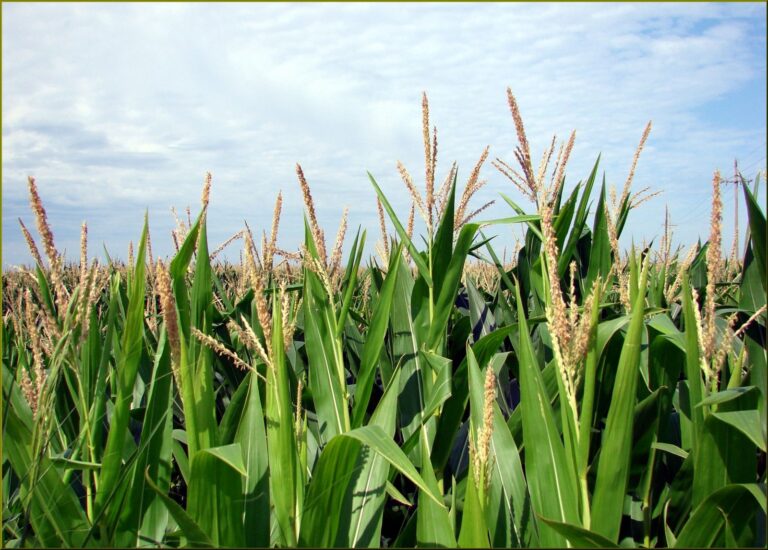
When to plant in Texas: crop by crop
Planting dates for each crop in Texas, from the Texas A&M AgriLife Extension calendar.



Texas lawn care: questions
When should I plant grass seed in Texas?
Texas A&M AgriLife Extension says to lay St. Augustinegrass sod from April to August.
When do you fertilize a lawn in Texas?
St. Augustinegrass (Texas (statewide)): March to April. Make the first fertilizer application when the lawn is actively growing and has been mowed at least two times. Source: HORT-PU-170.
When is the best time to overseed in Texas?
late September to October. They can be overseeded into bermudagrass in late September and October to provide winter color, or planted on bare ground to prevent erosion until a permanent lawn is established.
When do I put down crabgrass preventer in Texas?
January to February (Texas (statewide)). Apply pre-emergence herbicides when soil temperatures reach approximately 55ºF for 4 to 5 consecutive days for the prevention of summer annual weeds (i.e., crabgrass, goosegrass).
What is the best grass for a Texas lawn?
Texas A&M AgriLife Extension describes these grasses for Texas: cool-season tall fescue, kentucky bluegrass, texas bluegrass and perennial ryegrass; warm-season bermudagrass, st. augustinegrass, zoysiagrass, buffalograss, centipedegrass and seashore paspalum. The table above shows where each one is recommended.
Where does this lawn calendar come from?
L-5519 Turfgrass Selection for Texas (Ecological Turf Tips); E-436 Fertilizing Texas Lawns: 10-Point Checklist for Warm-Season Grasses; ESC-042 Bermudagrass Lawn Management Calendar; HORT-PU-170 St. Augustinegrass Home Lawn Maintenance Calendar; SCSC-PU-279 Zoysiagrass Lawn Management Guide; ESC-053 Overseeding bermudagrass (aggieturf fact sheet; title not captured); E-242 Maintaining Bermudagrass Lawns, all from Texas A&M AgriLife Extension.

Sources for the Texas lawn calendar
- Turfgrass Selection for Texas (Ecological Turf Tips) (L-5519), Texas AgriLife Extension Service (Texas A&M AgriLife Extension). Printed date: 6/10. Read November 12, 2026.
- Fertilizing Texas Lawns: 10-Point Checklist for Warm-Season Grasses (E-436), Texas Cooperative Extension (Texas A&M AgriLife Extension). Printed date: 01-07. Read November 12, 2026.
- Bermudagrass Lawn Management Calendar (ESC-042), Texas A&M AgriLife Extension. Printed date: 6/16. Read November 12, 2026.
- St. Augustinegrass Home Lawn Maintenance Calendar (HORT-PU-170), Texas A&M AgriLife Extension. Printed date: 05/22. Read November 12, 2026.
- Zoysiagrass Lawn Management Guide (SCSC-PU-279), Texas A&M AgriLife Extension. Printed date: September 2025. Read November 12, 2026.
- Overseeding bermudagrass (aggieturf fact sheet; title not captured) (ESC-053), Texas A&M AgriLife Extension. Printed date: 05-19. Read November 12, 2026.
- Maintaining Bermudagrass Lawns (E-242), Texas A&M University System (Texas Cooperative Extension). Printed date: 8/06. Read November 12, 2026.
Where two publications disagree, both rows are shown with their sources. Nothing on this page is estimated; tasks with no published month say "See text".
More for Texas: frost dates, what to plant now, planting calendar, planting zone map and the soil testing guide with the state soil lab.
Photos: Freshly seeded front lawn turning green beside bare soil and a garden hose: HA1256, CC BY-SA 4.0, via Wikimedia Commons; Red dolomite ridge above the Canadian River breaks near Lake Meredith: roy.luck, CC BY 2.0, via Flickr; Panhandle prairie stretching to the horizon near Amarillo: gurdonark, CC BY 2.0, via Flickr; Shortgrass prairie and mesquite near Amarillo in the Texas Panhandle: gurdonark, CC BY 2.0, via Flickr; Windmill over a wheat field in Gray County in the Texas Panhandle: Free Public Domain Illustrations by rawpixel, CC BY 2.0, via Flickr; Rolling breaks and shortgrass of the Texas Panhandle: TexasExplorer98, CC BY 2.0, via Flickr; Unripe green tomato on the plant: Microrao, CC BY-SA 4.0, via Wikimedia Commons; Pepper plant in a kitchen garden loaded with green, yellow and red peppers: NPS, Public domain, via Wikimedia Commons; Long neat rows of green potato plants stretching across a farm field: Malcolm Neal, CC BY-SA 2.0, via Wikimedia Commons; Tall corn plants with golden tassels against a summer sky in a field: inkknife_2000, CC BY-SA 2.0, via Wikimedia Commons; Clusters of long green bean pods hanging from a climbing bean vine: Nirajan_pant, CC BY-SA 3.0, via Wikimedia Commons; Cucumber plants growing in a greenhouse bed: HARTLEPOOLMARINA2014, CC BY-SA 4.0, via Wikimedia Commons; Harvested zucchini and summer squash: nociveglia from Appennino Emiliano, Italy, CC BY 2.0, via Wikimedia Commons; Lettuce plants growing in rows: AfroBrazilian, CC BY-SA 3.0, via Wikimedia Commons.